The best museums in Istanbul are mostly located on the European side of the city, particularly in Sultanahmet (Old City), Beyoğlu (Taksim), and along the Bosphorus. However, important cultural stops can also be found on the Asian side.
This list is not a generic compilation. It is shaped by nearly 20 years of on-site experience as a licensed Istanbul tour guide. Each museum included here reflects places that I have visited countless times with travelers and evaluated based on real visitor experience.
You don’t need to absorb this list all at once. It is designed as a reference guide that you can return to while planning your trip or even during your stay in Istanbul. Whether you have one day or several, you can use it to decide what fits your interests best.
The article also reflects the latest visiting conditions as of March 2026, including practical notes where relevant. For more detailed information about individual museums, you can explore the dedicated articles linked throughout the page.
Best Museums in Istanbul (2026)
The list below includes 30 museums across different parts of the city. The numbering is only meant to make the article easier to follow and does not indicate any ranking.
Each museum represents a different layer of Istanbul — from Byzantine churches and Ottoman palaces to modern cultural spaces. You can treat this list as a flexible guide rather than a fixed itinerary.
1. Topkapı Palace
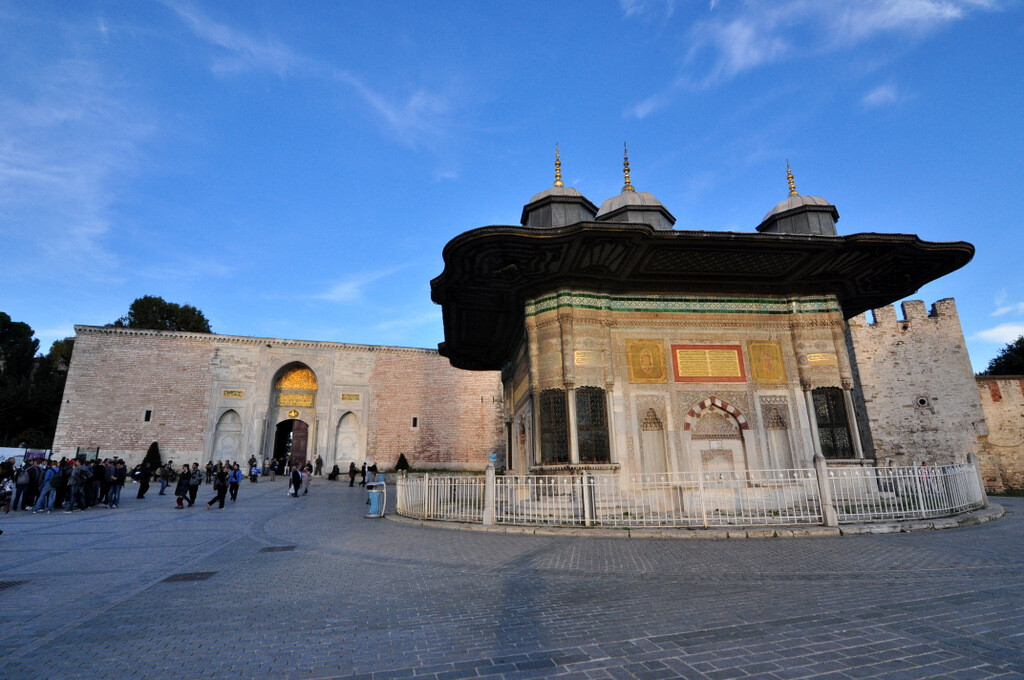
Topkapı Palace stands in the heart of Sultanahmet, where the Ottoman Empire was governed for nearly four centuries. Rather than a single monumental building, it is a vast palace complex organized around four successive courtyards, each revealing a different layer of imperial life.
Most of your visit takes place outdoors as you move between pavilions, gardens, and halls. Key sections include the Imperial Council, the Treasury, the Holy Relics, and the Harem of the Sultan. Within the outer walls, you will also find Hagia Irene, the Istanbul Archaeological Museums, and Gülhane Park, which offers a quiet escape under the trees after your visit.
2. Dolmabahçe Palace
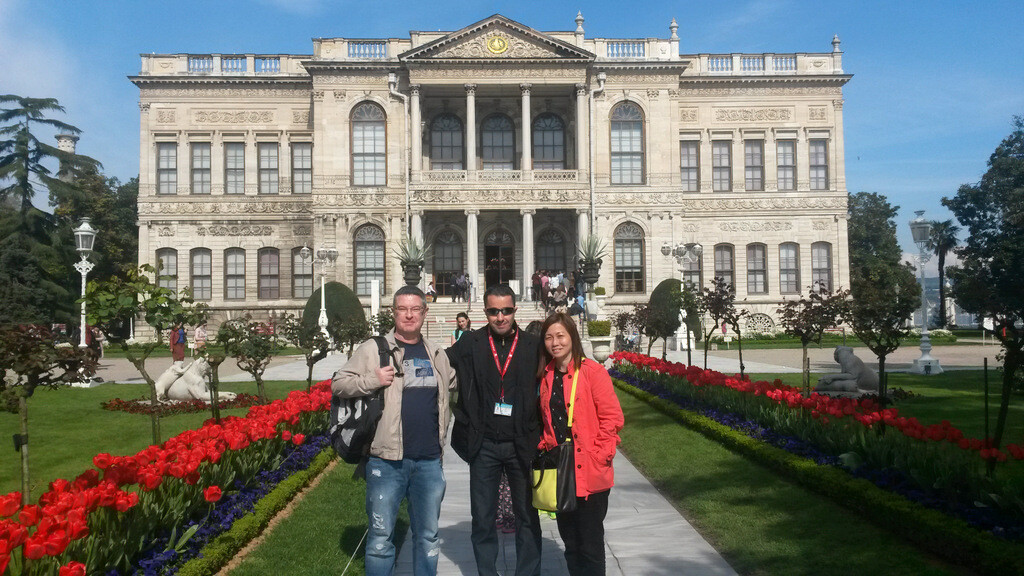
Dolmabahçe Palace reflects a major shift in Ottoman architecture and lifestyle during the 19th century. Built along the Bosphorus, it combines Neo-Classical and Baroque influences, marking a clear departure from the traditional palace design seen in Topkapı Palace.
The palace is known for its grand interiors, filled with crystal chandeliers, European-style furnishings, and richly decorated halls. While photography is not allowed inside, the waterfront gardens and monumental gates provide excellent views and some of the most elegant photo spots in the city.
3. Hagia Irene
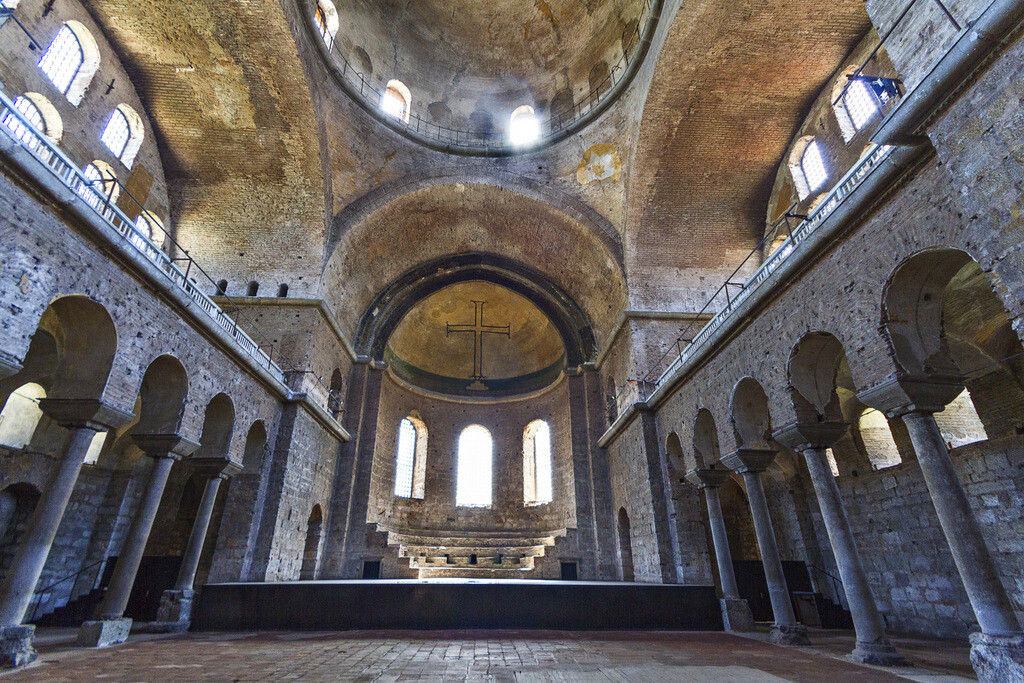
Hagia Irene was once part of the same religious complex as Hagia Sophia in the early Byzantine period. Together, they formed the Megale Ekklesia, or “Great Church,” which was the main ecclesiastical center of Constantinople.
Although it was rebuilt during the reign of Justinian, Hagia Irene remained in the shadow of Hagia Sophia. Its interior is notably plain today, largely due to the Iconoclasm period, when figurative decoration was removed. Located within the first courtyard of Topkapı Palace, the building stands out for its quiet, almost austere atmosphere.
4. Basilica Cistern
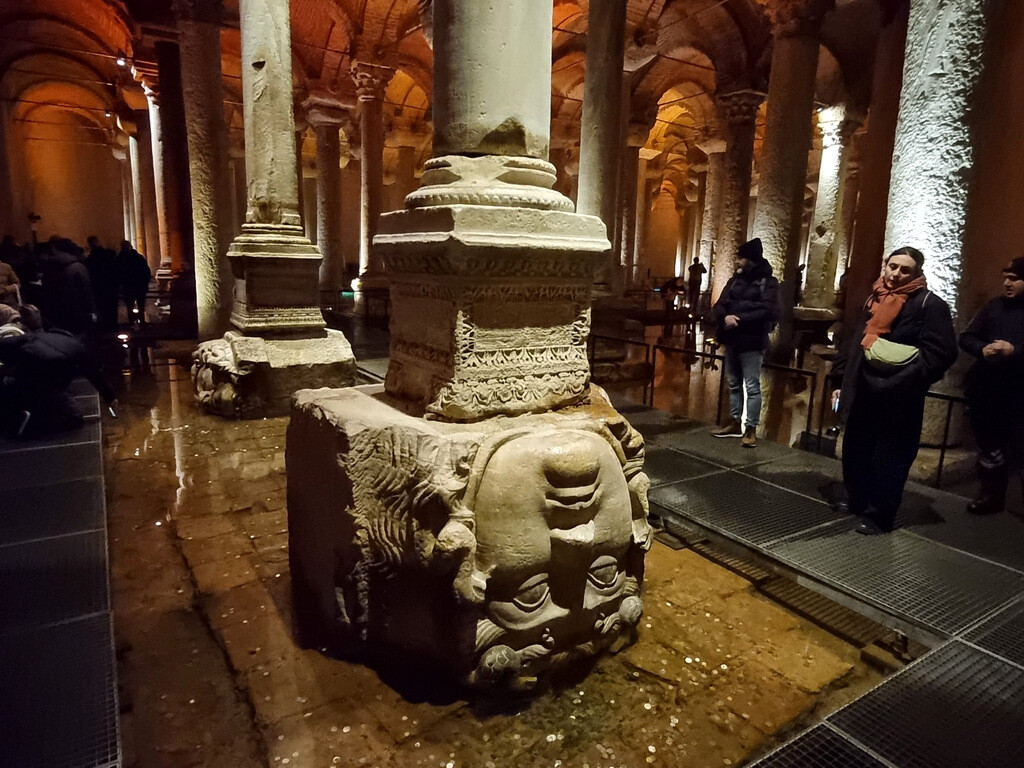
The Basilica Cistern is one of the most atmospheric historical sites in Istanbul. Built in the 6th century as an underground water reservoir, it creates the impression of a vast, submerged hall supported by rows of ancient columns.
The most famous features inside are the two Medusa heads, used as column bases deep within the structure. Their unusual positioning adds to the sense of mystery. The cistern has also appeared in several international films, further contributing to its global recognition. It remains one of the most visited historical sites in the city, although it is not included in the Museum Pass Istanbul.
5. Theodosius Cistern
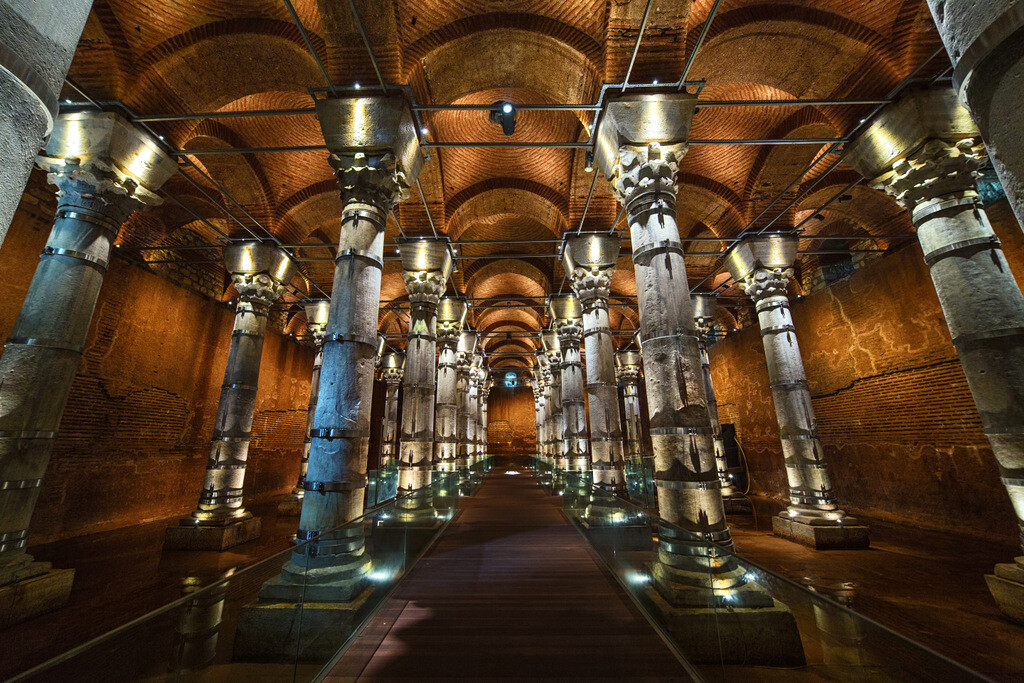
The Theodosius Cistern, known as Şerefiye Sarnıcı in Turkish, is one of the oldest surviving Roman cisterns in Istanbul. It predates the Basilica Cistern and was rediscovered and restored in recent years before being opened as a museum.
Today, the site offers a more contemporary visitor experience through a short light and sound installation. This presentation, shown at regular intervals, reflects different periods of Istanbul’s history, from the Byzantine era to the Ottoman period and into the modern Republic, creating a layered narrative within the ancient structure.
6. Galata Tower

Galata Tower is one of the most recognizable landmarks in Istanbul. Built by the Genoese in the 14th century, it rises above the historic Galata district, which was once a thriving trade colony during the Byzantine and Ottoman periods.
The tower was recently restored and reopened as a museum. Today, the surrounding streets are among the liveliest areas in the city, filled with boutique shops, small galleries, and cafés. The neighborhood itself reflects the layered history of Istanbul, where traces of the Genoese presence can still be felt.
7. Turkish and Islamic Arts Museum
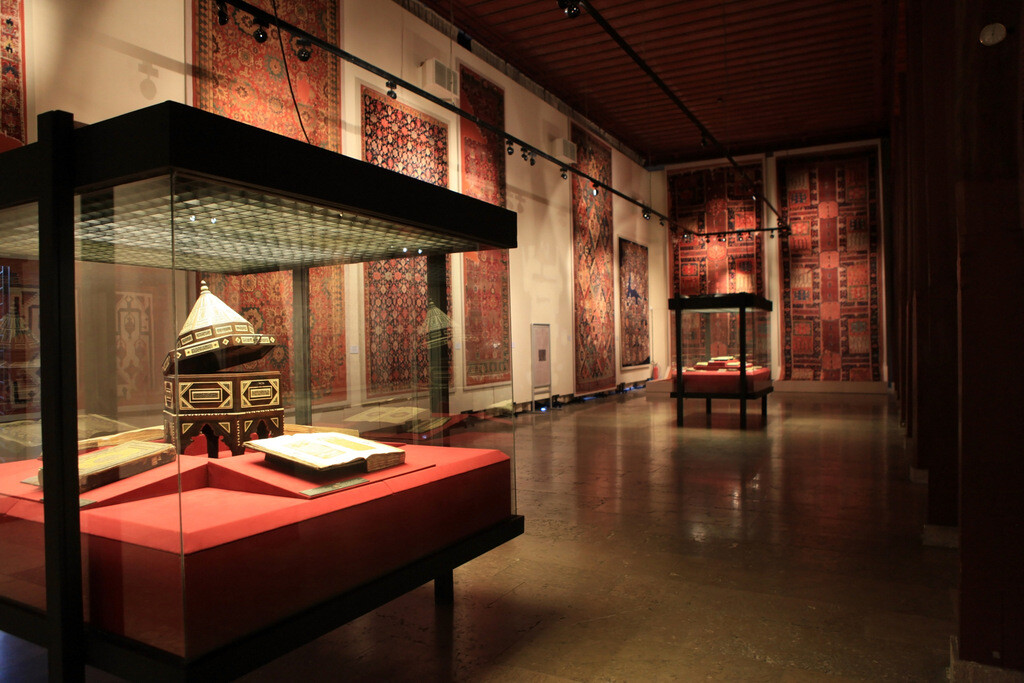
The Turkish and Islamic Arts Museum is housed in the former palace of Ibrahim Pasha, the grand vizier of Süleyman the Magnificent. Located on the Hippodrome, this 16th-century building offers a different perspective compared to the grand imperial palaces.
The museum’s collection focuses on Islamic art and Turkish cultural heritage. Highlights include rare manuscripts, historical Qurans, and one of the most important carpet collections in the world, featuring pieces from the Seljuk and Ottoman periods. It is an especially meaningful stop for those interested in traditional arts and craftsmanship.
8. Istanbul Archaeological Museum
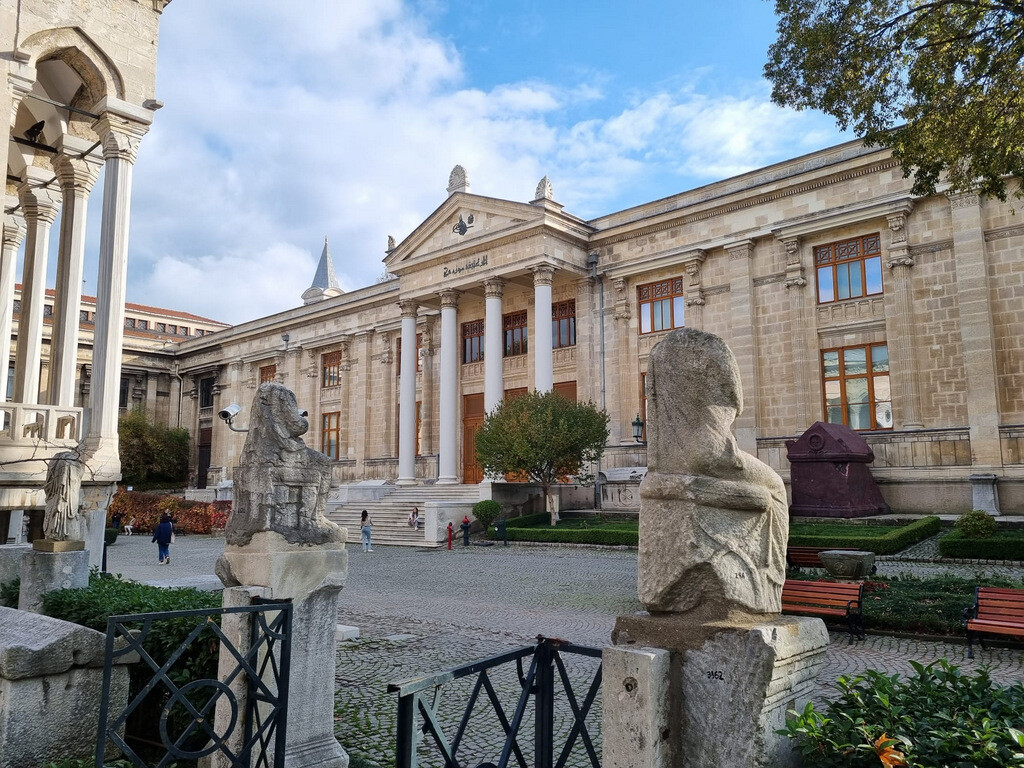
The Istanbul Archaeological Museums present one of the most important collections of antiquities in the region. The complex brings together artifacts from Anatolia and the broader Near East, including sculptures, sarcophagi, and ancient inscriptions.
Located just below Topkapı Palace, the museum is easy to reach from the first courtyard. The main building has been restored and reopened, while some sections of the complex may still be undergoing phased renovations as of March 2026. Despite this, the museum remains a key place to understand the deep historical layers of Anatolia.
9. Great Palace Mosaic Museum
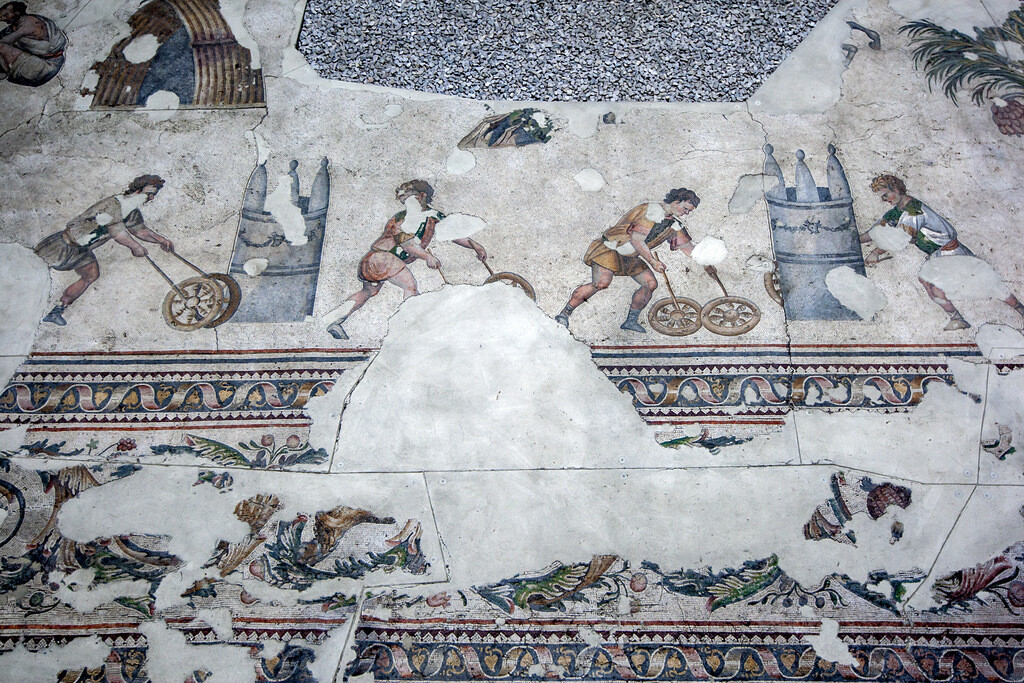
The Great Palace Mosaic Museum is one of the lesser-known but historically significant museums in Istanbul. It preserves floor mosaics from the Great Palace of the Byzantine emperors, dating back to the early Byzantine period.
The museum is located inside the Arasta Bazaar, just behind Sultanahmet Square. Because of its hidden location, it often goes unnoticed by many visitors. As of March 2026, the museum is under restoration and remains closed to the public.
10. Beylerbeyi Palace
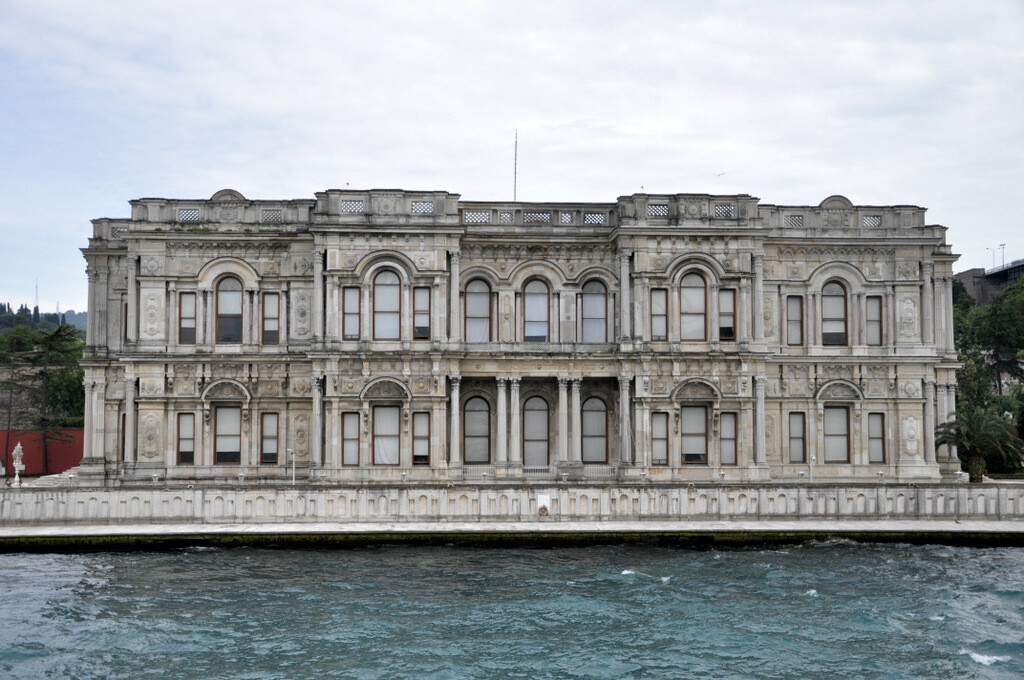
Beylerbeyi Palace is an elegant 19th-century Ottoman residence located on the Asian shore of the Bosphorus. Built as a summer palace, it later served as a guesthouse for visiting foreign dignitaries.
Compared to Dolmabahçe Palace, Beylerbeyi Palace has a more intimate scale, while still reflecting the same Western-influenced architectural style of the late Ottoman period. Its interiors feature refined decoration, with the blue marble columns in the main hall standing out as one of the most distinctive elements.
11. Yıldız Palace

Yıldız Palace is set within a large green park in Beşiktaş, offering a quiet escape from the busy rhythm of the city. Unlike earlier Ottoman palaces, it is not a single structure but a collection of pavilions spread across a wide area.
Closely associated with Sultan Abdülhamid II, the complex reflects the final phase of the Ottoman Empire. Today, visitors can walk through its gardens, explore the historic pavilions, and enjoy the peaceful atmosphere. The surrounding Yıldız Park is also one of the most pleasant places in Istanbul for a relaxed walk.
12. Galata Mevlevi House Museum
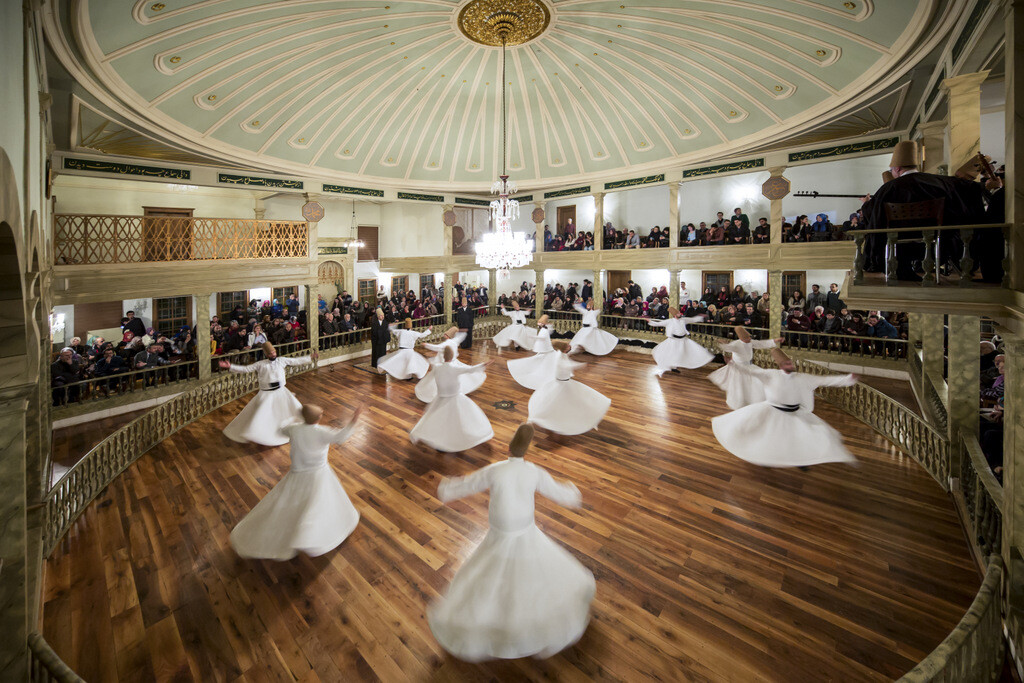
The Galata Mevlevi House Museum preserves the legacy of the Mevlevi order, inspired by the teachings of Rumi in the 13th century. Located near Galata Tower and within walking distance of Taksim, it offers a quieter and more contemplative experience compared to other central attractions.
The museum is housed in a former dervish lodge and introduces visitors to Sufi culture and traditions. It is also known as one of the main venues in Istanbul where you can attend a whirling dervish ceremony, providing a deeper insight into this spiritual practice.
13. Panorama 1453 Museum
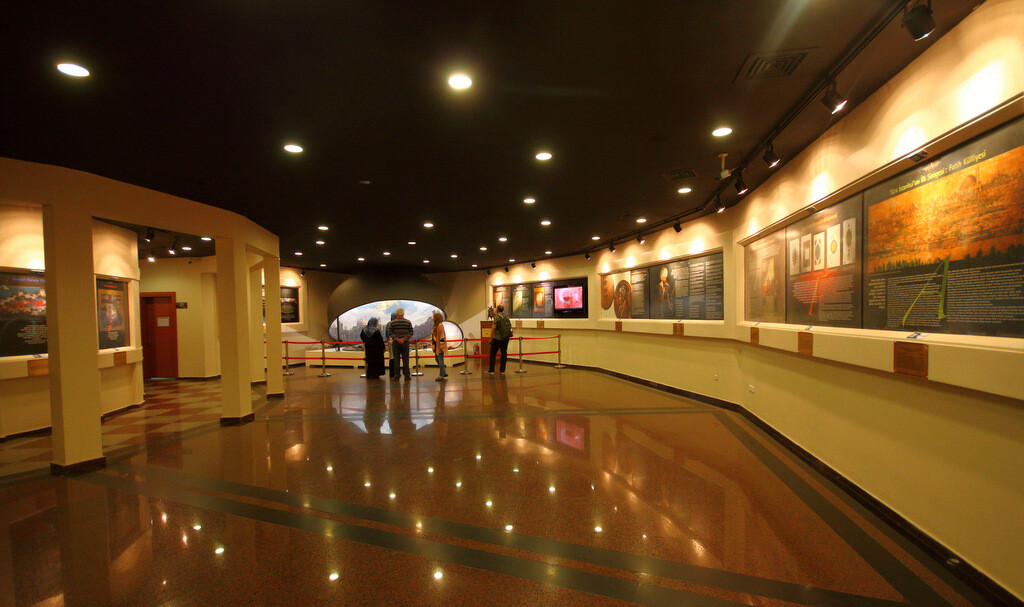
Panorama 1453 Museum focuses on the conquest of Constantinople, one of the most significant events in the city’s history. Located near the land walls in Zeytinburnu, the museum helps visitors understand the final siege that ended the Byzantine Empire.
For centuries, the Theodosian Walls protected the city from invasion. With the introduction of large cannons, these defenses were eventually overcome during the reign of Mehmed the Conqueror. The museum presents this moment through a large-scale panoramic installation, creating an immersive visual experience.
14. Miniaturk
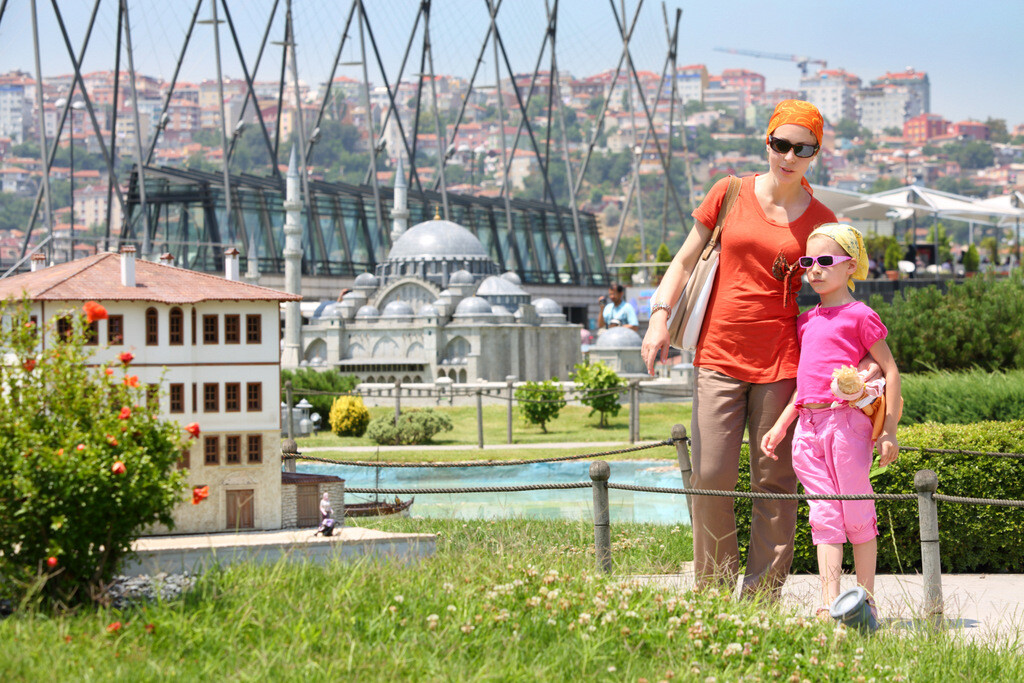
Miniatürk is an open-air museum located at the end of the Golden Horn in Sütlüce. It features detailed miniature models of important structures from across Türkiye, covering a wide historical timeline from antiquity to the present.
One of its most interesting aspects is the representation of monuments that no longer exist. Visitors can see reconstructions of ancient wonders such as the Temple of Artemis and the Mausoleum at Halicarnassus. With its spacious layout and interactive elements, Miniatürk is especially suitable for families.
15. Rahmi Koç Museum
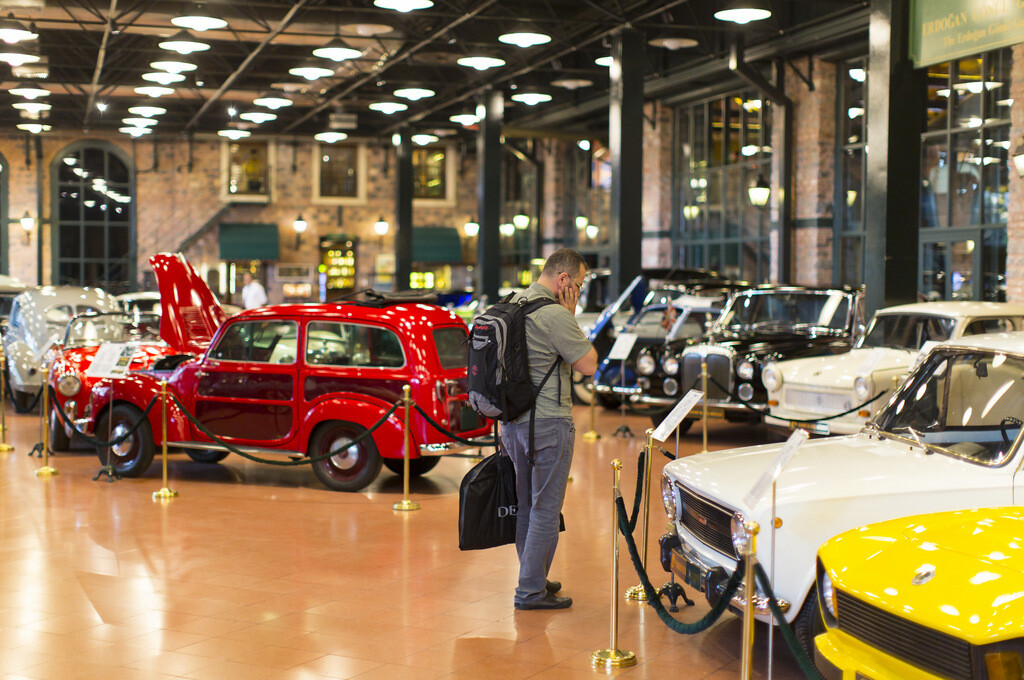
The Rahmi Koç Museum is located on the shores of the Golden Horn and focuses on the history of industry, transportation, and technology. As Türkiye’s first major industrial museum, it offers a different perspective compared to the city’s historical sites.
The collection includes a wide range of objects, from vintage vehicles to maritime exhibits. Visitors can explore aircraft, a historic ferry, and even a submarine. The museum also has a waterfront restaurant, making it a comfortable place to spend several hours.
16. Rumeli Fortress
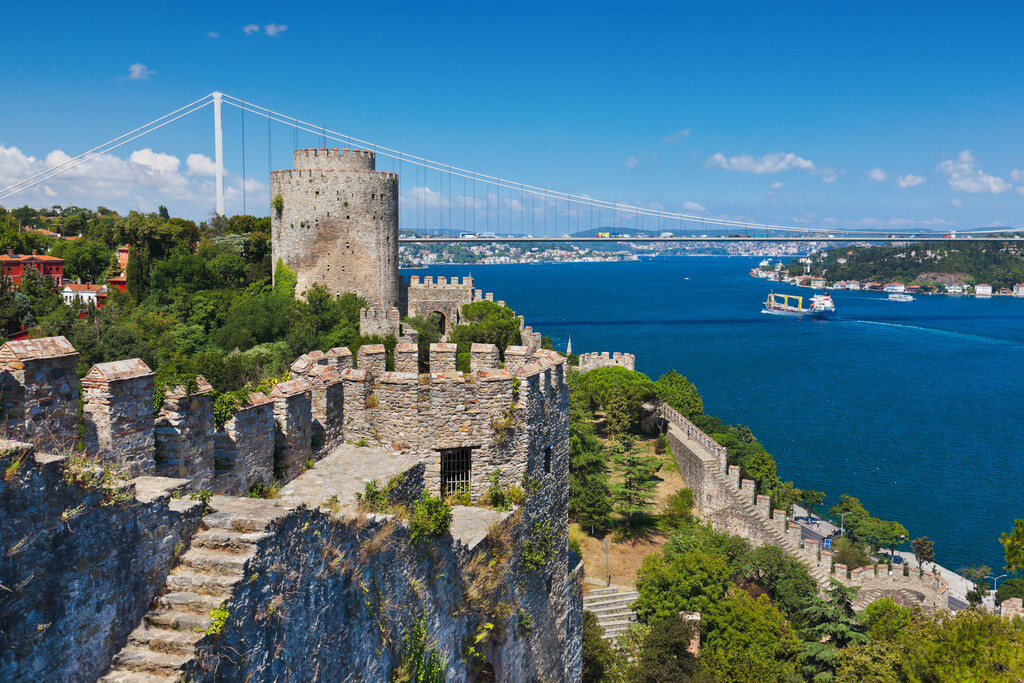
Rumeli Fortress (Rumeli Hisarı) was built in the 15th century just before the conquest of Constantinople. Its strategic purpose was to control ship traffic through the Bosphorus, playing a key role in the final siege of the city.
Today, the fortress functions as an open-air museum with impressive views over the Bosphorus. The surrounding neighborhood is also known for its lively atmosphere, especially on weekends, when locals gather here for breakfast along the waterfront.
17. Sakıp Sabancı Museum

Sakıp Sabancı Museum is located in Emirgan, one of the most scenic areas along the Bosphorus. The museum is known for its rotating exhibitions, which occasionally feature works by internationally recognized artists.
In addition to its exhibitions, the museum offers a pleasant cultural setting with views over the Bosphorus. The on-site restaurant, operated by the MSA (Culinary Arts Academy), provides a refined dining experience. After your visit, you can continue your walk in nearby Emirgan Park, especially popular during spring.
18. Fethiye Museum
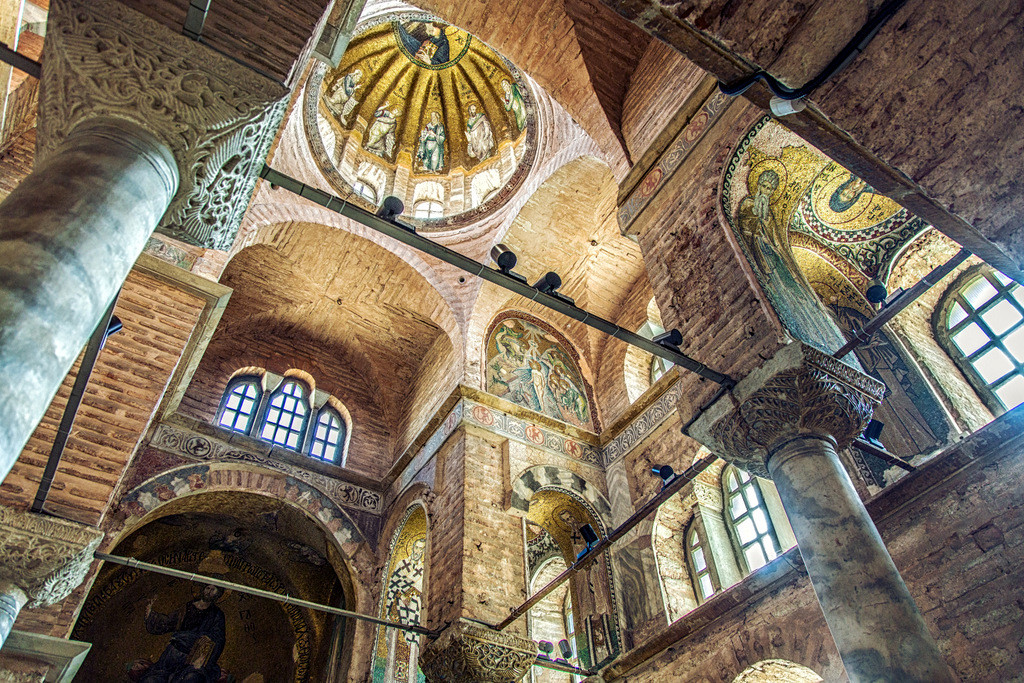
Fethiye Museum is one of the lesser-known places to see Byzantine mosaics in Istanbul. It is part of the former Pammakaristos Church, one of the most important late Byzantine religious buildings in the city.
While Hagia Sophia is the most famous example of Byzantine architecture, Fethiye Museum and Kariye Mosque (former Chora Church) are among the key sites where you can observe the artistic richness of the late Byzantine period. As of March 2026, the museum remains closed due to ongoing restoration works.
19. Tekfur Palace Museum
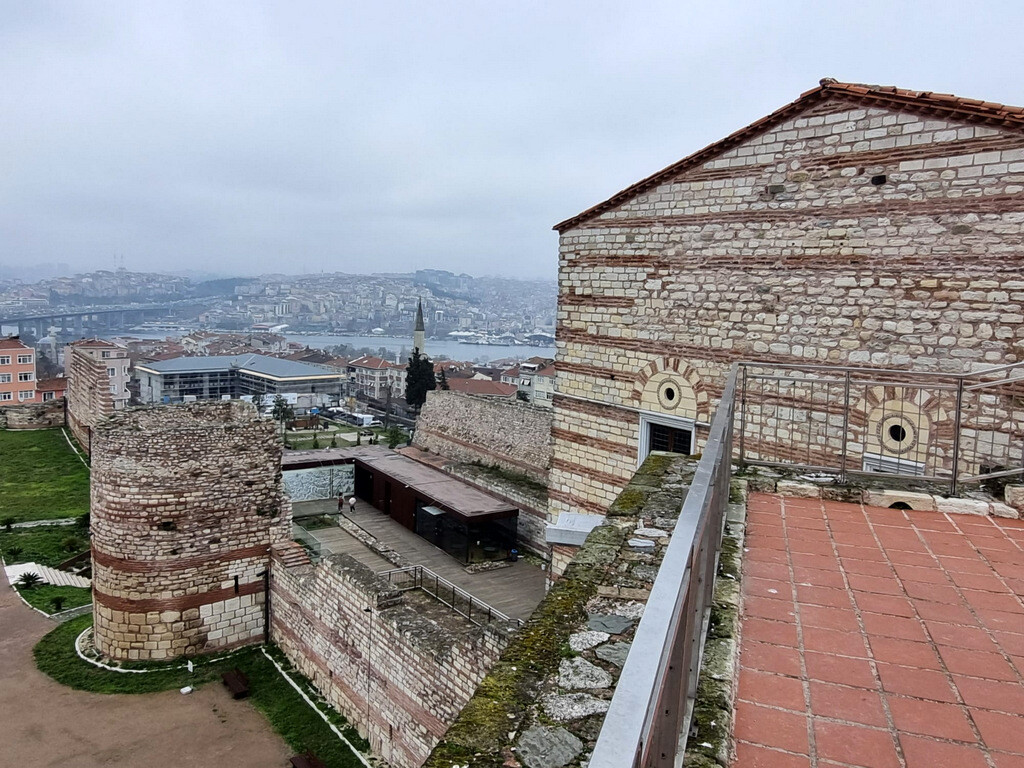
Tekfur Palace Museum, also known as the Palace of the Porphyrogenitus, is the last surviving part of a Byzantine imperial residence from the Middle Ages. It is located in the Ayvansaray district, near the land walls of the city.
The building once formed part of the Blachernae Palace complex, which served as a major residence for Byzantine emperors in the later period. Today, the museum combines this late Byzantine structure with an exhibition of Ottoman tile art, creating an interesting contrast between two different historical layers.
20. Ara Güler Photography Museum
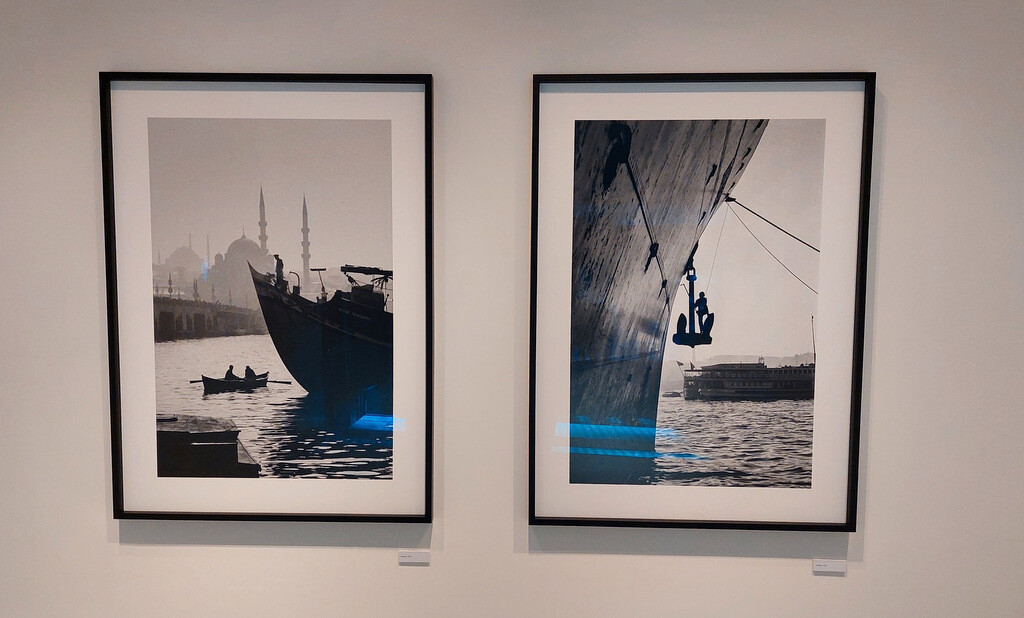
The Ara Güler Photography Museum offers a visual journey into Istanbul’s recent past through the lens of one of Türkiye’s most celebrated photographers. His work captures the atmosphere of the city, particularly in the 1950s and 1960s.
Located in the Bomontiada complex, the museum displays a selection of Ara Güler’s most iconic photographs. Beyond documenting Istanbul, his career also included portraits of internationally known figures such as Picasso and Salvador Dalí, reflecting his global recognition in the field of photography.
21. Museum of Innocence
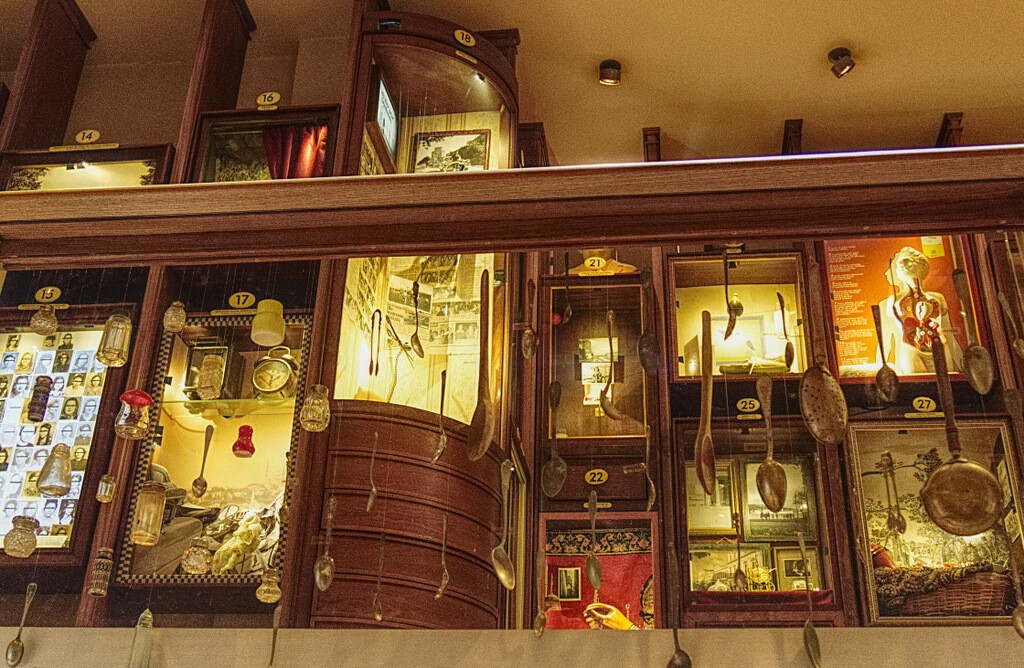
The Museum of Innocence is based on the novel of the same name by Nobel Prize-winning author Orhan Pamuk. Located in Cihangir, one of Istanbul’s most atmospheric neighborhoods, the museum reflects the everyday life of the city in the late 20th century.
While writing the novel, Pamuk also collected objects related to the story and designed the museum itself. Housed in a restored building in Çukurcuma, an area known for its antique shops, the museum presents these items as part of a carefully constructed narrative. The result is a unique space where literature and memory come together.
22. The Museum of Turkish Jews
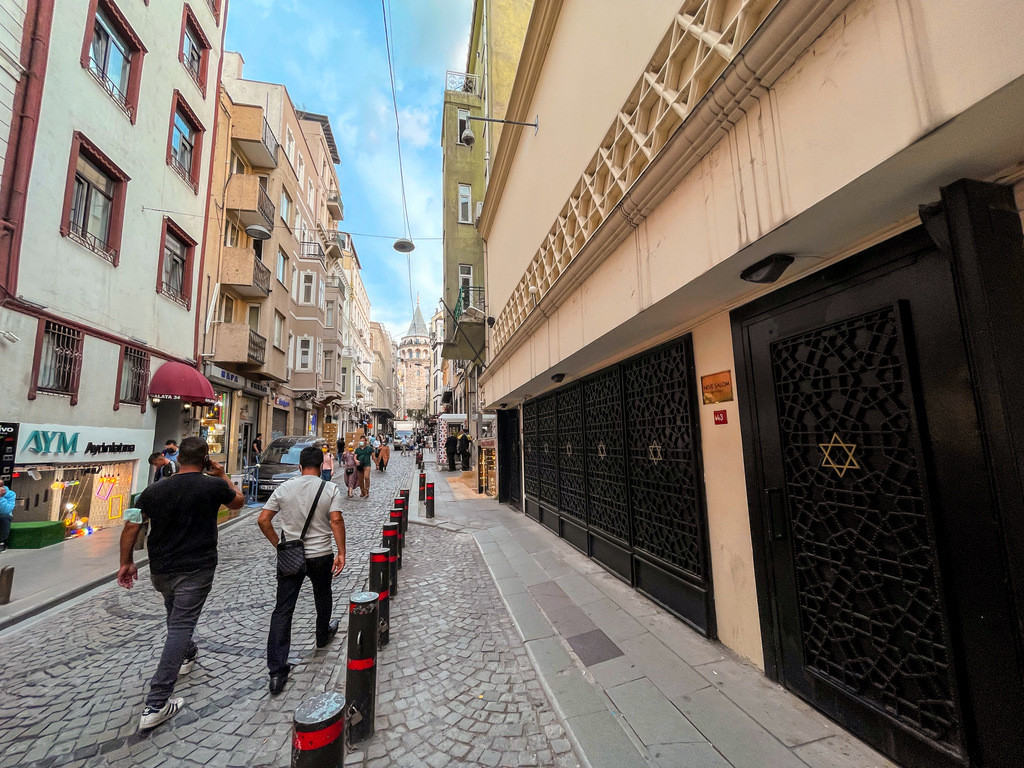
The Museum of Turkish Jews is located within the Neve Şalom Synagogue, the largest synagogue in Istanbul. It presents the history of Jewish communities in Anatolia, from the Byzantine period through the Ottoman era and into modern Türkiye.
The museum explores how Jewish communities became an integral part of the city, especially after the arrival of Sephardic Jews from Spain in the late 15th century. Today, traces of this heritage can still be seen in districts such as Galata, Balat, and Ortaköy, where historic synagogues continue to exist.
23. Istanbul Naval Museum
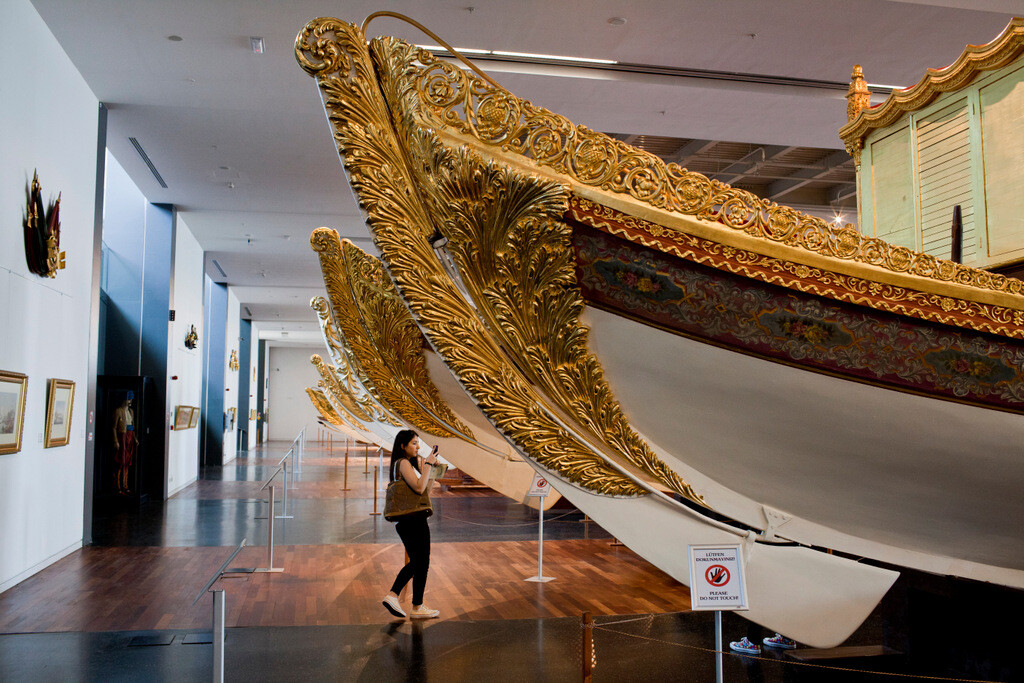
The Istanbul Naval Museum, located in Beşiktaş near the Bosphorus, focuses on the maritime history of Türkiye. It presents the development of the Ottoman navy alongside its continuation into the Republican period.
During the 16th century, the Ottoman fleet became one of the dominant naval forces in the Mediterranean under figures such as Barbaros Hayreddin Pasha and Piri Reis. The museum reflects this legacy through a wide collection that highlights both military and ceremonial aspects of naval history.
24. Istanbul Military Museum
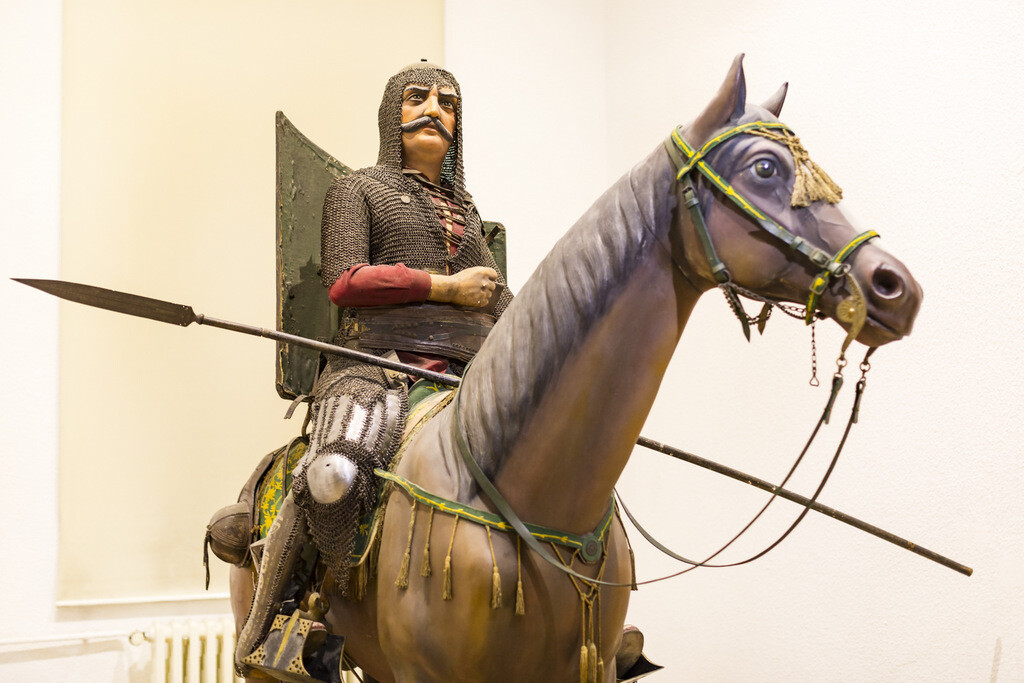
The Istanbul Military Museum is dedicated to the long military tradition of the Turks, from Central Asia to the Ottoman Empire and the modern Republic. Located close to Taksim and Nişantaşı, it is easily accessible for visitors staying in central districts.
The museum presents weapons, uniforms, and historical artifacts that trace the evolution of military organization over centuries. It offers a broad overview of how military culture shaped the expansion and defense of these empires.
25. Istanbul Modern Art Museum
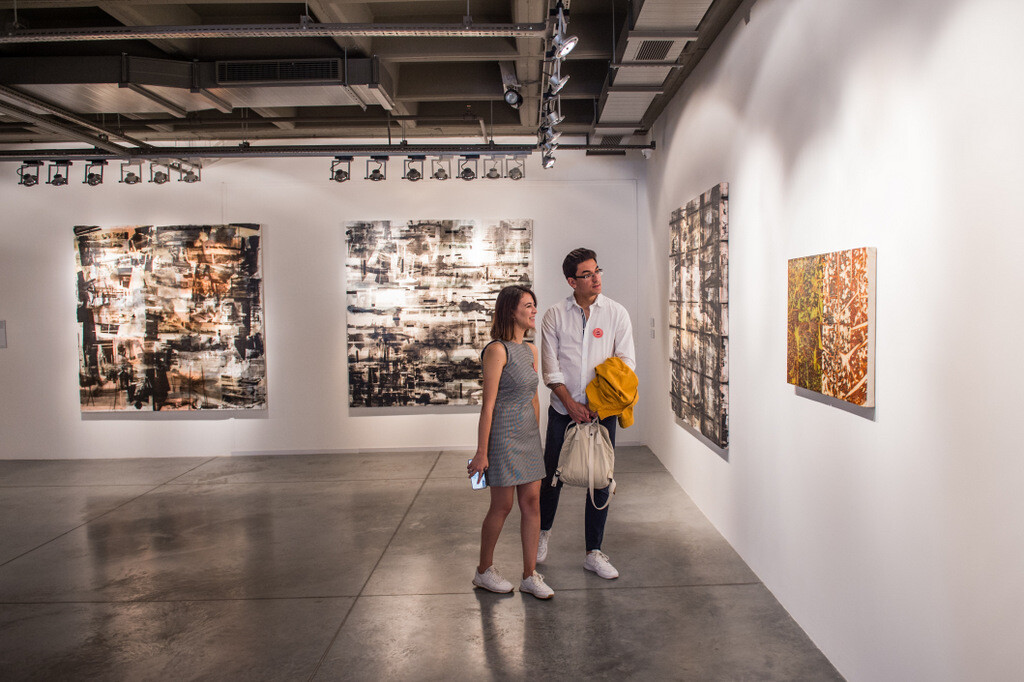
Istanbul Modern Art Museum is located in Karaköy, within the Galataport area, one of the city’s main waterfront developments. The museum is dedicated to modern and contemporary art in Türkiye.
Through its exhibitions, Istanbul Modern highlights the transformation of Turkish art in a global context. The museum also hosts temporary exhibitions and guided tours, making it an accessible entry point for visitors interested in contemporary art. One of its recognizable works is Richard Wentworth’s installation titled False Ceiling.
26. Pera Museum
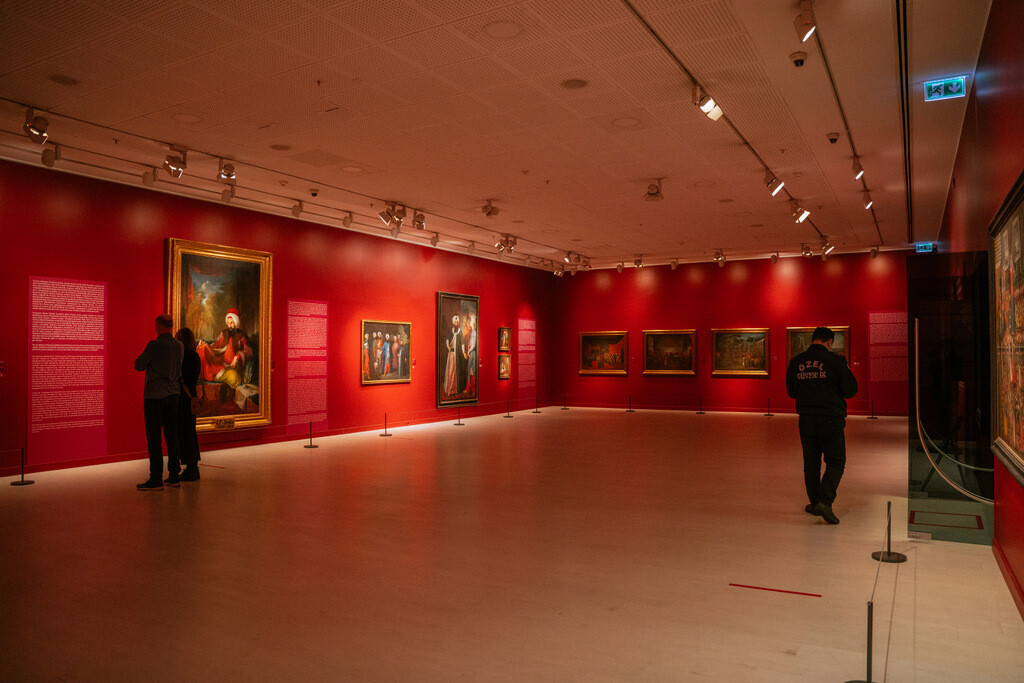
Pera Museum is located in Beyoğlu, one of Istanbul’s most historic and culturally rich districts. Situated on Meşrutiyet Street, it stands close to landmarks such as the Pera Palace Hotel.
The museum is particularly known for its collection of Orientalist paintings, offering insight into how Western artists depicted the East during the 18th and 19th centuries. One of its highlights is The Tortoise Trainer by Osman Hamdi Bey, one of the most important figures in Ottoman art history.
In addition to its permanent collection, Pera Museum hosts temporary exhibitions, making it a place that often offers a different experience on repeat visits.
27. Sadberk Hanım Museum
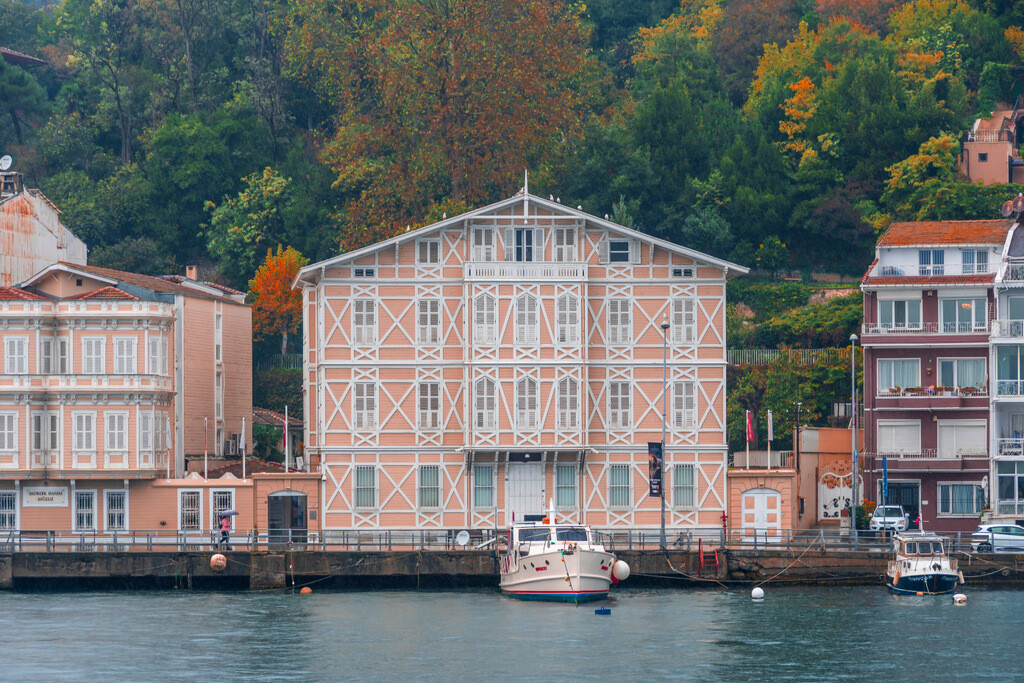
Sadberk Hanım Museum is located in Sarıyer, along the northern shores of the Bosphorus. It is housed in a historic building in a district known for its traditional waterfront atmosphere.
The museum was established by the Koç family and reflects a deep interest in preserving cultural heritage. Its collection includes archaeological artifacts, traditional clothing, and decorative arts, offering a broad perspective on Anatolian and Ottoman culture.
Compared to larger museums in the city center, Sadberk Hanım Museum provides a quieter and more focused experience.
28. Istanbul Aquarium

Istanbul Aquarium is located in the Florya district, near the former Atatürk Airport. It is one of the largest thematic aquariums in the region and is especially popular among families.
The aquarium features a variety of marine environments, with themed sections representing different parts of the world. Visitors can observe a wide range of sea creatures and follow a structured route through these ecosystems.
Its location within a larger complex, including shopping and dining options, makes it a convenient stop for a half-day visit.
29. Adam Mickiewicz Museum
The Adam Mickiewicz Museum is dedicated to one of Poland’s most important Romantic poets, who spent his final days in Istanbul. Located in the Kasımpaşa district, the museum is housed in the building where Mickiewicz died in 1855.
He had come to Istanbul during the Crimean War to support efforts against Russia, but passed away shortly after his arrival due to illness. The building was later converted into a museum, preserving documents, personal items, and historical materials related to his life.
Today, the museum offers a unique perspective on Istanbul’s 19th-century international connections. It is also included in the Museum Pass Istanbul, making it an accessible stop for visitors interested in lesser-known historical sites.
30. Istanbul Toy Museum
Istanbul Toy Museum was founded by Turkish poet Sunay Akın and is located on the Asian side of the city. The museum brings together a large collection of toys gathered from different parts of the world.
Through its exhibits, the museum presents not only toys but also the cultural and historical context behind them. Each room is designed around a different theme, creating an engaging experience for both children and adults.
Although it is smaller compared to major museums in the city, it offers a distinctive and memorable visit, especially for families.
Conclusion
Istanbul is not a city that reveals itself all at once.
Some places you visit because they are famous. Others you discover by chance. And a few stay with you long after you leave.
Museums are part of that experience. Not just as buildings filled with objects, but as quiet spaces where the city slows down and begins to speak in a different way.
Over the years, I have walked through these museums with thousands of visitors. Each of them saw something slightly different — a detail, a story, a feeling that stayed with them.
If this list helps you find even one place that creates that kind of moment, then it has done its job.

Leave a Reply