Istanbul is often described through its landmarks—but the real character of the city is revealed through its neighborhoods.
As a licensed tour guide who has spent over two decades exploring Istanbul, I’ve learned that each district tells a different part of the city’s story. Some reflect the monumental legacy of empires, while others reveal the everyday rhythm of local life. In many cases, what makes a place truly interesting is not only what you see, but what lies beneath the surface.
This guide brings together the best neighborhoods to visit in Istanbul, not as a simple list, but as a way to understand how the city is experienced. From the historic core of the Old City to the more contemporary districts across the Golden Horn and the Bosphorus, each area has its own identity shaped by layers of Byzantine, Ottoman, and modern Istanbul.
Throughout the article, you will also find practical insights based on real guiding experience—helping you not only decide where to go, but also how to interpret what you see.
Best Neighborhoods in Istanbul (2026)
This guide features 20 neighborhoods, each selected for a different reason—some for their historical depth, others for their atmosphere, and some for the way they connect different parts of the city.
The first part of the article focuses on the European Side of Istanbul, where the historical peninsula, the Golden Horn, and Beyoğlu form the core of the city’s past and present. In the second part, you will find neighborhoods on the Asian Side, offering a different perspective on daily life in Istanbul.
Rather than reading this as a checklist, it is best approached as a city map shaped by experience—one that helps you move through Istanbul with a clearer sense of context.
1. Sultanahmet

Sultanahmet is the historic heart of Istanbul—the place where most first-time visitors begin to understand the city. Within a short walking distance, you encounter some of the most iconic landmarks not only of Istanbul, but of world history: Hagia Sophia, the Blue Mosque, and Topkapı Palace.
But what makes Sultanahmet truly exceptional is not just the presence of these monuments—it is the way three empires overlap in the same physical space.
In this district, a 6th-century Byzantine cathedral stands next to a 17th-century Ottoman imperial mosque, while just a few steps away, the former seat of Ottoman sultans rises on the same promontory where the ancient city was first founded. Beneath your feet, layers of history continue even further: the Basilica Cistern still holds the engineering brilliance of the Eastern Roman Empire, hidden quietly below the modern streets.
What many visitors don’t immediately realize is that Sultanahmet was already the political and ceremonial center of the city long before the Ottomans arrived. The area around today’s square was once occupied by the Great Palace of Constantinople, and the open space known as Sultanahmet Square was the site of the ancient Hippodrome, where chariot races and imperial ceremonies defined public life in the 4th century.
This continuity is what gives the neighborhood its unique character. You are not moving from one monument to another—you are walking through a space that has remained the core of power, religion, and daily life for over 2,000 years.
Today, Sultanahmet is also one of the most accessible areas for visitors. In addition to its major monuments, you can explore traditional streets, try local food, and easily reach the Grand Bazaar, one of the oldest covered markets in the world.
2. Eminönü and Sirkeci
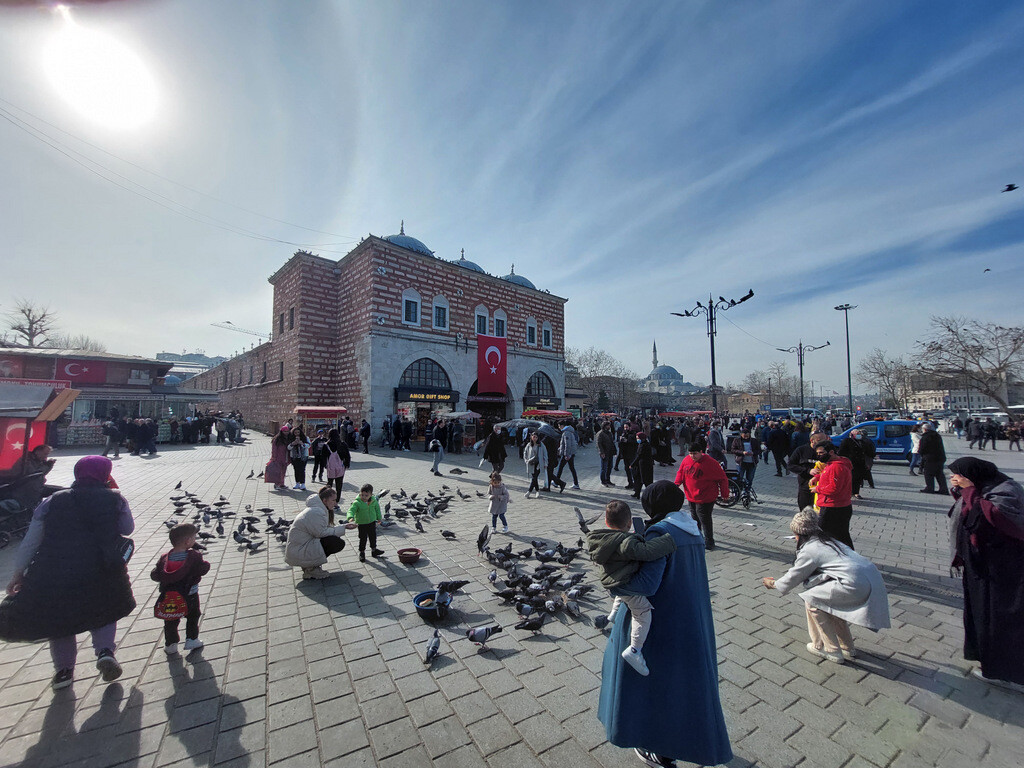
Eminönü is where Istanbul’s historical depth meets its everyday rhythm. For many visitors crossing the Galata Bridge from Beyoğlu, this is the first real encounter with the Old City—and it is rarely a quiet one.
The square is dominated by the New Mosque (Yeni Cami) and the entrance of the Spice Bazaar (Mısır Çarşısı), but the real character of Eminönü unfolds in the movement around them. Ferries arriving and departing along the Golden Horn, street vendors calling out to passersby, and narrow streets filled with shops selling tea, spices, and traditional breakfast ingredients all create a distinctly local atmosphere.
Unlike Sultanahmet, which feels like an open-air museum, Eminönü is still very much part of daily Istanbul life. Locals come here to shop, meet, and pass through, especially during busy periods such as Ramadan, when the entire district becomes even more vibrant.
Just a short walk inland, Sirkeci offers a slightly different layer of the same story. Historically, it was the final stop of the legendary Orient Express, connecting Istanbul to Europe in the 19th century. Today, the area around Sirkeci Station is known for its traditional restaurants, dessert shops, and streets that still carry the memory of this cosmopolitan past.
At the same time, Sirkeci remains an important transportation hub. The modern Marmaray line, which runs beneath the Bosphorus, connects this historic district directly to the Asian side of the city—making it a place where Istanbul’s past and present quite literally intersect.
3. Fener and Balat

Fener and Balat are two neighboring districts along the Golden Horn, known today for their colorful streets and growing popularity among visitors. In recent years, these areas have become especially attractive for photography, with restored Ottoman houses painted in pastel tones and narrow streets filled with cafés, small shops, and local life.
But beyond this visual appeal lies a much deeper and more complex story.
Historically, Fener was the center of the Greek Orthodox community in Istanbul and still hosts the Ecumenical Patriarchate, one of the most important religious institutions in Eastern Christianity. Just a few streets away, Balat developed as a Jewish neighborhood during the Ottoman period, with landmarks such as the Ahrida Synagogue reflecting this long-standing presence.
Walking through these districts, it is not unusual to come across layers of history that are easy to miss at first glance. Hidden among residential streets, you may encounter churches that have stood for centuries, or buildings like Gül Mosque, originally a Byzantine church known as Hagia Theodosia, quietly embedded within the neighborhood fabric.
I first designed my walking tour in Fener and Balat in 2008, and since then I have witnessed how much these areas have changed. Restoration projects and growing interest have transformed the streets, bringing new life—but also a different kind of attention. What was once a relatively quiet historical area has gradually become one of the most photographed parts of the city.
This is what makes Fener and Balat particularly interesting today. They are not only places to take beautiful photos, but also districts where Istanbul’s multicultural past—Greek, Jewish, Byzantine, and Ottoman—can still be felt beneath the surface, if you take the time to look beyond the colors.
4. Ayvansaray
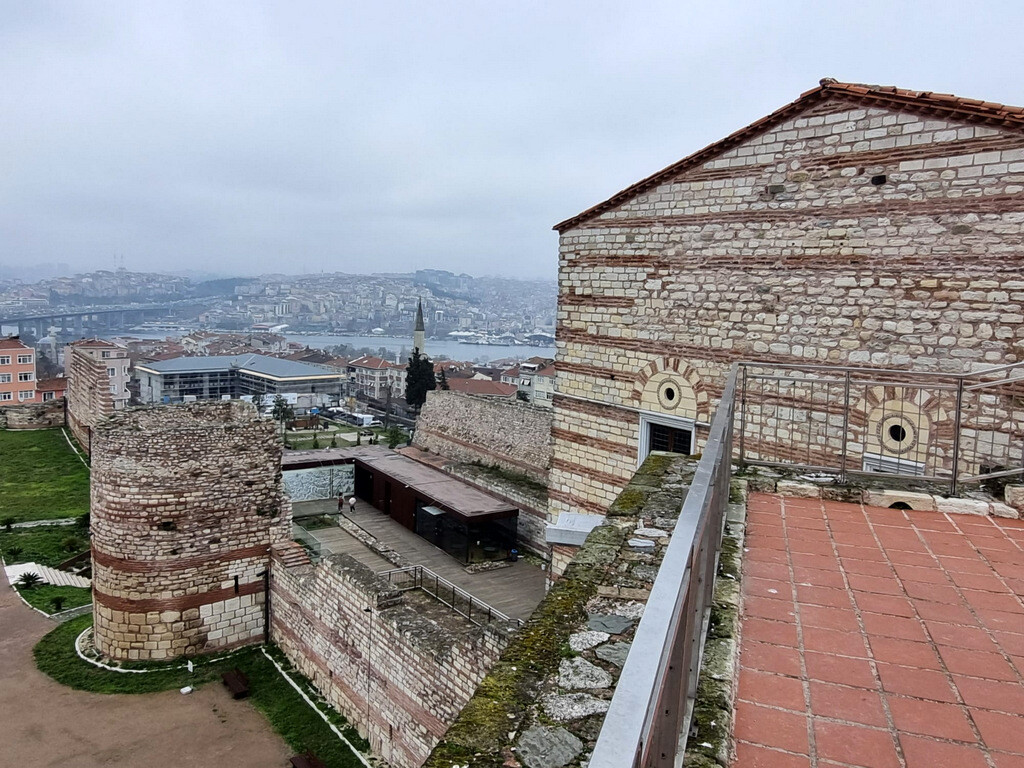
Ayvansaray is one of the least visited yet most historically significant neighborhoods in Istanbul. Located along the Golden Horn, just beyond the more popular areas of Balat, it offers a quieter and more introspective view of the city’s past.
What many visitors don’t realize is that this area was once the political center of the Byzantine Empire during its final centuries. While Sultanahmet is often associated with imperial power, the focus had already shifted here, to the Blachernae Palace, located near the land walls of Constantinople. From the 11th century onwards, emperors ruled the city from this district, making Ayvansaray the true heart of late Byzantine authority.
Although the vast palace complex has largely disappeared, its memory still lingers in the area. The Palace of the Porphyrogenitus (Tekfur Palace), the only surviving structure of this imperial residence, stands as one of the rare examples of late Byzantine civil architecture. Just a short walk away, the massive substructures known as the Prison of Anemas remind visitors of the political intrigues and power struggles that once defined this part of the city.
Ayvansaray also carries a deep religious significance. The Church of St. Mary of Blachernae, one of the most sacred sites of the Byzantine world, was believed to house the famous Blachernitissa icon, regarded as the spiritual protector of Constantinople. According to tradition, this icon played a central role during the Avar siege in the 7th century, when the city was miraculously saved.
Walking through Ayvansaray today feels very different from the nearby districts. The streets are quieter, the pace is slower, and the atmosphere is more reflective. Unlike the highly photographed streets of Balat, this neighborhood preserves a more understated character—one that still echoes the final centuries of Constantinople.
For those interested in exploring beyond the obvious, Ayvansaray also offers a natural extension toward Kariye Mosque (Chora Church), located within walking distance. This makes the area particularly valuable for visitors who want to understand the western edge of the old city, where the land walls meet the Golden Horn.
5. Eyüp
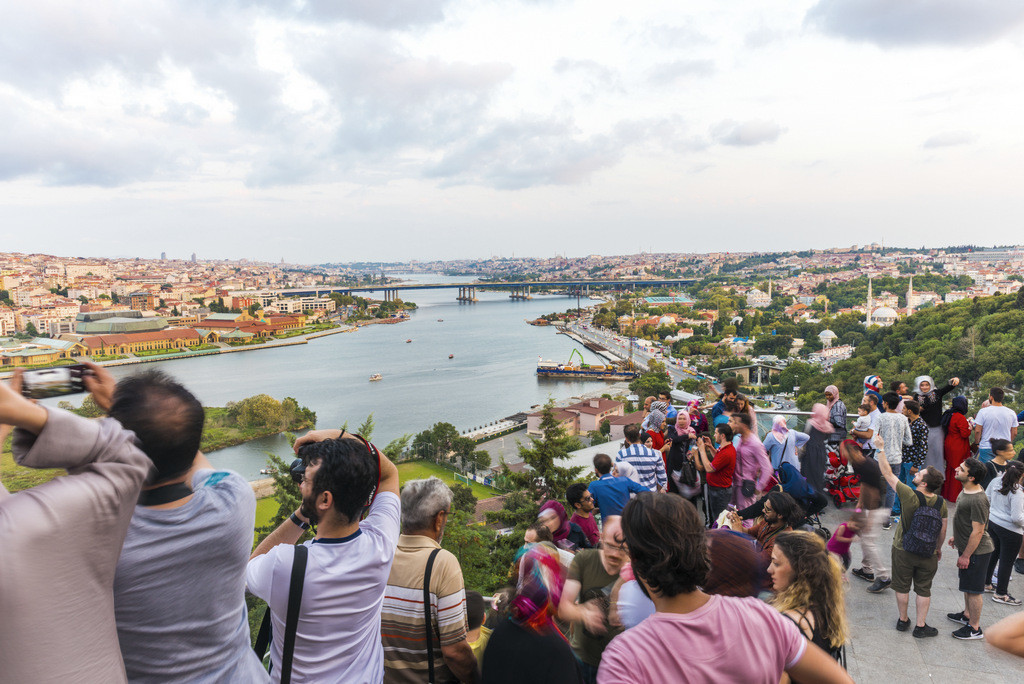
Eyüp marks a transition not only in geography, but in the spiritual identity of Istanbul. Just beyond the land walls, a short distance from Ayvansaray, the atmosphere changes noticeably. The remnants of Byzantine Constantinople give way to one of the most important religious centers of the Ottoman world.
At the heart of the district stands the Eyüp Sultan Mosque, built near the tomb of Abu Ayyub al-Ansari, a companion of the Prophet Muhammad who is believed to have died during the early Arab sieges of Constantinople in the 7th century. After the Ottoman conquest, this site quickly became one of the most sacred places in the city, attracting visitors from across the Islamic world.
But Eyüp was not only a place of devotion—it was also deeply tied to imperial tradition. For centuries, Ottoman sultans came here for the “Sword Girding” ceremony, a ritual that symbolized their legitimacy as rulers. In this sense, Eyüp functioned as both a spiritual and political center of the empire.
The atmosphere of the district reflects this heritage. Unlike the monumental spaces of Sultanahmet or the lively streets of Eminönü, Eyüp feels more introspective. Locals visit the mosque and the surrounding tombs to pray, especially on Fridays and during Ramadan, when the area becomes particularly active yet still retains its devotional character.
Extending uphill from the mosque is one of the most remarkable historical cemeteries in Istanbul. The hillside is covered with centuries-old gravestones, shaded by tall cypress trees, creating a quiet and contemplative path that leads toward Pierre Loti Hill. From the top, you can look out over the Golden Horn and see the curve of the old city from a completely different perspective.
I often suggest walking down from the hill through the cemetery rather than taking the cable car. Moving slowly along these paths, surrounded by layers of memory, gives a much stronger sense of what this place represents. By the time you reach the mosque courtyard, the experience feels less like sightseeing and more like stepping into a living tradition.
6. Karaköy
Crossing the Galata Bridge from Eminönü into Karaköy feels like stepping into a different layer of Istanbul. The atmosphere shifts from the traditional rhythm of the Old City to a more outward-looking, cosmopolitan environment shaped by trade, finance, and movement.
Historically, Karaköy formed the waterfront of Galata, a Genoese colony that stood opposite Constantinople. While the imperial city across the Golden Horn represented political and religious power, this side developed as a hub for merchants, sailors, and bankers connected to the wider Mediterranean world. Even today, that legacy can still be sensed in the district’s character.
During the late Ottoman period, Karaköy became one of the main gateways through which Western influence entered the city. The nearby Bankalar Caddesi emerged as the financial center of the empire, and the area was connected to the upper districts by the historic Tünel, one of the oldest underground railways in the world.
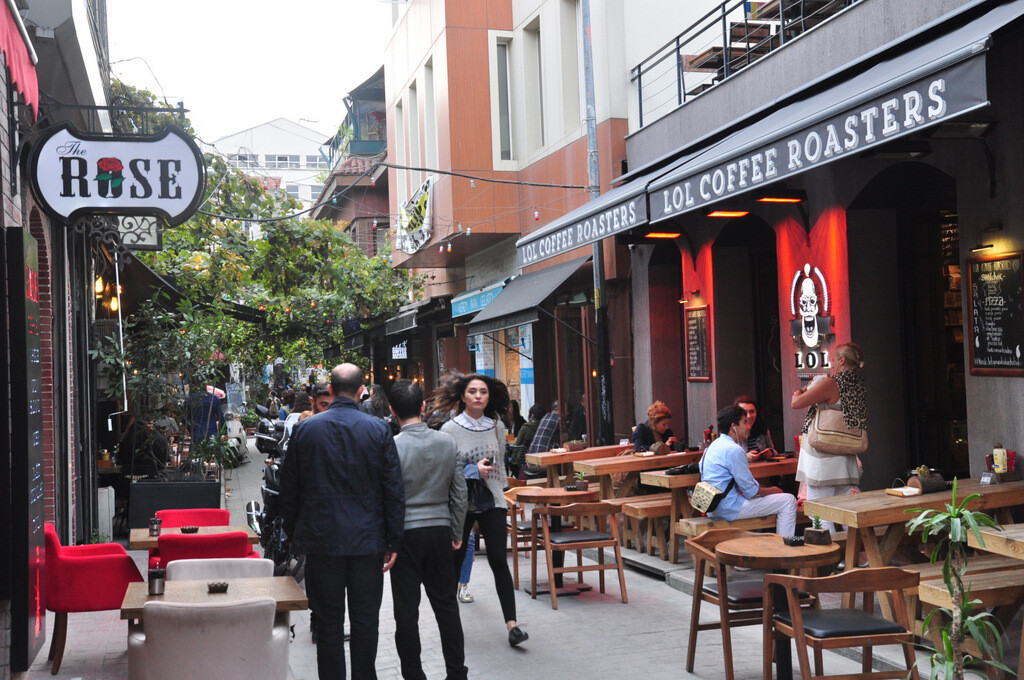
Walking through Karaköy today, you encounter a striking contrast. On one side, the traditional workshops of Perşembe Pazarı—filled with hardware stores and small industrial trades—continue their daily routine. On the other, contemporary cafés, art spaces, and boutique restaurants reflect the neighborhood’s recent transformation.
Yet some of the most interesting elements remain hidden in plain sight. From a distance, the skyline suggests a cluster of churches, but many of these are actually “apartment churches”, located on the upper floors of ordinary buildings. This layered and often invisible character is part of what makes Karaköy so intriguing.
Along the waterfront, the redevelopment of Galataport has opened the area to the public, bringing cruise ships and international visitors directly into the neighborhood. At the same time, places like Kılıç Ali Paşa Mosque, designed by Mimar Sinan, continue to anchor the district in its historical context—offering a reminder that Karaköy has always been a meeting point between different worlds.
7. Galata

Climbing up from the waterfront of Karaköy into Galata is more than just a physical ascent—it is a transition into a different layer of Istanbul’s history. The noise of the harbor gives way to narrower streets, stone buildings, and a distinctly European atmosphere shaped by centuries of trade and diplomacy.
In Byzantine times, this area was known as Pera, meaning “the other side.” Unlike Constantinople across the Golden Horn, Galata developed as a semi-independent Genoese colony, complete with its own walls, administration, and commercial networks. At the center of this settlement rose the Galata Tower, built in the 14th century as the main defensive structure of the colony. Even today, fragments of the old Genoese walls can still be traced in the surrounding streets.
As you move through Galata, the character of the neighborhood reflects this layered past. During the late Ottoman period, the district became home to a wealthy Levantine community—European families who lived and conducted business in the empire. Their presence shaped the architecture of the area, leaving behind elegant apartment buildings, narrow passageways, and details that still feel distinctly Western.
One of the most recognizable elements of this period is the Kamondo Stairs, built by a prominent Jewish banking family to connect the financial district below with the residential streets above. Today, they mark one of the most iconic transitions between Karaköy and Galata—both physically and historically.
Despite its European character, Galata is also a place where different traditions intersect. Just a short walk uphill, the Galata Mevlevihanesi, one of the oldest Sufi lodges in Istanbul, introduces a quieter and more introspective dimension to the neighborhood. This coexistence of cultures is part of what makes Galata unique.
In recent years, the area has become one of the most attractive districts for visitors, with boutique hotels, independent shops, art galleries, and a refined nightlife scene. Streets such as Serdar-ı Ekrem and Galip Dede offer a more intimate alternative to the busier parts of Beyoğlu, while still being within walking distance of the main attractions.
Although many visitors are drawn to the view from the top of the Galata Tower, I often find the streets around it more rewarding. Walking through Kuledibi and the surrounding neighborhoods, observing how the tower rises above the urban fabric, gives a more natural sense of its presence within the city.
8. Beyoğlu

Reaching Beyoğlu from Galata feels like stepping into a different century. The narrow, sloping streets give way to a wide urban axis defined by İstiklal Street and anchored by Taksim Square—a space that has long represented the modern face of Istanbul.
Historically known as Pera, this district developed as the European-oriented center of the Ottoman Empire, especially during the 19th century. As the imperial court gradually shifted from Topkapı Palace to Dolmabahçe Palace, the energy of the city moved with it. Beyoğlu became the place where embassies, banks, theaters, and grand hotels were established, shaping a distinctly cosmopolitan environment.
Walking along İstiklal Street today, it is easy to focus on the crowds, shops, and constant movement. On a busy day, millions of people pass through this avenue. Yet the true character of Beyoğlu lies beyond this surface. The buildings lining the street—many dating back to the late Ottoman period—reflect a time when this avenue was known as the Grand Rue de Pera, one of the most important cultural and diplomatic corridors of the region.
The side streets and passages branching off İstiklal reveal this history more clearly. Historic arcades such as Çiçek Pasajı, Hazzopulo, and Aznavur preserve the architectural and social atmosphere of the 19th century, when Beyoğlu functioned as a center of urban life for Levantine families, diplomats, and merchants. These spaces were not just places to shop, but environments where people gathered, socialized, and participated in a rapidly modernizing city.
Taksim Square, at the northern end of this axis, represents another layer of meaning. Its name comes from the Ottoman system of water distribution (taksim), but over time it evolved into one of the main public spaces of modern Istanbul. Today, it serves as a meeting point where different parts of the city converge—both physically and socially.
Beyoğlu is not defined by a single experience. It is a collection of overlapping districts—Galata, Cihangir, Karaköy, and Pera—each contributing to a broader urban identity. This diversity is what makes the area so dynamic, but also why it is best understood as a layered environment rather than a single destination.
For me, Beyoğlu has always been less about specific landmarks and more about observation. Over the years, guiding through these streets, I’ve found that the most revealing details are often the ones people overlook—hidden in the passages, in the façades, and in the subtle transitions between one street and another.
9. Beşiktaş
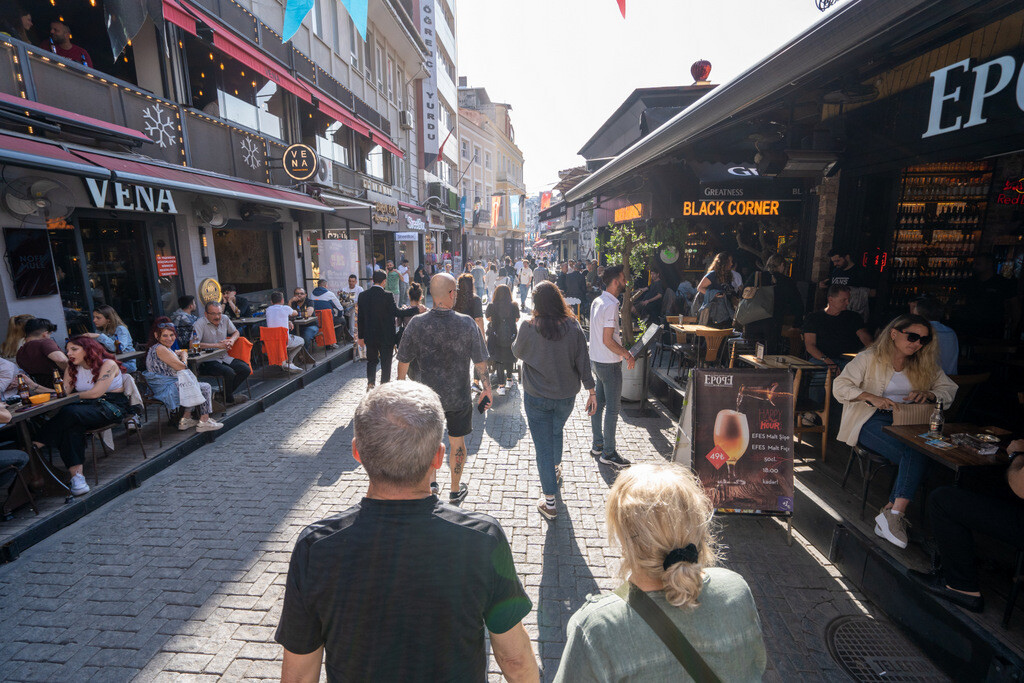
Moving north along the Bosphorus from Beyoğlu, Beşiktaş introduces a different dimension of Istanbul—one shaped by the sea, imperial transformation, and everyday urban life.
Historically, this area was closely associated with the Ottoman navy. The shoreline of Beşiktaş served as a gathering point for fleets preparing to sail into the Mediterranean, and the presence of Barbaros Hayreddin Pasha’s tomb, designed by Mimar Sinan, reflects this maritime legacy. Even today, the nearby Naval Museum preserves this connection, offering insight into the empire’s relationship with the sea.
In the 19th century, Beşiktaş became the new center of imperial power. As the Ottoman court shifted away from the traditional structure of Topkapı Palace, the sultans established their residence along the Bosphorus. Palaces such as Dolmabahçe, Çırağan, and Yıldız redefined the skyline and signaled a new, more European-oriented phase of the empire.
Yet what makes Beşiktaş particularly distinctive is the contrast between this imperial setting and the rhythm of daily life. Just a short walk from the monumental gates of Dolmabahçe Palace, you find yourself in the lively streets around the Beşiktaş Fish Market, where locals gather to eat, shop, and socialize.
This coexistence defines the character of the district. Beşiktaş is not a place built around a single attraction—it is an area where different layers of Istanbul overlap. The Bosphorus waterfront, the memory of imperial grandeur, and the energy of a local neighborhood all exist within the same space.
Over the years, I’ve often suggested to my guests that they walk from the formal surroundings of Dolmabahçe into the streets of Beşiktaş rather than taking a taxi. That short distance reveals one of the most striking contrasts in the city—where the controlled elegance of an empire meets the spontaneous life of Istanbul.
10. Ortaköy
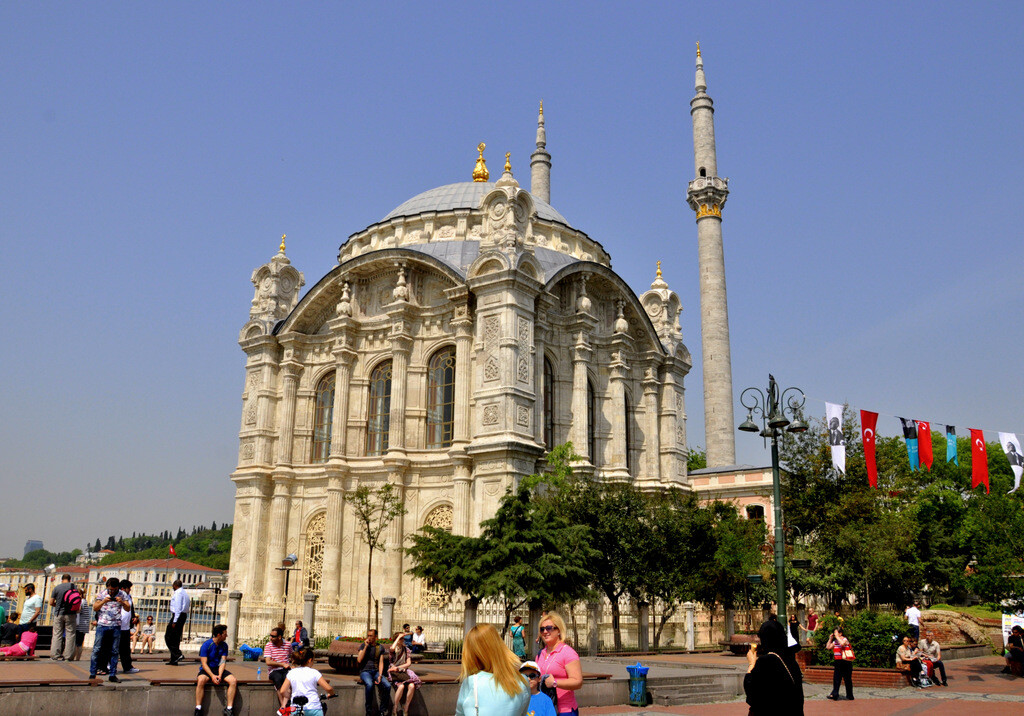
Continuing along the Bosphorus from Beşiktaş, the atmosphere shifts once again. The intensity of the city softens, giving way to a more relaxed, open rhythm shaped by the water. This is where Ortaköy begins—once a small village, now one of the most recognizable waterfront neighborhoods in Istanbul.
At the center of the district stands the elegant Ortaköy Mosque (Büyük Mecidiye Mosque), built in the 19th century by the Balyan family. Unlike the monumental mosques of the Old City, its design reflects a different architectural approach—lighter, more decorative, and closely connected to its surroundings. Large windows allow the reflections of the Bosphorus to enter the interior, creating a unique interaction between the building and the water.
What makes Ortaköy particularly striking is the visual contrast it offers. The historic mosque stands directly beneath the Bosphorus Bridge, forming one of the most iconic compositions in the city. This juxtaposition of Ottoman architecture and modern infrastructure captures a central theme of Istanbul—the coexistence of different eras within the same frame.
Yet Ortaköy is not defined by a single image. Historically, it was a multi-cultural neighborhood where Muslim, Greek, Armenian, and Jewish communities lived side by side. Even today, within a short walking distance, you can find a mosque, a synagogue, and a church—an arrangement that reflects the layered social history of the area.
The character of Ortaköy today is shaped as much by its atmosphere as by its landmarks. On weekends, the square becomes lively with locals and visitors, street vendors, and small artisan stalls. The famous kumpir stalls, the cafés along the waterfront, and the constant movement of people create a sense of casual energy.
For me, Ortaköy has always been less about sightseeing and more about pacing. After guiding through the historical districts, I often see this area as a natural pause—somewhere to slow down, sit by the water, and experience the city without rushing. From here, the walk along the Bosphorus toward Bebek becomes one of the most enjoyable ways to continue exploring Istanbul.
11. Bebek
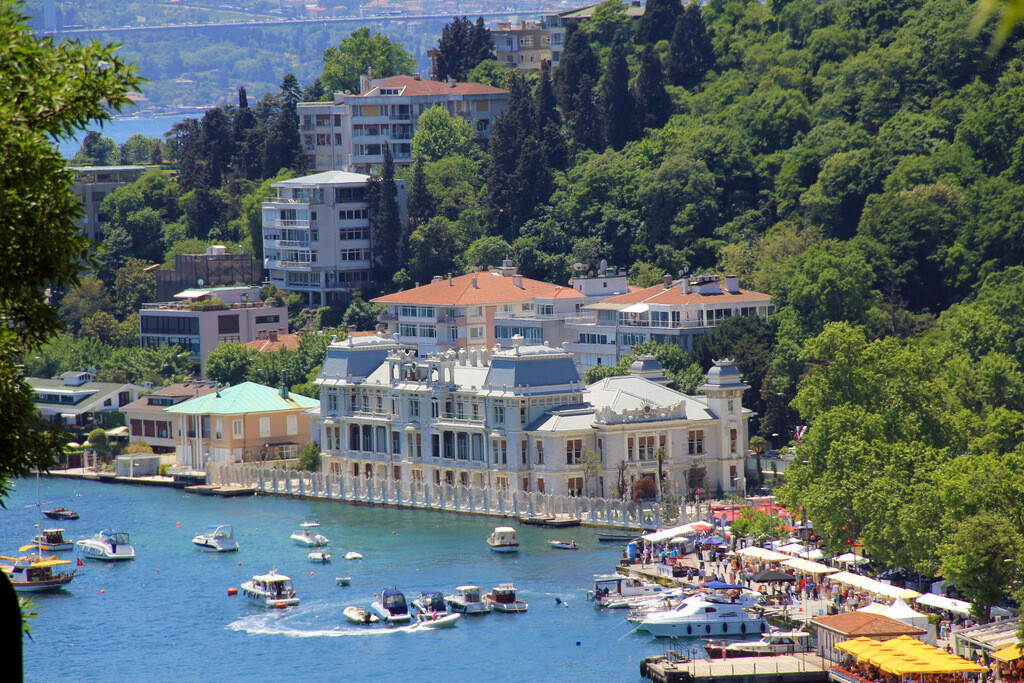
Continuing north along the Bosphorus, the atmosphere gradually becomes calmer as you reach Bebek. The movement and energy of Ortaköy give way to a more refined and residential environment, shaped by the curve of a quiet bay and the rhythm of daily life along the waterfront.
Although Bebek is often associated with luxury cafés, expensive properties, and a high-profile lifestyle, this character has deeper historical roots. Since the 18th century, the area has served as a preferred retreat for Ottoman elites, who built waterfront mansions here to escape the density of the Historic Peninsula. In this sense, Bebek has long been part of the Bosphorus “summer residence” culture, rather than a recent development.
Traces of this past can still be seen along the shoreline. The elegant Egyptian Consulate building, originally a late Ottoman waterfront residence, reflects the aristocratic identity of the neighborhood. Nearby, the Bebek Mosque, designed in the early 20th century, offers a more restrained architectural presence compared to the ornate mosques of Ortaköy, quietly anchoring the area in its historical context.
Today, Bebek is best experienced at a slower pace. The waterfront promenade, extending from Ortaköy through Arnavutköy to Bebek, is one of the most popular walking routes in Istanbul. Locals come here to walk, exercise, or simply spend time by the water.
I have walked this route many times over the years, often in spring when the city feels at its most balanced. Reaching Bebek after a long walk along the Bosphorus, sitting under the trees with a coffee, and watching the movement of the water is one of the simplest yet most complete experiences Istanbul offers.
12. Rumeli Hisarı
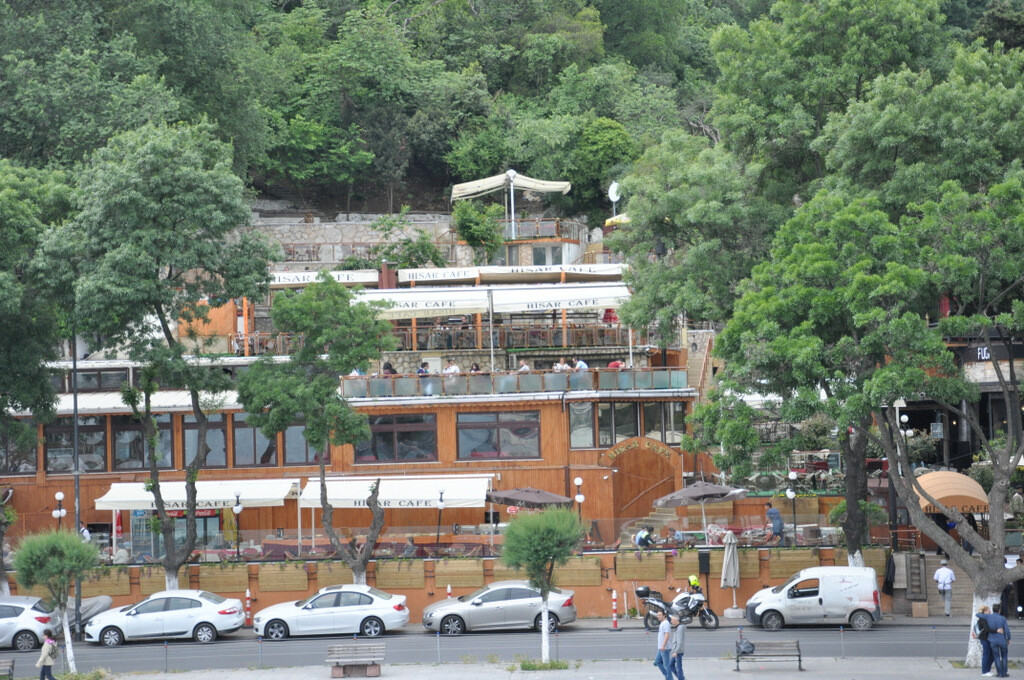
Further up the strait, the landscape narrows and the atmosphere becomes more dramatic. This is where you arrive at Rumeli Hisarı, a neighborhood defined by one of the most strategic points in Istanbul’s geography.
The fortress itself was built in 1452 by Sultan Mehmed II, just one year before the conquest of Constantinople. Positioned at the narrowest point of the Bosphorus, it was designed to control maritime traffic and prevent any aid from reaching the Byzantine capital. For this reason, it was historically known as “Boğazkesen”—the “Strait-Cutter.”
Together with the older Anadolu Hisarı on the opposite shore, the fortress effectively turned the Bosphorus into a controlled passage, playing a decisive role in the events that would soon reshape the city.
Today, the setting feels very different. The massive stone towers still dominate the landscape, but around them has grown a quiet neighborhood where daily life unfolds at a slower pace. Wooden houses climb the steep streets, and small cafés line the waterfront, creating a striking contrast between the site’s military past and its present atmosphere.
For many Istanbulites, Rumeli Hisarı is best known as a weekend destination. Sitting by the water, watching ships pass through one of the busiest straits in the world, has become a simple but cherished ritual.
Yet the deeper significance of the place remains visible for those who look beyond the surface. Walking through the narrow streets or climbing slightly uphill, you begin to understand why this exact location was chosen—how geography, strategy, and history converge in a single point along the Bosphorus.
13. Sarıyer
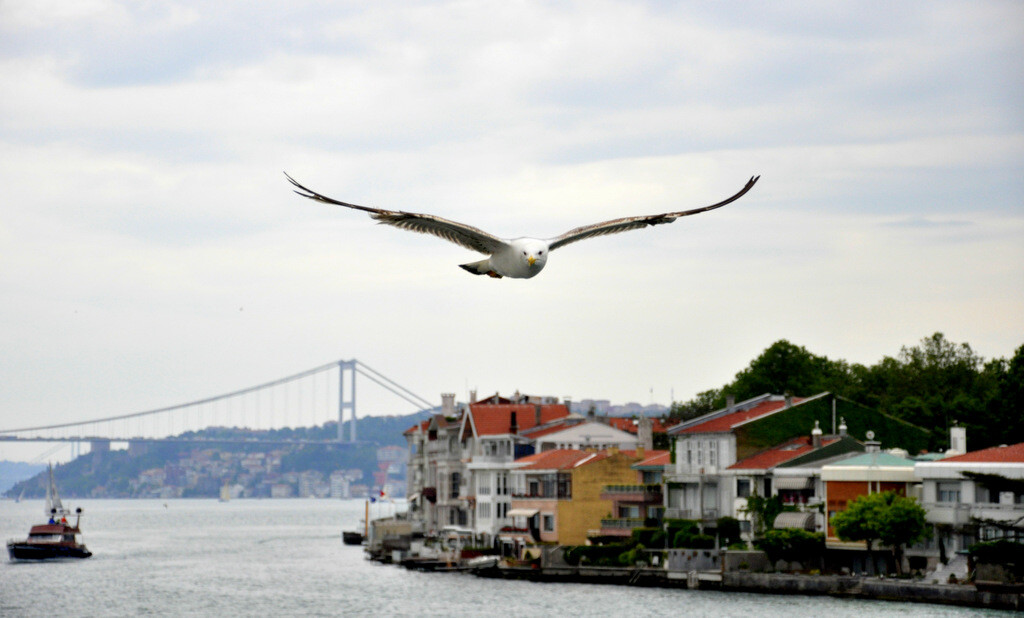
Moving beyond the fortress walls, the Bosphorus gradually widens and the character of the city begins to change. By the time you reach Sarıyer, Istanbul feels less like a dense metropolis and more like a coastal landscape opening toward the Black Sea.
Historically, this area was associated with retreat and renewal. During the Byzantine period, nearby bays such as Tarabya (ancient Therapia) were known for their clean air and were used as places of recovery. In the 19th century, this tradition continued in a different form, as European diplomats established their summer residences along the Bosphorus in districts like Tarabya and Büyükdere. For a period of time, the center of international diplomacy in Istanbul shifted here during the warmer months.
Today, traces of this layered past can still be seen along the shoreline. Elegant waterfront mansions line the coast, while quieter neighborhoods preserve a slower rhythm of life compared to central districts. At the same time, Sarıyer also reflects a more traditional side of Istanbul, particularly through its long-standing fishing culture and local food traditions.
For visitors, one of the most enjoyable ways to reach Sarıyer is by taking a Şehir Hatları ferry from Eminönü. This journey follows the Bosphorus all the way to its northern edge, offering a natural progression through the city’s different layers before arriving in a less touristic environment.
Beyond the waterfront, Sarıyer also provides access to some of Istanbul’s most important green spaces. The nearby Belgrad Forest, once a vital water source for the city, remains one of the largest natural areas in Istanbul.
For those interested in cultural depth, the Sadberk Hanım Museum, located in a historic waterfront mansion, offers a rich collection of archaeological and Islamic artifacts. In many ways, it serves as a quiet counterpart to the museums of the Historic Peninsula—less crowded, but equally rewarding.
Sarıyer is not defined by a single landmark or experience. It is better understood as a gradual transition—where the Bosphorus meets the Black Sea, and where Istanbul begins to feel less like a capital and more like a landscape.
14. Şişli
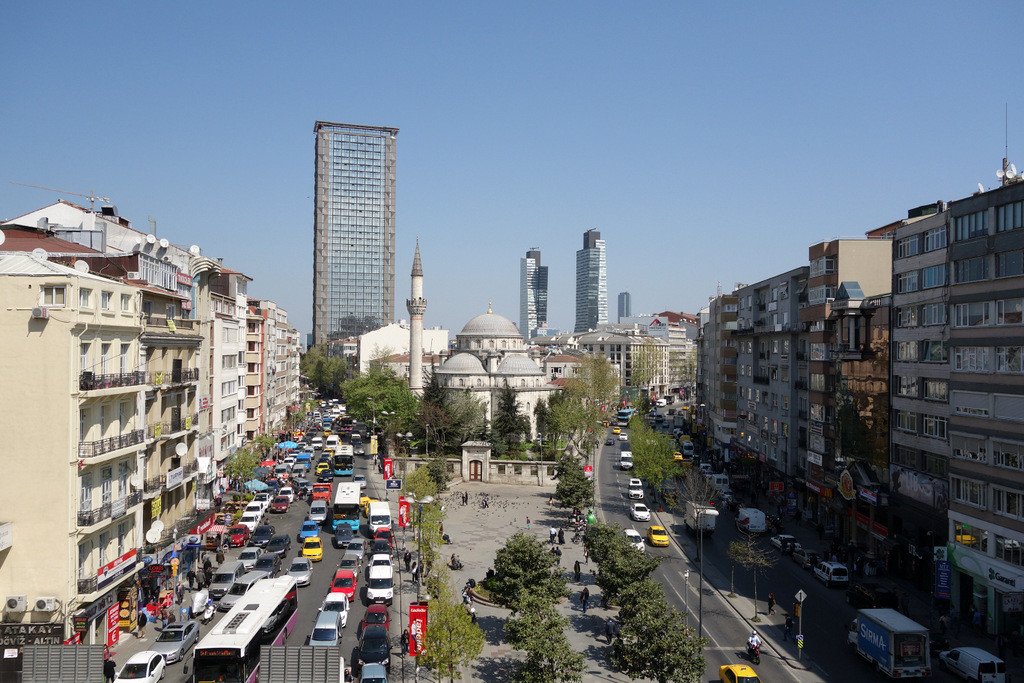
Returning from the Bosphorus to the inner parts of the city, Şişli represents a different phase of Istanbul’s transformation—one shaped not by empires or waterfront life, but by modernization and urban expansion.
Unlike the historic districts along the Golden Horn or the Bosphorus, Şişli developed primarily in the late 19th and early 20th centuries, when Istanbul began to move beyond its traditional boundaries. As fires and population growth pushed residents outward from Pera, new neighborhoods emerged here, introducing a different way of living.
This was where Istanbul transitioned from wooden mansions to apartment life. Wide streets such as Halaskargazi and Valikonağı became lined with multi-story stone buildings, reflecting European architectural influences and the rise of a new urban middle and upper class.
At the heart of this transformation lies Nişantaşı, one of the most distinctive areas within Şişli. Its name comes from the historical target stones (nişan taşları) that once marked imperial archery grounds. Today, the neighborhood is known for its elegant streets, fashion boutiques, and long-standing café culture, yet traces of its past remain visible in details that are easy to overlook.
Walking through these streets, you begin to notice a different kind of history—less monumental, but equally revealing. The atmosphere recalls a quieter, more introspective version of Istanbul, often associated with the city’s 20th-century literary and cultural memory.
Şişli also reflects another layer of the city’s evolution through areas such as Bomonti, where former industrial structures have been repurposed into cultural spaces. The Bomontiada complex, together with the Ara Güler Photography Museum, connects the district to Istanbul’s more recent past, offering a visual narrative of the city in the mid-20th century.
Today, Şişli brings together different aspects of contemporary Istanbul. Modern shopping centers, corporate offices, historic apartment buildings, and cultural venues all coexist within the same district. Its proximity to both Taksim and the Bosphorus makes it one of the most accessible and practical areas for everyday life.
Şişli is not defined by a single landmark, but by a way of living—one that reflects Istanbul’s shift into the modern age.
15. Kadıköy
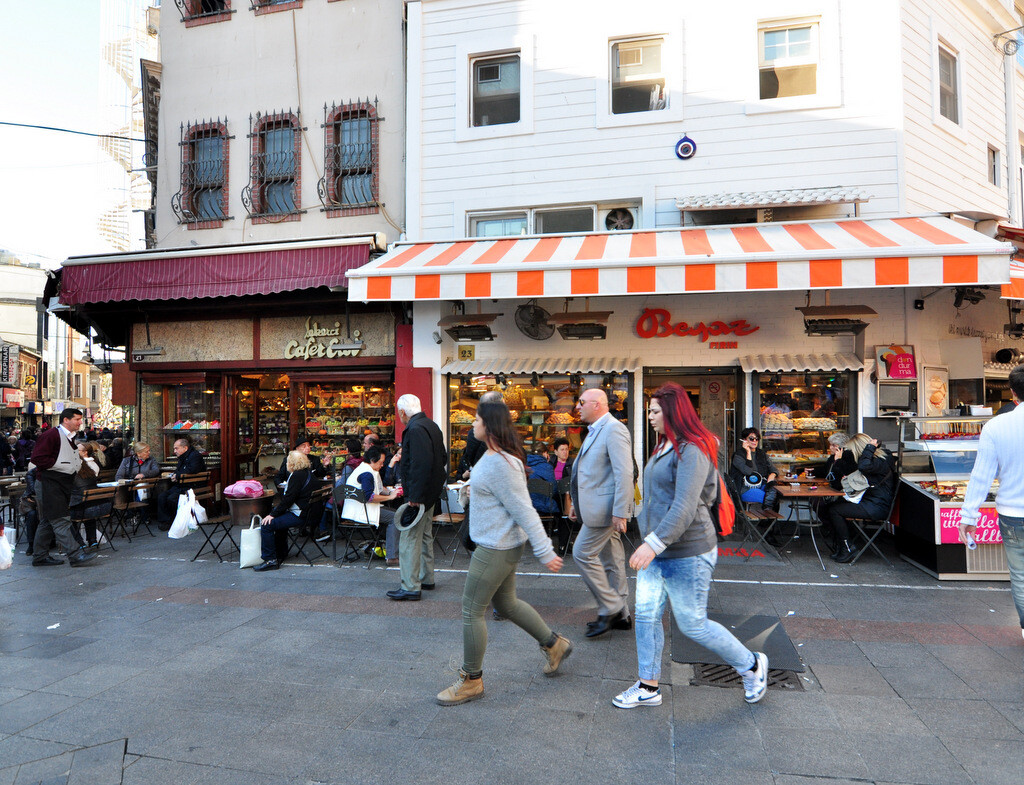
Crossing to the Asian side of Istanbul is not just a change of location—it is a shift in perspective. Leaving behind the monumental and often crowded districts of the European side, you arrive in Kadıköy, where the city reveals a more local and lived-in rhythm.
Unlike areas such as Sultanahmet or Beyoğlu, Kadıköy is not defined by imperial landmarks. Instead, it is shaped by everyday life—by markets, cafés, street food, and the constant movement of people through its streets.
Yet beneath this relaxed surface lies a much older story. Long before the foundation of Byzantium, this area was known as Chalcedon, established in the 7th century BC. According to ancient tradition, its founders were called “the blind,” for choosing this shore instead of the far more strategic peninsula across the Bosphorus.
Centuries later, Kadıköy would again take on a central role in history. In 451 AD, the Council of Chalcedon, one of the most important gatherings in early Christian history, took place here, shaping theological debates that would influence the course of the religion.
Today, these layers are not immediately visible—but they remain present beneath the surface.
Walking through the Kadıköy Market, you encounter one of the most vibrant food cultures in the city. Fishmongers, spice shops, traditional confectioneries, and small restaurants create a dense and lively environment that reflects the daily life of Istanbul. Streets such as Bahariye extend this energy further, blending local shops, historic buildings, and cultural venues.
From here, the atmosphere gradually softens as you move toward Moda, where seaside paths, tea gardens, and open views of the Marmara Sea offer a slower pace of life.
Kadıköy is not a place built around monuments. It is a place where Istanbul is lived—through food, conversation, music, and shared routines that continue day after day.
For me, this district is also personal. It is where I was born and raised, and where I learned to understand the city not through its monuments, but through its rhythm.
16. Moda
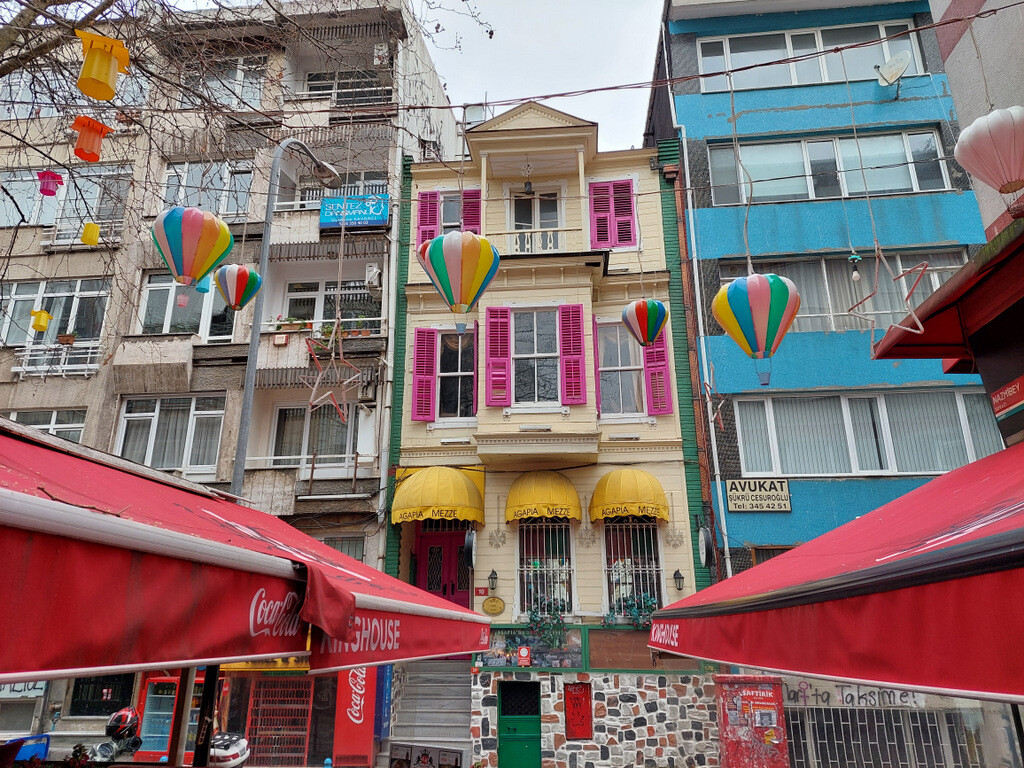
Walking south from the busy streets of Kadıköy, the atmosphere gradually begins to change. The noise of the market fades, the streets open up, and the pace of the city slows. This is where Moda begins—a neighborhood that feels more spacious, more reflective, and closely connected to the sea.
Historically, Moda developed in the 19th century as a preferred residential area for Levantine families, particularly of British origin. Its very name reflects this past, associated with a period when the district became a fashionable place to live on the Asian side of the city. Traces of this heritage can still be seen in the architecture, from elegant houses to landmarks such as the All Saints Anglican Church, quietly set within the neighborhood.
Over time, Moda also became associated with artists, writers, and musicians. The house of Barış Manço, now a museum, reflects this cultural layer and adds to the neighborhood’s identity as a place shaped not only by history, but also by creativity.
Today, Moda offers one of the most balanced urban experiences in Istanbul. The seaside paths open toward the Marmara Sea and the Princes’ Islands, while tree-lined streets provide a quieter contrast to the intensity of central Kadıköy. The area’s cafés, small restaurants, and independent venues contribute to a more relaxed and local atmosphere.
In recent years, parts of Istanbul’s alternative nightlife have also shifted toward Moda, particularly around streets such as Kadife Street, where smaller venues and live music spaces reflect a more informal and accessible side of the city.
For me, Moda has always felt like a natural extension of Kadıköy—but one that invites you to slow down. After walking through the crowded market streets, reaching the coastline here and sitting by the water creates a sense of balance that is difficult to find elsewhere in the city.
17. Üsküdar
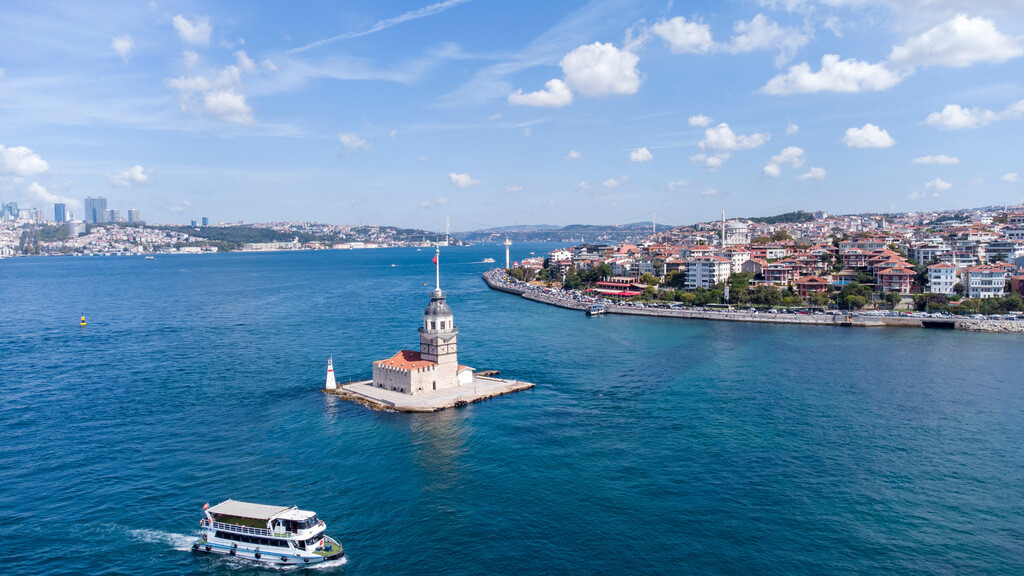
Crossing from Kadıköy toward Üsküdar, the atmosphere shifts once again. The lively and outward-looking rhythm of Kadıköy gives way to a more introspective and traditional environment. In many ways, Üsküdar represents the quieter, more contemplative side of Istanbul.
This area has been inhabited for thousands of years. In antiquity, it was known as Chrysopolis, a settlement that marked the endpoint of major trade routes arriving from Asia. Long before the rise of Constantinople, this shoreline already functioned as a place of transition—where goods, people, and ideas moved between continents.
During the Ottoman period, Üsküdar took on a different kind of significance. It became the starting point for journeys toward the holy cities of Mecca and Medina, giving the district a strong spiritual identity. This character is still visible today, particularly in the skyline shaped by mosques built by members of the imperial family.
Among them, the Mihrimah Sultan Mosque, designed by Mimar Sinan for the daughter of Süleyman the Magnificent, stands prominently along the waterfront. Nearby, smaller yet equally meaningful structures such as the Şemsi Paşa Mosque reflect a more intimate architectural approach—placed directly at the edge of the water, where the city meets the Bosphorus.
Walking along the coastline toward Salacak, you encounter one of the most iconic views of Istanbul. From this perspective, the historic peninsula appears across the water, with the silhouettes of Hagia Sophia and Topkapı Palace rising above the skyline. It is a view that many visitors recognize—but few fully experience.
Unlike the districts on the European side, Üsküdar is not built around spectacle. Its identity lies in continuity—of daily routines, of traditions, and of a slower way of engaging with the city.
18. Kuzguncuk
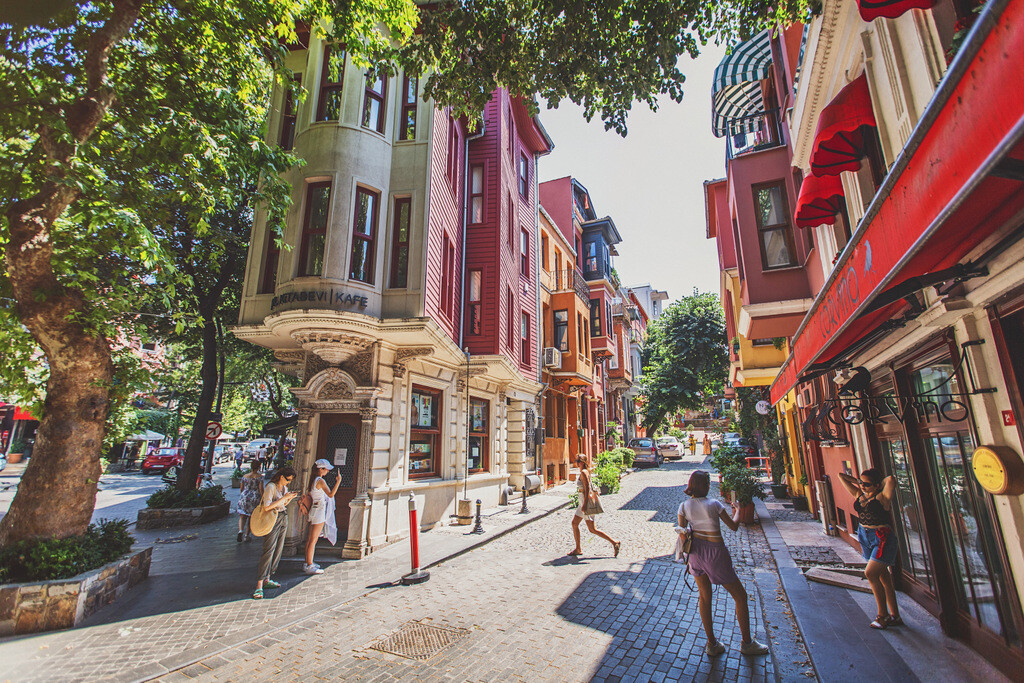
Walking north along the Bosphorus from Üsküdar, the scale of the city begins to change once again. Monumental structures give way to smaller streets, wooden houses, and a neighborhood atmosphere that feels more intimate and grounded. This is Kuzguncuk—one of the most distinctive residential areas in Istanbul.
At first glance, many visitors are drawn to its colorful wooden houses and quiet streets. But beyond this visual charm lies a much deeper story rooted in coexistence and continuity.
Historically, Kuzguncuk developed as a multi-cultural settlement, home to Jewish, Armenian, Greek, and Muslim communities. Even today, this layered past remains visible in the urban fabric. Within a short walking distance, you encounter a mosque, a synagogue, and churches that have stood here for generations—not as isolated monuments, but as parts of a shared neighborhood.
What makes Kuzguncuk particularly unique is how this history is embedded in everyday life rather than presented as a spectacle.
At the center of the neighborhood, the Kuzguncuk Bostanı offers a rare glimpse into Istanbul’s past. Surrounded by buildings, this open green space has functioned as a community garden for centuries, where residents continue to grow vegetables and maintain a direct connection to the land. In a city of over 15 million people, this continuity feels almost unexpected.
Walking through the streets, details such as traditional shop names—like Simitçi Tahir Street or Tenekeci Musa Street—reflect an older urban culture shaped by local crafts and small-scale businesses. Along İcadiye Street, independent cafés and neighborhood shops continue this pattern, preserving a slower and more personal rhythm of life.
For me, Kuzguncuk has always felt like a reminder that Istanbul is not only a city of empires, but also a city of neighborhoods. After spending time among monumental structures and grand narratives, walking through these streets brings the experience back to a human scale.
19. Çengelköy
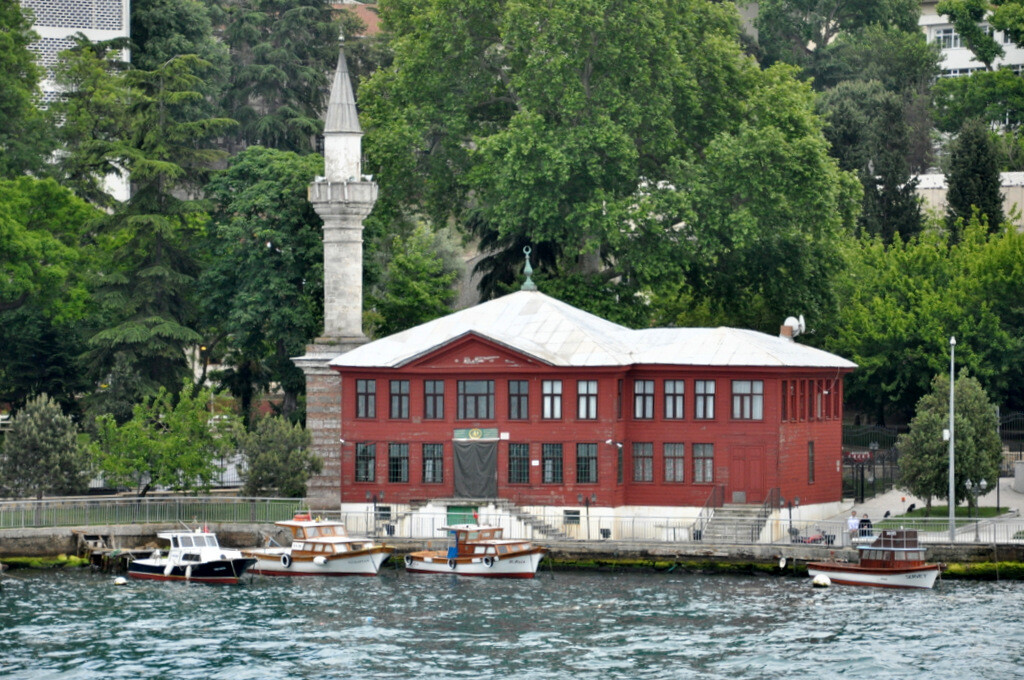
As the coastline winds upwards past Kuzguncuk, the atmosphere becomes noticeably quieter. The dense urban fabric gives way to a more intimate setting, where the relationship between the neighborhood and the water feels closer and more direct. This is Çengelköy—a place defined less by monuments and more by rhythm.
Although today it is known as a peaceful residential district, the history of Çengelköy reaches much further back. In the Byzantine period, this area was associated with imperial retreat. Known as Ta Sophianae, it is believed to have hosted a summer residence built for Empress Sophia in the 6th century. Long before it became a neighborhood, this coastline already functioned as a place of rest and withdrawal from the intensity of the city.
During the Ottoman period, Çengelköy continued to develop as a Bosphorus settlement shaped by daily life rather than imperial display. The shoreline, lined with wooden mansions such as the elegant Sadullah Pasha Mansion, reflects a quieter architectural tradition compared to the monumental palaces of the European side.
At the center of the district stands one of its most defining elements: the historic Çınaraltı. Beneath the wide branches of this centuries-old plane tree, the rhythm of the city slows down. People gather not for spectacle, but for routine—drinking tea, talking, and watching the movement of the Bosphorus.
This atmosphere is reinforced by a long-standing local custom. Visitors often bring food from nearby bakeries or small shops and sit by the water with only a glass of tea. In a city that constantly moves, this simple act creates a rare sense of continuity.
For many locals, Çengelköy also carries a nostalgic layer. Scenes filmed here in the 1990s have shaped how the neighborhood is remembered, reinforcing its image as a place where everyday life unfolds at a slower, more human pace.
Çengelköy is not a destination built around highlights. It is a place where Istanbul becomes quieter—where the city is not observed, but experienced through time, routine, and the sound of the water.
20. Beylerbeyi
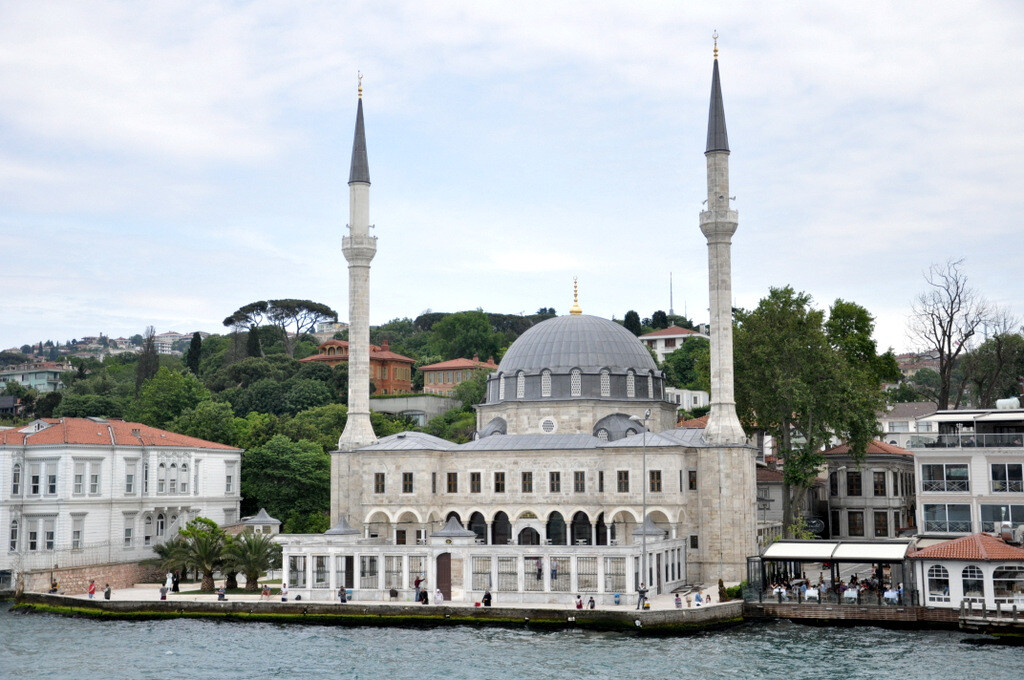
Continuing along the Bosphorus from Çengelköy, the atmosphere shifts once more. The modest, village-like rhythm of the previous neighborhoods gives way to a more refined and composed setting. This is Beylerbeyi—a district where the elegance of the Ottoman Empire meets the quiet character of the Asian shore.
The name itself reflects this identity, referring to a high-ranking Ottoman governor who once resided here. From its early history, Beylerbeyi was associated with authority and prestige, a pattern that continued into the 19th century with the construction of the Beylerbeyi Palace.
Built during the reign of Sultan Abdülaziz, the palace was designed not as a primary seat of power, but as a summer residence and state guest house. Foreign dignitaries, including Empress Eugénie of France, were received here, making it one of the most important diplomatic spaces of the late Ottoman period. Architecturally, it reflects the same Western-influenced style seen in Dolmabahçe, but in a more intimate and controlled scale.
Yet Beylerbeyi Palace is not only a place of ceremony—it also carries a quieter, more somber layer of history. After being deposed, Sultan Abdülhamid II spent his final years here in confinement, transforming the palace from a place of reception into one of reflection and isolation. This duality—between grandeur and melancholy—remains part of its atmosphere.
Today, one of the most striking aspects of Beylerbeyi is the visual contrast created by its setting. The elegant 19th-century palace stands directly beneath the massive structure of the Bosphorus Bridge, forming one of the clearest expressions of Istanbul’s layered identity. In a single frame, the past and the present exist side by side.
Beyond the palace, the neighborhood continues along smaller streets and the waterfront, where local cafés, fishermen, and daily routines maintain a quieter pace of life. This balance between imperial memory and everyday rhythm defines Beylerbeyi.
Ending a journey through Istanbul here feels natural. After moving through centuries of history, different districts, and shifting atmospheres, Beylerbeyi brings these layers together—offering a final perspective on a city that is constantly changing, yet deeply connected to its past.
Conclusion
Istanbul is often described as a city of contrasts—but what truly defines it is continuity.
Across these neighborhoods, what appears at first as difference gradually reveals itself as connection. From the monumental spaces of the Historic Peninsula to the quieter streets along the Bosphorus, from the structured avenues of Beyoğlu to the lived-in rhythm of Kadıköy and beyond, each district reflects a different moment in the same ongoing story.
Empires have risen and fallen here, yet the city has never been defined by a single era. Instead, it has absorbed each layer and carried it forward—sometimes visibly, sometimes beneath the surface.
Understanding Istanbul, therefore, is not about seeing everything, but about learning how to read it.
A walk through one neighborhood leads naturally to another, and over time, the city begins to feel less like a collection of places and more like a continuous landscape shaped by memory, movement, and everyday life.
In the end, Istanbul is not a destination to be completed, but a city to return to—each time with a different perspective.
Written by Serhat Engul, licensed tour guide, Istanbul

Leave a Reply