I was born in Istanbul and have spent most of my life walking its streets. Over the past twenty years, I have also seen the city through the eyes of thousands of visitors while working as a professional tour guide. What I learned during that time is that Istanbul cannot be understood by visiting only its most famous monuments. Its true character reveals itself gradually — in the neighborhoods beyond the historic center, in the rhythm of daily life, and in the layers of history that remain visible throughout the city.
Many first-time visitors arrive with a clear list of landmarks: Hagia Sophia, the Blue Mosque, the Topkapi Palace. These places are essential, but they represent only one part of a much larger whole. Istanbul is a city of extraordinary scale, shaped by successive civilizations over more than two millennia. Byzantine emperors, Ottoman sultans, merchants, writers, and ordinary residents all left their mark here. As a result, the experience of the city extends far beyond a single district or a single historical period.
Even today, after decades of living and working here, I continue to discover new details. Sometimes this happens while walking through a familiar neighborhood at a different time of day. At other times, it comes from observing how visitors react to places that I have seen countless times. These moments reinforce something I have come to understand clearly: Istanbul is not a city that reveals itself all at once. It must be experienced gradually, through movement, observation, and time.
This guide brings together twenty-five experiences that reflect the different dimensions of Istanbul — its monuments, neighborhoods, traditions, viewpoints, and daily life. Each of them represents a part of the city that I have come to know through years of walking, guiding, and observing. Taken together, they offer a deeper and more complete understanding of Istanbul.
Best Things to Do in Istanbul (2026)
The list below is not intended as a checklist to be completed in a few days. Instead, it presents a framework for understanding the city. Some of these experiences take place within the historic peninsula, where the remains of Constantinople and the monuments of the Ottoman Empire still define the urban landscape. Others lead to districts along the Bosphorus, the Asian side of the city, or the quieter areas beyond the main tourist routes.
What connects these places is not simply their historical importance, but their role in shaping the lived experience of Istanbul. Certain locations reveal the city’s imperial past, while others reflect its modern identity. Some are widely known, while others are encountered more gradually, often through exploration beyond the main landmarks.
Over the years, I have visited each of these places repeatedly — sometimes while guiding visitors, sometimes on my own. My understanding of them has changed over time, shaped by observation, experience, and the evolving character of the city itself. For this reason, the following sections do not present Istanbul as a static collection of monuments, but as a living city that continues to change while preserving visible traces of its past.
1. Historical Places in Sultanahmet

I was born and raised in Istanbul, and I have spent more than 20 years working in Sultanahmet. Even today, when I walk through this district early in the morning before the crowds arrive, I still feel the same sense of anticipation I felt when I first began my career. This small area was once the political center of three great empires — Roman, Byzantine, and Ottoman — and the most important monuments of the city still stand here, within a few minutes’ walk of each other.
Very little remains of the Great Palace where Byzantine emperors ruled for centuries. Yet when the Ottomans conquered Constantinople, they chose the same peninsula to build Topkapi Palace, continuing the tradition of imperial residence in this exact location. Hagia Sophia and the Blue Mosque rise nearby, facing each other across Sultanahmet Square, silently reflecting the transition between two world empires. When I guide visitors through this area, I often remind them that they are not just seeing isolated monuments, but walking through the administrative and symbolic heart of successive civilizations.
Tourist crowds begin to increase in late March, during what we locally call the tulip season, and continue until November. Yet the real experience of Sultanahmet begins when you slow down and look beyond the checklist. The Egyptian Obelisk in the Hippodrome has stood here for over 3,500 years — long before Constantinople was founded.
Hagia Sophia has witnessed the coronation of emperors and the transformation of religions. Topkapi Palace served as the home of 25 Ottoman sultans, where the empire was governed for nearly 400 years. Even after decades of returning here almost every day, I still discover new details. Sultanahmet is not a place you fully understand in a single visit — it is a place that reveals itself gradually over time.
2. Shopping in the Grand Bazaar
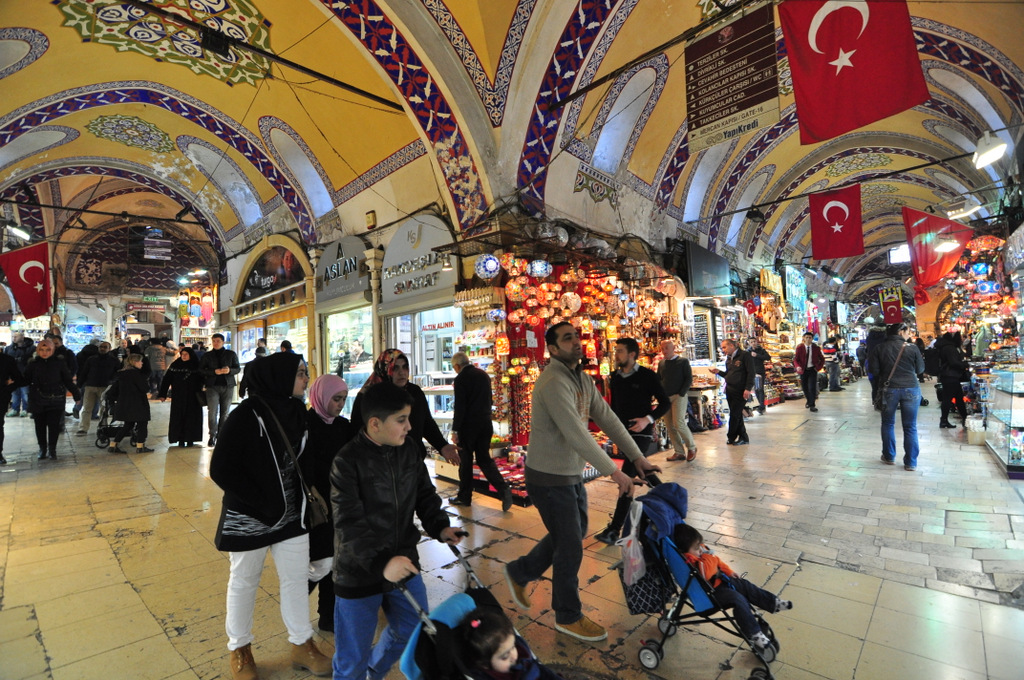
After spending the day in Sultanahmet, I usually continue walking uphill toward the Grand Bazaar. Built shortly after the Ottoman conquest in 1461, this historic market has remained active for more than five centuries. Even today, it still functions as a living commercial center rather than a preserved monument.
To be honest, the Grand Bazaar has never been my personal favorite historical structure in Istanbul. Architecturally, I have always felt a stronger connection to places like Hagia Sophia or the quieter Byzantine churches scattered across the city. Yet I cannot deny that something would feel incomplete in a first-time visit to Istanbul without stepping inside the Grand Bazaar. Its scale alone is remarkable — not just as a marketplace, but as a self-contained urban structure that has functioned continuously for over 500 years.
The bazaar is essentially a vast labyrinth of covered streets, and getting lost inside is part of the experience. This happens not only to visitors but sometimes even to guides who have walked these streets countless times. Over the years, I developed a simple habit: I always remember the gate number where I entered. Each entrance is clearly marked, and knowing that number makes it surprisingly easy to find your way back.
The Grand Bazaar contains thousands of small shops spread across dozens of streets, and walking beneath its vaulted ceilings still gives a sense of Istanbul’s historical role as a bridge between continents. Even for visitors who are not interested in shopping, spending time here helps to understand the commercial life that has shaped the city for centuries.
3. Visiting Spice Bazaar
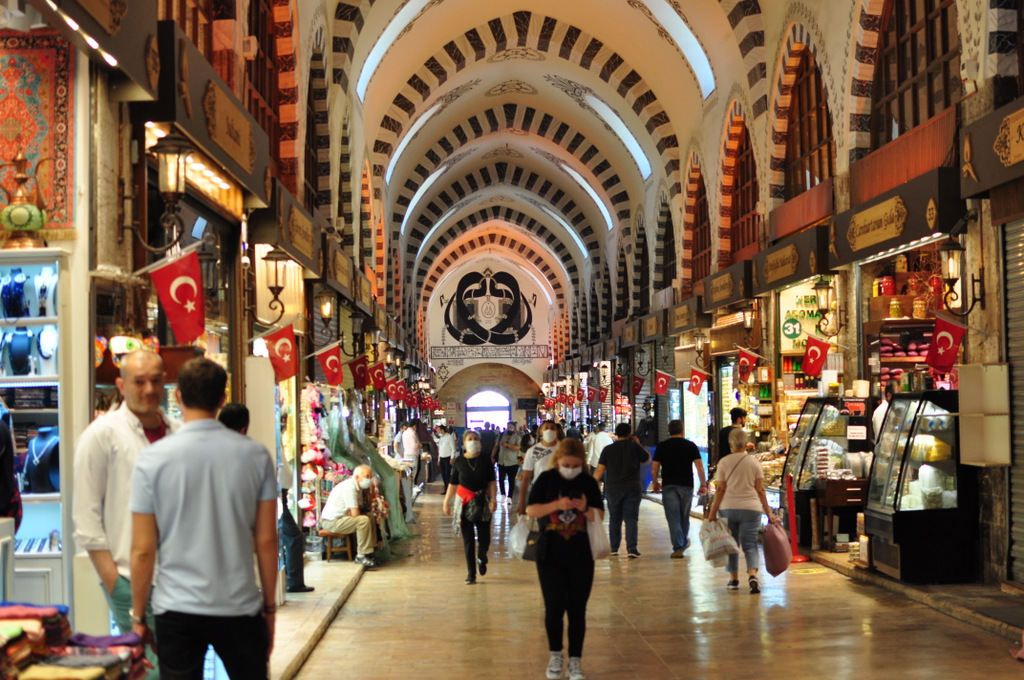
The Spice Bazaar has always fascinated me, not only because of its history but because of its atmosphere. Built in the 17th century as part of the New Mosque complex, it is smaller and more structured than the Grand Bazaar, with a symmetrical layout that feels easier to navigate. The interior decorations, the proportions of the corridors, and the filtered light from the domes create a very distinct environment.
However, I never think of the Spice Bazaar as just a single building. For me, it is part of a much larger network centered around Eminönü. When locals talk about the Spice Bazaar, they often mean the entire surrounding neighborhood. Many people have their favorite coffee shop, spice merchant, or cheese seller here — shops they have visited for years. Interestingly, these trusted shops are often located not inside the bazaar itself but in the surrounding streets.
The square in front of the New Mosque is one of the most dynamic areas of historic Istanbul. Behind it, smaller streets lead to places like Rustem Pasha Mosque, which contains some of the finest Iznik tiles in the city. Whenever I walk through Eminönü, I am reminded that this district is not just a historic marketplace, but an active part of the city’s daily life that continues to function much as it has for centuries.
4. Trailing the Genoese at Karaköy

When I first began studying the history of Istanbul, I was surprised to learn how important the Genoese and Venetians were to the city’s development. While the Byzantine and Ottoman empires dominate most historical narratives, these maritime republics played a crucial role in shaping the commercial life of Constantinople.
During the Byzantine period, Karaköy was known as part of “Pera,” meaning “the other side.” It was physically separated from the imperial center across the Golden Horn. One end of the massive defensive chain that protected the city’s harbor was anchored here, while the imperial palace stood across the water. The Genoese established a powerful trading colony in this district, and from here they transported valuable goods such as silk and spices from Asia to Europe.
Today, I still enjoy walking through the back streets of Karaköy and Galata, where traces of this medieval trading world remain visible. The Galata Tower, built by the Genoese, still dominates the skyline. Nearby stands Arap Mosque, originally constructed as the Church of San Domenico by Dominican monks. Seeing a Catholic church built by Italian merchants in what was once the heart of Orthodox Constantinople reveals how complex and layered the city’s history truly is.
5. Taking a Walk in Fener and Balat

I first began guiding walks in Fener and Balat in 2008, when I explored the area with a friend from a photography club to design a walking route. At that time, these neighborhoods felt quiet and somewhat overlooked. There were only a few small restaurants and cafés, and most of the streets were known mainly to locals and photographers interested in historic architecture. As I returned over the years, I gradually became familiar not only with the streets themselves but also with the shop owners, the caretakers of the churches, and the daily rhythm of the neighborhood.
Fener and Balat developed as residential districts where Greek Orthodox, Armenian, and Jewish communities lived during the Ottoman period. Their churches, synagogues, and traditional houses still stand today, preserving the multicultural character that defined this part of the city for centuries. Walking here, it is still possible to see how religious, commercial, and residential life coexisted within the same compact urban fabric.
What has changed most visibly over the past two decades is the atmosphere of the streets themselves. When I first walked here in 2008, Vodina Street — the main axis connecting the Greek Patriarchate in Fener to the Ahrida Synagogue in Balat — had only a handful of cafés. Today, that same street is lined with dozens of small, independently run retro cafés, antique shops, and local businesses. Despite this transformation, the essential character of the neighborhood remains intact. Walking through Fener and Balat today offers a rare opportunity to experience both the historical continuity and the evolving urban life of Istanbul within the same streets.
6. Having Breakfast on the Bosphorus
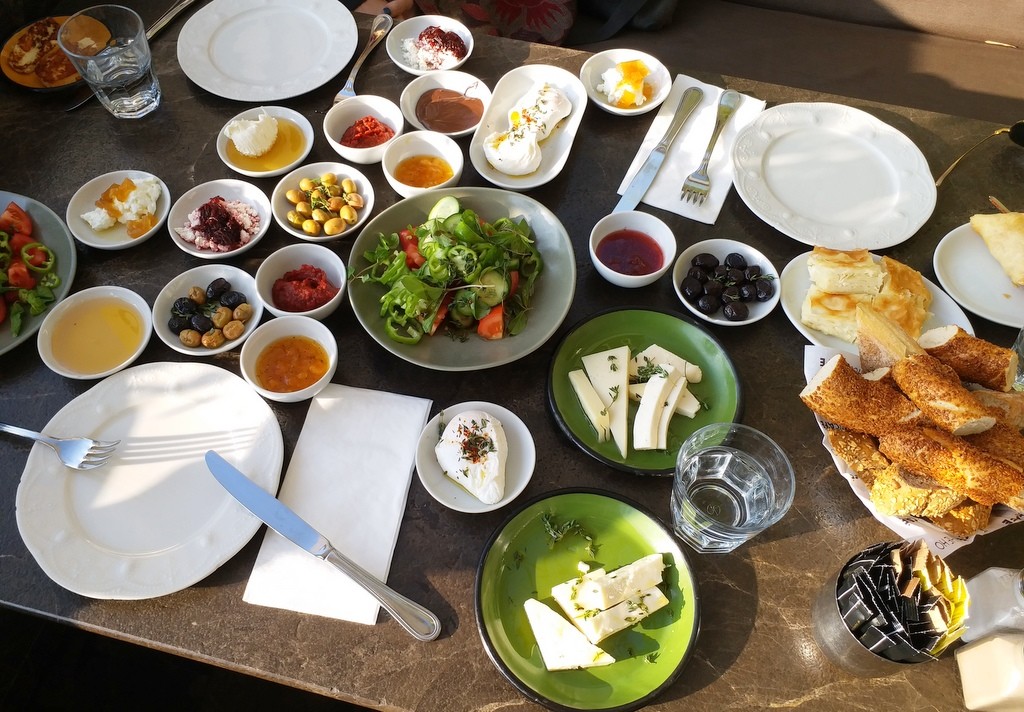
Along the shores of the Bosphorus, breakfast is not simply a meal — it is part of Istanbul’s social life. On weekends, the waterfront neighborhoods begin to fill early, as families, couples, and groups of friends gather at seaside cafés. Sitting close to the water while ferries pass slowly in the background creates a rhythm that defines daily life in the city.
Although I do not go out for breakfast as often as I did in the past, I still remember how much I enjoyed those mornings. Like many Istanbul residents, I spent countless weekends in places such as Ortaköy, Bebek, and Rumeli Hisarı on the European side, or Üsküdar, Beylerbeyi, and Çengelköy on the Asian side. One place I especially liked was The House Cafe in Ortaköy. From its terrace, you could watch the Bosphorus, observe the nostalgic ferries approaching the pier, and feel the lively atmosphere of Ortaköy Square just a few steps away.
For visitors, having breakfast along the Bosphorus offers more than good food. It provides a chance to experience the city the way locals do — slowly, without rushing, and in direct connection with the water that has shaped Istanbul’s identity for centuries.
7. Visiting Historical Turkish Baths
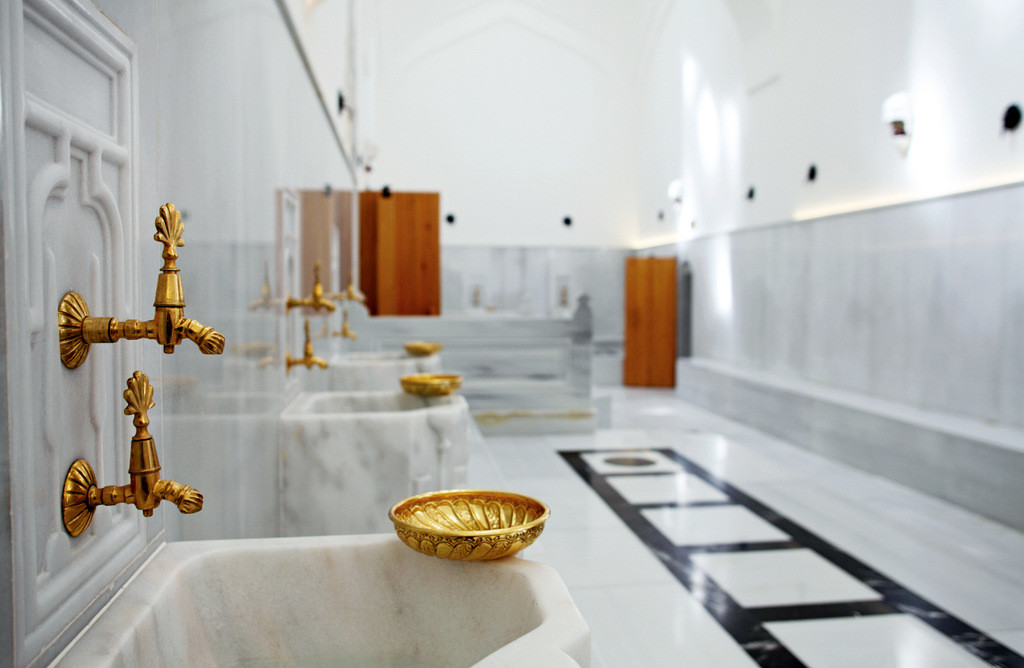
For over five centuries, Turkish baths have been part of Istanbul’s architectural and cultural fabric. Many of the city’s historic hammams were designed by Mimar Sinan, the chief architect of the Ottoman Empire, and built not only as places of cleansing but also as social institutions.
In the past 20 years, I have witnessed how interest in Turkish baths has grown alongside the rise of tourism in Istanbul. Several historic hammams around Sultanahmet, including Hürrem Sultan Hammam, Cağaloğlu Hammam, and Çemberlitaş Hammam, have regained their prominence. Hürrem Sultan Hammam, located between Hagia Sophia and the Blue Mosque, is particularly interesting. For many years it functioned as a carpet museum, but after an extensive restoration in the early 2010s, it reopened as a fully operational Ottoman bath, restoring the original purpose envisioned by Sinan in the 16th century.
Experiencing a traditional hammam today allows visitors to enter a space that has changed very little in its architectural essence. The domed ceilings, marble interiors, and filtered light create an atmosphere that connects the present with centuries of uninterrupted tradition.
8. Walking from Ortaköy to Bebek
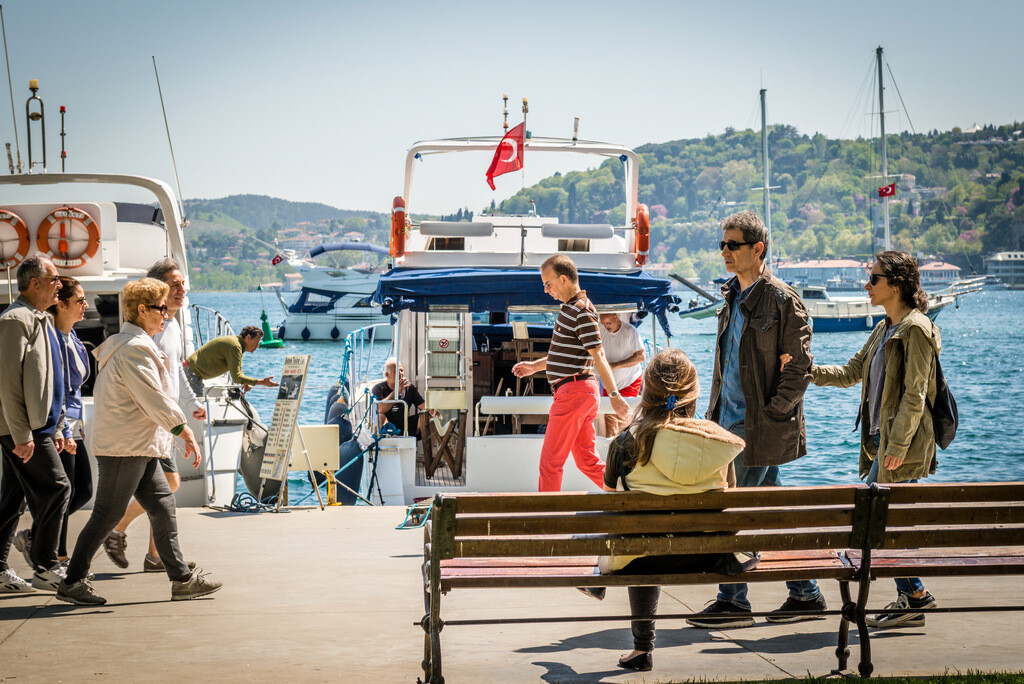
The shoreline between Ortaköy and Bebek is one of the most pleasant walking routes along the Bosphorus. This stretch follows the natural curve of the strait, offering continuous views of the water, historic waterfront mansions, and passing ferries. The gentle sea breeze and open views make it a favorite route for both locals and visitors.
I have walked this route many times at different stages of my life, often in spring when Istanbul feels especially alive. In April and May, when the weather becomes mild again, this walk reminds many residents why they chose to live in this city. I remember repeating this walk dozens of times in the late 2000s, and those afternoons remain closely tied to my personal memories of Istanbul. Perhaps that is why I still consider it one of the most refined and enjoyable experiences the city offers.
When you reach Bebek, the atmosphere becomes calmer. Many people stop here to sit at a café, have coffee, and watch the Bosphorus. The combination of movement, scenery, and quiet moments makes this walk one of the most complete ways to experience the waterfront.
9. Taking a Bosphorus Cruise

The Bosphorus has always been the defining geographical feature of Istanbul, separating two continents while simultaneously connecting them. Seeing the city from the water reveals its true scale, with palaces, mosques, fortresses, and waterfront neighborhoods unfolding along both shores.
When I am guiding visitors, I often choose the shorter Bosphorus cruises departing near Galata Bridge. These boats leave frequently and complete a round trip in about 90 minutes, offering a practical way to see the main landmarks along the strait. However, on my own days off, I prefer the longer ferry operated by Şehir Hatları. This six-hour journey reaches the northern end of the Bosphorus near the Black Sea and includes a stop near Yoros Castle, where you can explore the remains of a medieval Genoese fortress and observe the meeting point of the strait and the open sea.
Experiencing the Bosphorus by boat helps visitors understand why this waterway has been strategically important for thousands of years. It also offers one of the most relaxing and memorable ways to see the city.
10. Going to Pierre Loti Hill via Cable Car
The Eyüp district lies just beyond the main historical peninsula, yet many visitors overlook it. This area has long held religious and cultural importance, centered around the Eyüp Sultan Mosque and the surrounding neighborhood. Unlike the more crowded imperial monuments of Sultanahmet, Eyüp has a quieter and more intimate atmosphere that reflects its continued importance in the spiritual life of the city.
Visiting the Eyüp Sultan Mosque offers a rare opportunity to observe this living tradition firsthand. On many occasions, I have seen families arriving together, some pausing silently in the courtyard while others pray inside. It is not unusual to notice visitors becoming emotional in these moments, particularly those who have traveled from distant parts of Turkey. These quiet scenes reveal a dimension of Istanbul that is not immediately visible in its monumental architecture, but deeply present in its daily life.
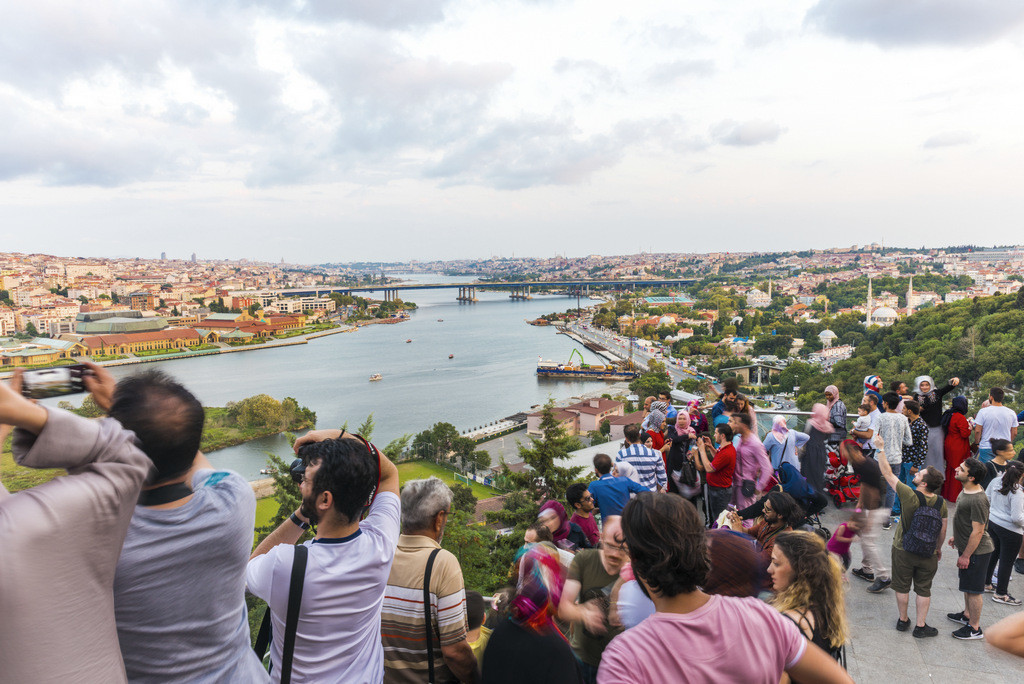
Taking the cable car up to Pierre Loti Hill provides one of the most rewarding views over the Golden Horn. From the top, the layered urban landscape stretches toward the historic peninsula, and the curve of the inlet becomes fully visible. Standing there, it becomes easier to understand why the French writer Pierre Loti spent so much time in Istanbul and found inspiration in this setting.
Whenever I visit Eyüp, I also recommend stopping at Miniatürk, located nearby. This open-air museum displays detailed scale models of important monuments from across Turkey. For visitors planning to travel beyond Istanbul, seeing these models early in the trip helps create a clearer understanding of the country’s historical geography. The Eyüp district, with its religious sites, viewpoints, and quieter streets, offers a different but deeply meaningful perspective on Istanbul.
11. Enjoying the Nightlife on the Bosphorus

For decades, the Bosphorus shoreline has been one of the most iconic settings for nightlife in Istanbul. The combination of historic waterfront mansions, the illuminated Bosphorus Bridge, and the movement of boats across the strait creates an atmosphere unlike anywhere else in the city. Even today, upscale venues such as Ruby, Oligark, and Sortie continue this tradition, offering music, open-air terraces, and uninterrupted views of the water.
When I first began exploring Istanbul’s nightlife in the early 2000s, Reina was the undisputed symbol of the Bosphorus club scene. At that time, the city’s growing economy meant that not only tourists but also many local professionals regularly spent evenings along the waterfront. Over time, especially after the pandemic and the economic shifts that followed, this scene gradually became more exclusive. While the experience remains exceptional, it is now more closely associated with international visitors and a smaller segment of the local population.
Despite these changes, the Bosphorus view itself remains the defining element. Standing on a terrace at night and watching the lights reflect on the water still offers one of the most memorable perspectives of the city. For those who prefer a more local atmosphere, I often recommend exploring venues in Şişli, particularly Bomontiada and Babylon, or the bars around Kadife Street in Kadıköy. These areas offer a different but equally authentic side of Istanbul’s contemporary nightlife.
12. Taking Photos from Galata Tower

Rising above the historic district of Galata, the Galata Tower has watched over Istanbul for centuries. Originally built by the Genoese in the 14th century, it once served as a strategic watchtower overlooking the harbor and the commercial routes of Constantinople. Later, during the Ottoman period, it was used to monitor fires in the densely built city. Today, it remains one of the most recognizable landmarks on the Istanbul skyline.
Climbing the tower offers a panoramic view of the historic peninsula, the Bosphorus, and the surrounding neighborhoods. However, over the years, my focus has shifted from the top of the tower to the streets around it. In particular, the square known as Kuledibi and the surrounding streets have developed a distinct character of their own. As tourism increased, many small cafés opened in the historic buildings nearby, and the area became one of the most visually appealing corners of Beyoğlu.
While I still believe that first-time visitors should go up the tower at least once to understand its historical role, I often find myself appreciating it from outside. One of my preferred viewpoints is the terrace of the nearby Anemon Hotel, where you can photograph the tower itself rising above the neighborhood. In many ways, observing the tower as part of the urban landscape reveals its presence more naturally than viewing the city from its crowded interior.
13. Exploring Istiklal Avenue

Few streets in Istanbul reflect the city’s modern identity as clearly as Istiklal Avenue. During the late Ottoman period, it was known as the Grand Rue de Pera and became the center of European life in Constantinople. Embassies, theaters, churches, and cafés lined the avenue, creating a cosmopolitan environment that defined the western face of the empire.
My own connection to Istiklal Avenue began in 2001, when I started working at a hotel located on this street. At that time, I experienced firsthand the unique atmosphere that older Istanbul residents still remember — an avenue where bookshops, cinemas, and cafés formed the intellectual heart of the city. For many people who grew up in Istanbul during the 1980s and 1990s, Istiklal represented the cultural and artistic center of urban life.
Although the avenue has changed over time and become more commercial, its deeper character remains visible to those who explore beyond the main pedestrian flow. Stepping into the historic passages or walking along the side streets still reveals traces of the cosmopolitan life that shaped this district. Even today, when I walk here, certain corners still evoke the atmosphere of an earlier Istanbul, preserved in architecture, memory, and the collective imagination of the city.
14. Visiting the Antique Shops at Çukurcuma
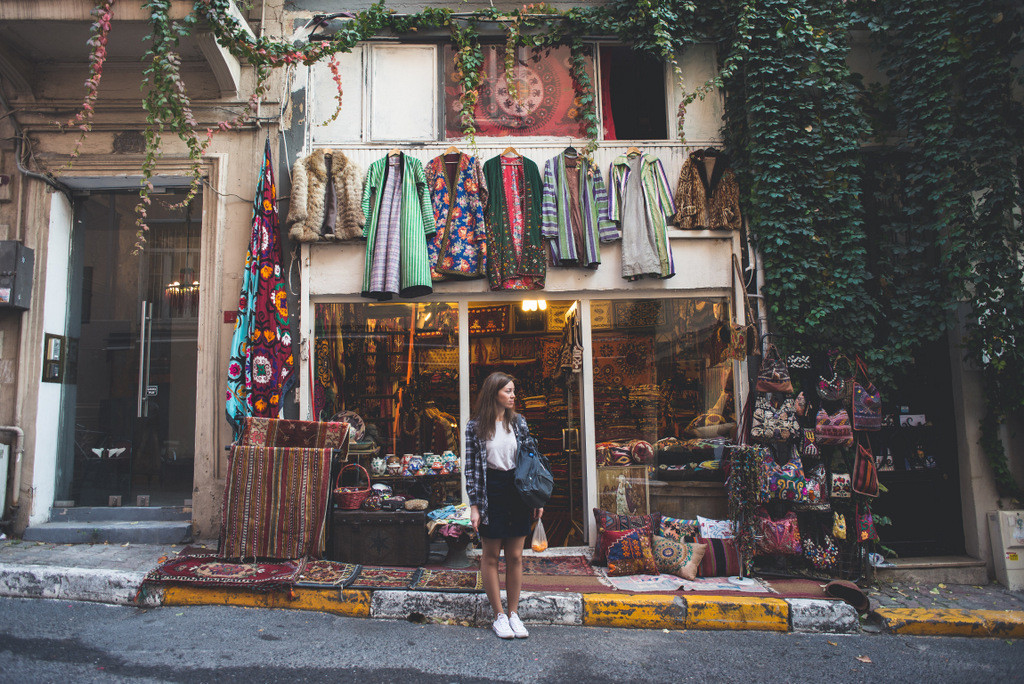
Just a short walk from the busy streets of Istiklal Avenue lies Çukurcuma, a neighborhood that reveals a quieter and more introspective side of Beyoğlu. Its narrow streets, historic buildings, and antique shops preserve a sense of continuity that contrasts with the faster pace of the surrounding districts.
I included Çukurcuma in this list not because visitors need to buy antiques, but because it offers a deeper understanding of Istanbul’s layered urban memory. Walking through these streets allows you to move beyond the commercial surface of the city and enter a neighborhood where everyday life and historical continuity coexist.
This area is also closely connected with the work of Orhan Pamuk, who was born and raised nearby and later wrote extensively about these streets. His novels, including The Museum of Innocence and Istanbul: Memories and the City, explore the emotional and cultural transformation of Istanbul during the second half of the 20th century.
Visiting the physical Museum of Innocence, located in Çukurcuma, provides a rare opportunity to see how literature and place intersect. Experiencing this neighborhood firsthand helps visitors connect with a more intimate and reflective dimension of the city.
15. Visiting the Byzantine Era Structures
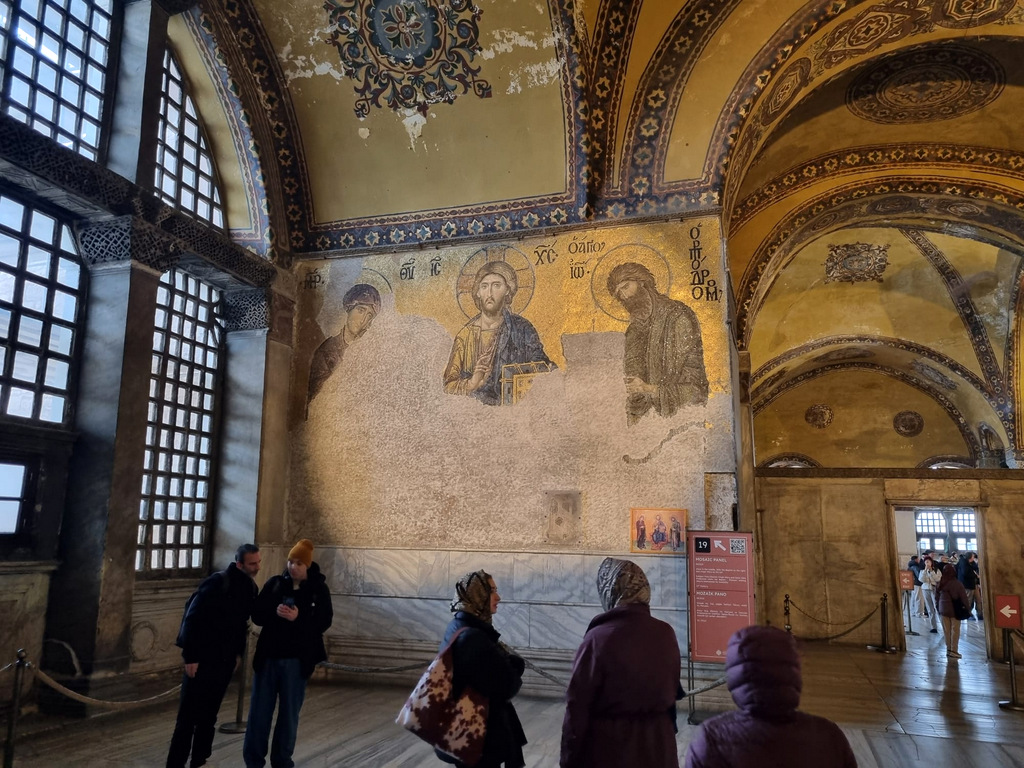
Long before Istanbul became the capital of the Ottoman Empire, it served as Constantinople, the center of the Eastern Roman (Byzantine) Empire for more than a thousand years. This period shaped the city in ways that are still visible today, even if many of its structures survive only in fragments.
For many years, like most residents, I was more familiar with the Ottoman monuments of the city. However, beginning around 2019, I started focusing more deeply on Byzantine history, reading extensively and revisiting sites that I had previously overlooked. As I explored churches such as Chora, Pammakaristos, and the Monastery of the Pantocrator, I began to understand how profoundly this civilization shaped the identity of Constantinople.
Unlike the more visible Ottoman landmarks, Byzantine remains often require patience and imagination. They are scattered across neighborhoods such as Sultanahmet, Zeyrek, Fener, and Balat, embedded within the modern city. Visiting these sites allows you to reconstruct, piece by piece, the story of a civilization that transformed the Roman Empire and left a permanent imprint on Istanbul. Following these traces offers one of the most intellectually rewarding ways to experience the city beyond its most familiar monuments.
16. Discovering the Mosques in Istanbul

The skyline of Istanbul is defined by its mosques. Their domes and minarets do not appear randomly — they represent the architectural evolution of an empire that ruled this city for over five centuries. When the Ottomans conquered Constantinople in 1453, they inherited not only a strategic capital but also a deeply rooted architectural tradition shaped by Roman and Byzantine builders. Over time, they transformed these influences into something entirely their own.
This transformation reached its peak in the 16th century under the direction of Mimar Sinan, the chief architect of the Ottoman Empire. Sinan had traveled extensively earlier in his life while working with the Ottoman army, observing bridges, aqueducts, and monumental structures across different regions. When he began designing imperial mosques such as Süleymaniye and Şehzade Mosque, he combined everything he had learned into a new architectural language. Even today, when I stand inside Süleymaniye Mosque, I am struck by its balance — the way light enters the space, the proportions of the dome, and the calm sense of order that defines Sinan’s work.
In later centuries, Ottoman architecture began to reflect Western influences. Along the shores of the Bosphorus, mosques such as Ortaköy Mosque, Dolmabahçe Mosque, and Nusretiye Mosque display Baroque and Neo-Classical elements. These buildings represent a different phase of the empire, when architectural tastes were evolving alongside political and cultural changes. Both periods remain essential to understanding Istanbul’s identity.
Personally, I have always felt a stronger connection to Sinan’s smaller mosques. Places like Rüstem Paşa Mosque and Kılıç Ali Paşa Mosque reveal his genius in a more intimate way. They may not dominate the skyline like the imperial mosques, but their scale, proportions, and craftsmanship often leave a deeper impression. Visiting these mosques allows you to see not just monuments, but the architectural thinking that shaped the Ottoman vision of the city.
17. Taking a Ferry Ride to the Prince Islands

Out in the Sea of Marmara, just beyond the dense urban shoreline, the Prince Islands offer a completely different rhythm of life. For centuries, these islands served as places of exile, retreat, and quiet reflection during the Byzantine and Ottoman periods. Today, they remain one of the few places where the pace of Istanbul slows down noticeably.
Reaching the islands by ferry is an essential part of the experience. As the boat leaves the city behind, the skyline gradually recedes, and the atmosphere begins to change. One of the most striking differences is the absence of traffic. Without cars, the islands feel quieter and more open. Many Istanbul residents come here in spring and summer simply to walk for hours without the constant noise and congestion of the mainland.
On Büyükada, the largest island, walking uphill to the Church of St. George has always been one of the most memorable experiences for me. The path gradually reveals wider views of the sea, and reaching the summit creates a strong sense of distance from the city. On Heybeliada, visiting the Halki Theological School offers insight into the long presence of Orthodox Christianity in Istanbul. Burgazada, on the other hand, has a more intimate atmosphere, shaped in part by the legacy of the writer Sait Faik, whose house still stands there as a museum.
Walking through the streets of the islands, you also notice the historic wooden houses and the relaxed presence of street cats resting in quiet corners. These details, combined with the absence of traffic, create a sense of calm that is increasingly rare in a city of nearly twenty million people.
18. Watching Istanbul from Çamlıca Hill
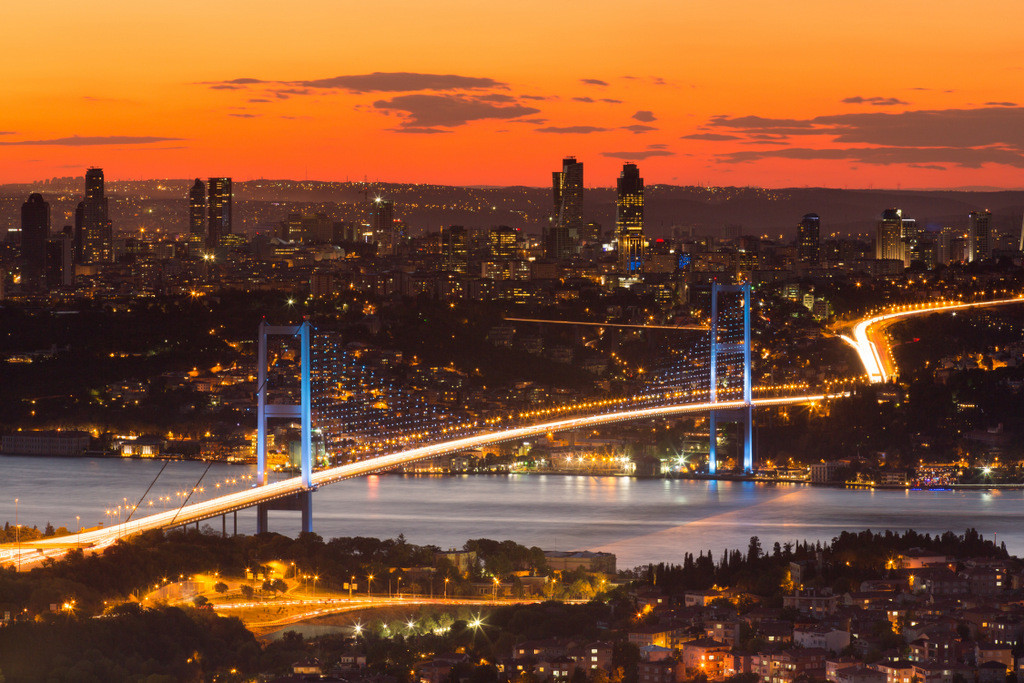
Viewed from above, Istanbul reveals its full geographical complexity. The hills, waterways, bridges, and dense urban neighborhoods form a layered landscape that is difficult to grasp from street level. Çamlıca Hill, located on the Asian side of the city, offers one of the widest panoramic views of this vast urban environment.
From the summit, you can see the Bosphorus stretching toward the Black Sea, the historic peninsula rising in the distance, and the modern skyline extending in multiple directions. This vantage point makes it easier to understand the scale of Istanbul and its unique position between continents.
Although I have visited many viewpoints in the city, Çamlıca remains one of the most comprehensive. Standing there, you can observe not only individual monuments but also the overall structure of the city itself — the relationship between geography, history, and urban growth that has shaped Istanbul over centuries.
19. Shopping at Bağdat Street
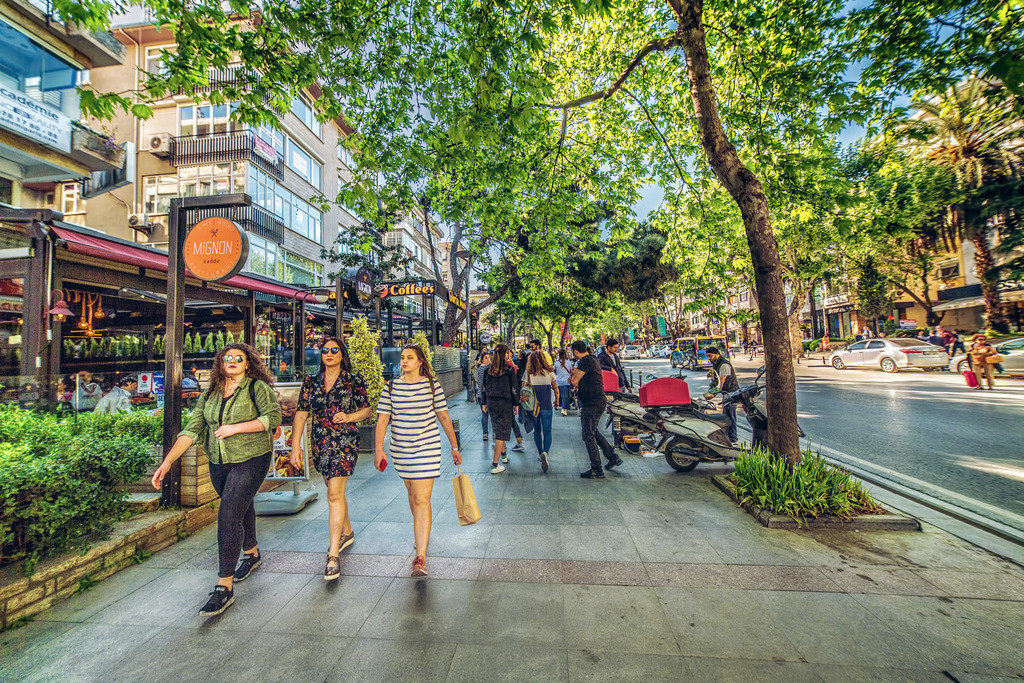
On the Asian side of Istanbul, daily life unfolds differently from the historic districts visited by most tourists. Bağdat Street, stretching for several kilometers between Bostancı and Kadıköy, reflects this local rhythm more clearly than almost any other place in the city. Lined with shops, cafés, and tree-shaded sidewalks, it serves as both a commercial center and a social gathering place.
Although Bağdat Street is known for its fashion boutiques and international brands, I have rarely come here specifically to shop. Living on the Asian side myself, I have always experienced this street more as a place for walking. Especially along the Suadiye, Şaşkınbakkal, and Caddebostan sections, the wide sidewalks and relaxed atmosphere make it ideal for long walks.
What makes Bağdat Street unique is its role in everyday social life. People run into friends, stop to talk, or continue toward the waterfront for a walk along the sea. I often find myself ending my walk at the Caddebostan shoreline, where the open view of the Marmara Sea and the movement of people along the coast create one of the most characteristic scenes of the Asian side of Istanbul.
20. Visiting Boutiques at Nişantaşı
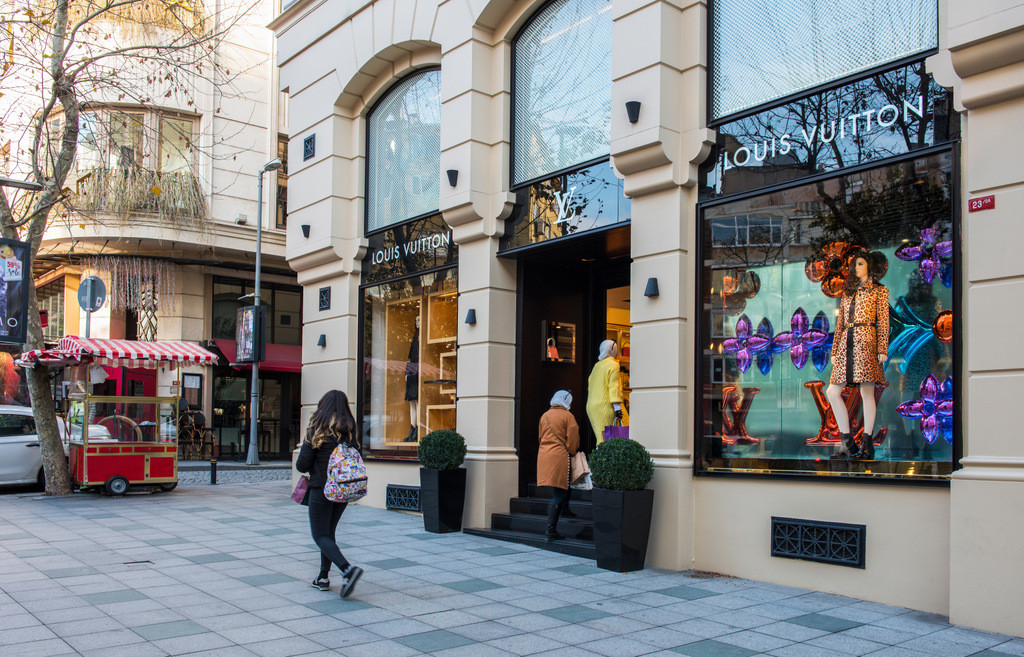
Nişantaşı represents another face of modern Istanbul. Its streets are lined with boutiques, cafés, and elegant residential buildings that reflect the city’s connection to European fashion and urban culture. Walking through this neighborhood feels very different from exploring the historic districts or waterfront areas.
Although luxury shopping has never been my primary interest, I have always found Nişantaşı fascinating as an urban environment. The district has the atmosphere of a neighborhood that gradually evolved into an open-air version of a high-end shopping center. International fashion brands stand alongside Turkish designers, and the cafés and small streets create a lively but refined atmosphere.
At times, walking here reminds me of neighborhoods I have seen in European cities such as Milan. Yet Nişantaşı remains distinctly Istanbul in its character. Observing the people, the architecture, and the daily rhythm of the streets offers insight into the contemporary, cosmopolitan identity of the city.
21. Crossing Continents in the Istanbul Marathon
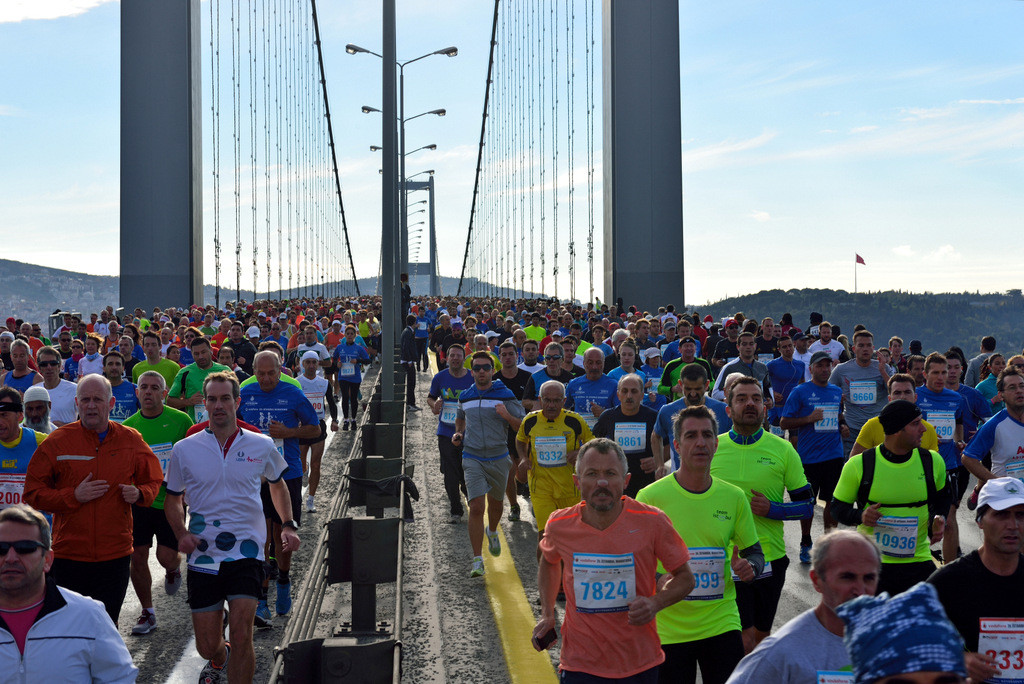
Once a year, something unusual happens in Istanbul. The Bosphorus Bridge — normally filled with traffic at all hours — is closed to vehicles and opened entirely to pedestrians. Thousands of runners gather on the Asian side before sunrise, waiting for the moment when they will cross from one continent to another on foot.
This event, known today as the Istanbul Marathon (formerly the Eurasia Marathon), is the only occasion when ordinary people can walk or run across the Bosphorus Bridge. The experience itself is symbolic. The bridge, which usually functions as an invisible infrastructure of daily life, suddenly becomes something tangible. You feel the distance between Asia and Europe not as an abstract idea, but as a physical journey.
I have always been more of a walker than a runner, so I have never participated in the marathon myself. But over the past twenty years, many of my friends have joined it, and they all describe the same unforgettable moment — reaching the midpoint of the bridge and realizing they are literally moving between continents under their own power. Even if you are not a professional runner, the public walk portion of the event allows anyone to experience this rare perspective of the city.
22. Experiencing the Meyhane Culture of Kumkapı
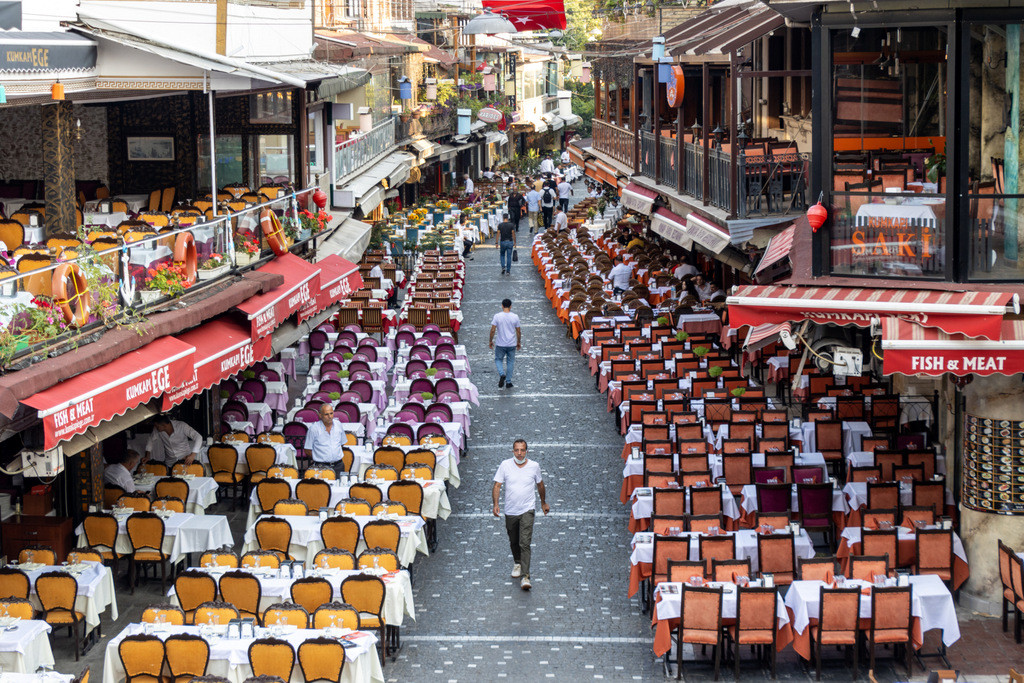
Just a short walk from Sultanahmet lies Kumkapı, a neighborhood where one of Istanbul’s oldest dining traditions continues into the present. Long before tourism reached the area, Kumkapı was home to Greek and Armenian fishing communities. The narrow streets around the harbor were filled with small taverns and fish restaurants serving the day’s catch.
Today, the area has inevitably become more touristic, but its essential character can still be felt. In the evenings, the main restaurant street fills with music, conversation, and the sound of glasses being raised. Musicians move from table to table, and the atmosphere becomes more animated as the night progresses.
Despite the changes over time, Kumkapı still offers one of the most accessible introductions to Istanbul’s meyhane culture, especially for visitors staying near the historic center. Sitting at one of these tables, you are participating in a tradition that has shaped the social life of the city for generations.
23. Finding Quiet Corners of Nature Within the City

At first glance, Istanbul may seem like a city defined entirely by density — traffic, buildings, and endless urban expansion. Yet scattered throughout the city are green spaces that offer a temporary escape from this intensity. Places like Atatürk Arboretum and Yıldız Park preserve fragments of the natural landscape that existed long before modern Istanbul expanded around them.
These parks serve an important function for residents. They are not simply recreational areas, but places where the rhythm of the city slows down. Walking through Yıldız Park, it is difficult to believe that one of the busiest districts, Beşiktaş, lies just beyond its boundaries.
Over the years, walking has become an essential part of how I experience the city myself. I often spend hours on the long coastal paths of Maltepe Park on the Asian side, especially during the quieter winter months. Walking there, listening to audiobooks, and passing the same familiar corners week after week creates a completely different relationship with the city. Even the small details — the cats waiting in their usual places, recognizing familiar footsteps — become part of a personal geography that only reveals itself over time.
24. Visiting the Beaches Along Istanbul’s Coast
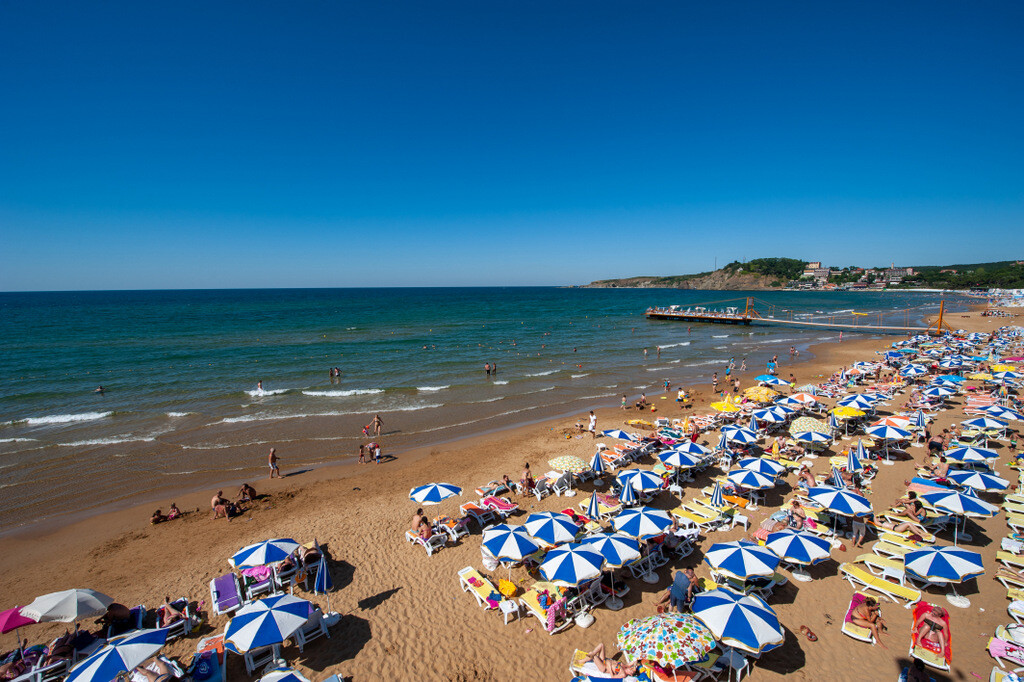
Istanbul is not primarily known as a beach destination. When summer arrives, many residents travel to the Aegean or Mediterranean coasts in search of clearer waters and quieter shorelines. Yet Istanbul’s own coastline still offers places where people can swim and escape the heat of the city.
Along the Black Sea coast, areas such as Şile, Kilyos, and Riva provide long sandy beaches within reach of the city. The sea here can be rougher than the calmer waters of southern Turkey, but during the hottest weeks of July and August, these beaches become essential refuges from the summer heat.
For those living in Istanbul, these coastal areas serve a practical purpose. When temperatures rise and the city becomes difficult to endure, even a modest beach can offer relief. The experience may not rival the famous resort towns of the Mediterranean, but it reflects the reality of how Istanbul residents adapt to the seasons.
25. Understanding the Tradition of Turkish Taverns
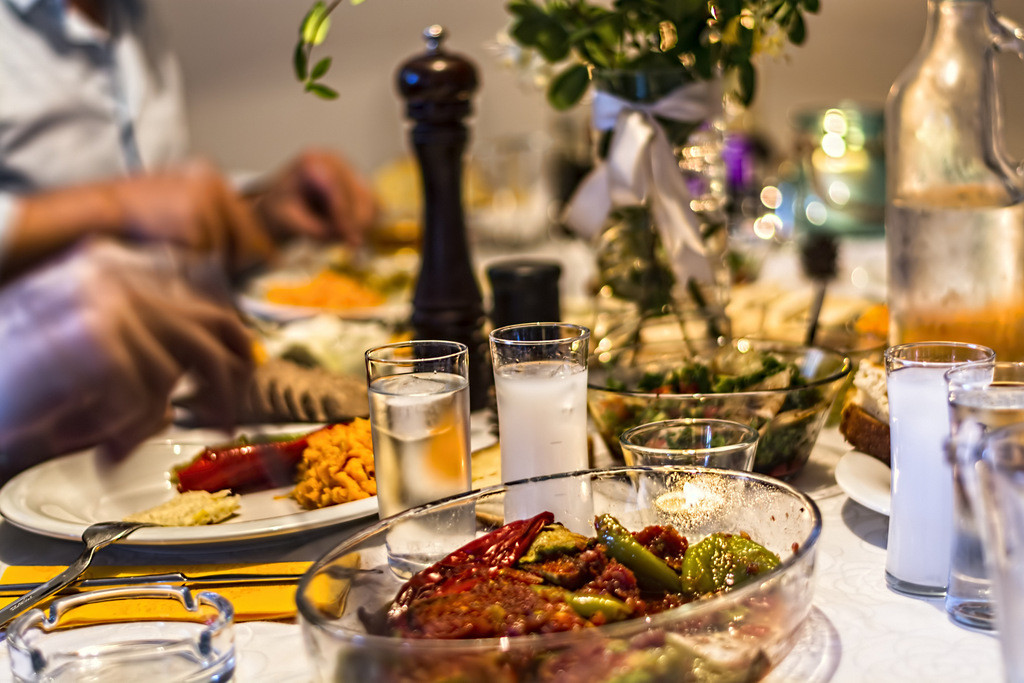
Few traditions in Istanbul reflect the city’s multicultural past as clearly as the meyhane. For centuries, taverns along the Golden Horn, in Pera, Balat, and other districts were operated primarily by Greek and Armenian families. These establishments became places where people gathered not just to drink, but to spend entire evenings in conversation.
The structure of a meyhane evening is very different from typical drinking culture elsewhere. Rakı is not consumed quickly. It is accompanied by small dishes known as meze, and the pace of the evening is deliberately slow. Conversations extend over several hours, often accompanied by live music known as fasıl.
Although I personally do not drink rakı, I have spent many evenings in these taverns with friends and guests. Watching the rituals — the preparation of the table, the gradual unfolding of conversation, the music — makes it clear that the meyhane is less about alcohol and more about social connection. It remains one of the most enduring cultural traditions of Istanbul.
Conclusion
There is no single moment when you can say you have fully understood Istanbul. Even after living here for decades, I still find myself noticing things I had overlooked before — a small architectural detail on a familiar street, a shift in the atmosphere of a neighborhood, or the way the light falls differently across the Bosphorus in another season. This city does not reveal itself all at once. It unfolds gradually, through repeated encounters and quiet observation.
What makes Istanbul unique is not only the presence of its great monuments, but the continuity between past and present that remains visible throughout the city. Roman columns stand beside Ottoman mosques. Byzantine cisterns lie beneath modern streets. Ferry routes that once connected imperial shores still carry passengers between continents every day. These layers are not preserved behind glass — they remain part of the living structure of the city.
Over the past twenty years as a tour guide, I have walked these streets thousands of times. Yet no two days have ever felt exactly the same. The city changes constantly, shaped by its residents, by time, and by the natural rhythm of life along the Bosphorus. Some places grow quieter, others become more active, and new meanings emerge even in familiar locations.
The experiences presented in this guide are not meant to be completed quickly. Instead, they offer a way to begin understanding the city as a whole — its history, its geography, and its daily life. Some visitors return to Istanbul again and again, each time discovering a different aspect of it. Others carry a lasting impression from a single visit.
In either case, Istanbul leaves something behind. Not just memories of monuments, but a deeper sense of having encountered a city that has stood at the center of history for more than two thousand years — and continues to evolve today.
Written by Serhat Engul.

I have been to Istanbul. I missed it and decided to read this post, This writer is excellent and I would recommend a tour with him any day. He encapsulates it perfectly. Thank you!
Hi Pippi, thank you for the feedback. It made me happy that someone who knows Istanbul approved my article in this way.
Thanks for all the information, it is very helpful. I will be visiting Istanbul next week.
Hi Vincent, thank you for the feedback on the post. Have a nice trip in Istanbul!
Your blog is just simply amazing. I feel I know istanbul so well from your posts. I am looking forward to try your recommendations when I go in April. Thank you so much.
Hi Jasvin, the purpose of establishing this website was to convey my experiences as an Istanbulite to those who will visit the city. It makes me feel good to see from your and other readers’ comments that I am succeeding.
If I were to visit Istanbul in April, I would enjoy the Tulip season. Because in April, colorful tulips bloom in all the parks of Istanbul and can be seen throughout the month.
Also, in spring, Judas trees, one of Istanbul’s iconic plants, appear all over the city with their purple leaves. For example, someone who goes on a Bosphorus cruise can observe the Judas trees on the hills of the city.
Hey! I’m planning a trip to Istanbul next month and your website is really useful and it’s helping me a lot, so thank you!
I have also been looking into the Istanbulkart to move around the city, but it seems the webpage isn’t working and I have found no other way to get accurate information (mainly about how to make it work with the HES code for the Covid certificate). Do you have any information on it?
Thank you very much!
Hi Maria, thanks for your feedback on the blog. Actually, there is a specific blog post about Istanbulkart on the blog. I had put the necessary link there to match the card with the HES code, but now I realized that they took the relevant website under maintenance.
Recently, the requirement to show the HES code in places such as shopping centers in Istanbul has been lifted. The obligation to pair Istanbulkart with the HES code may have been lifted as well. However, I can’t confirm this right now. When I am sure, I will update the relevant section in the article about Istanbulkart on the site.
Thank you very much!
You are welcome. Have a nice trip!
Thank you very much for these useful information. I’m going to visit Istanbul and I will use your suggestions.
Hi Ladan, thank you for your kind comments on the article. I hope you have a good time in Istanbul.