At first glance, Istanbul can feel overwhelming.
This is a city that has served as the capital of the Roman, Byzantine and Ottoman empires — and each of those layers still exists, sometimes on the same street, sometimes within the same building. Domes, walls, palaces, churches, mosques and markets overlap here in a way that few cities in the world can replicate.
The purpose of this guide is not to list monuments randomly. It is to help you understand how the city is structured — historically and geographically.
Below, you will find 30 places that define Istanbul. Some are world-famous landmarks. Others are neighborhoods or viewpoints that reveal how locals experience the city. Together, they form a complete introduction.
If you are interested in deeper architectural or historical detail, you can explore the individual monument guides linked throughout the article. And once you finish this overview, you may also want to read the companion guide on the best things to do in Istanbul for a more activity-based perspective.
Think of this article as your structural map of the city.
Best Places to Visit in Istanbul 2026
This list includes 30 essential places that help you understand Istanbul in layers.
The first part of the article focuses primarily on the Historic Peninsula — the heart of Roman, Byzantine and Ottoman power. As you continue reading, the geography expands toward the Golden Horn, the Bosphorus and eventually the Asian side.
I have been guiding in Istanbul for nearly two decades, and I was born and raised here. Over the years, I have walked these streets hundreds of times — in different seasons, at different hours of the day, with visitors from different parts of the world.
What you will read below is not a compilation of facts. It is a selection shaped by lived experience.
If this is your first visit, this guide will help you prioritize.
If you have been here before, it may help you see the city differently.
Let’s begin where Istanbul begins — at the heart of its history.
1. Hagia Sophia
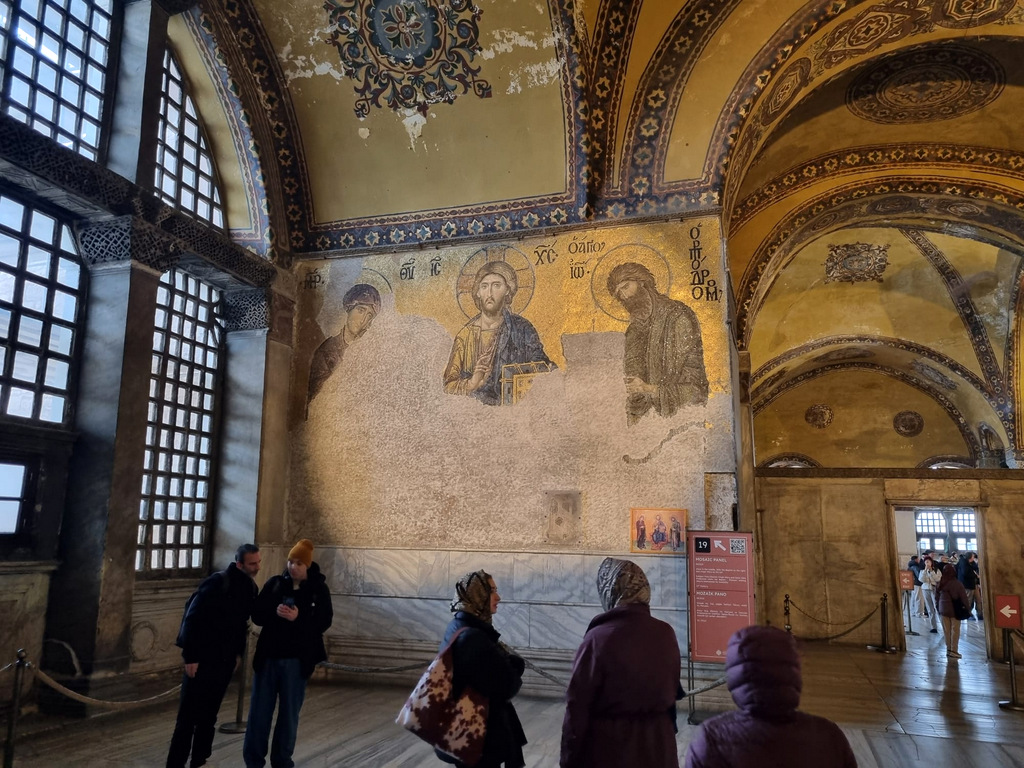
Hagia Sophia is not just the most famous monument of Istanbul — it is the city’s turning point in stone.
Completed in 537 under Emperor Justinian, it stood as the largest cathedral in the world for nearly a millennium. After 1453, it became an imperial mosque; in the 20th century, a museum; and today, once again, a functioning mosque. Few buildings in the world carry this many political, religious and architectural layers within the same walls.
I first entered Hagia Sophia when I was 19. At that time, I was only a young guide candidate. I remember standing under the dome and feeling something shift inside me. In the weeks that followed, I kept returning — studying its proportions, its light, its mosaics, its hidden details. The Hagia Sophia Architecture and Hagia Sophia Mosaics articles on this site were born from that early fascination.
If you want to understand Istanbul, start here. But do not rush. Stand still under the dome for a moment. That silence is where the city begins.
2. Blue Mosque
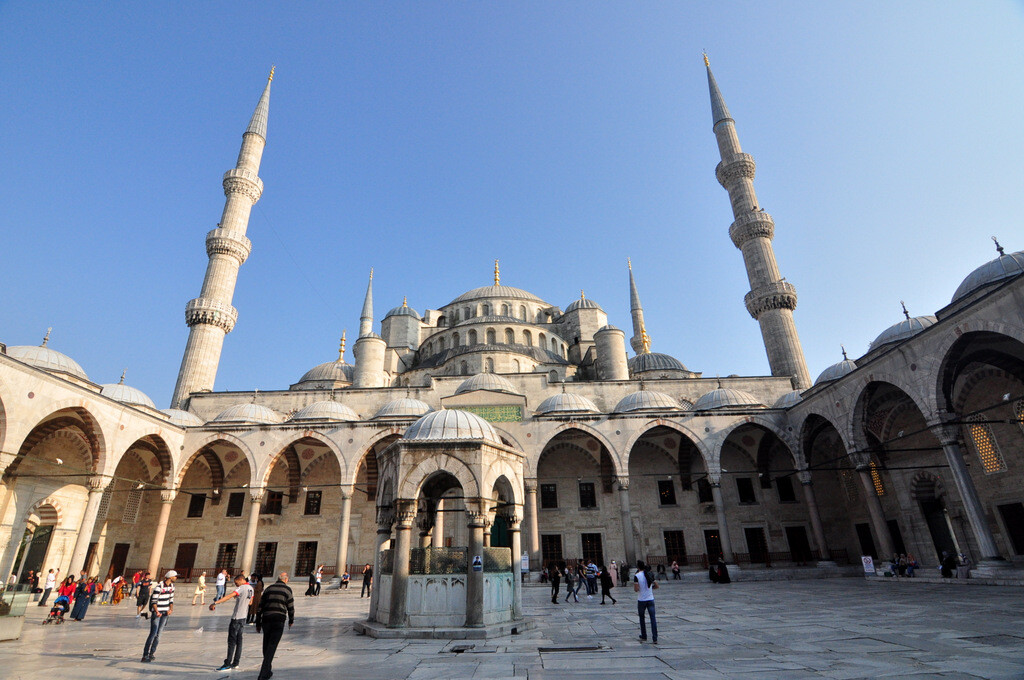
Directly facing Hagia Sophia stands the Blue Mosque — the Ottoman Empire’s architectural response to Byzantine grandeur.
Built in the early 17th century, it is known for its cascading domes and the blue Iznik tiles that give the interior its name. From the outside, it appears restrained. Inside, it reveals its elegance through symmetry and ceramic artistry.
For me, Sultanahmet Square between April and late October has always felt like a sunlit stage of Istanbul’s tourism season. The Blue Mosque and its surrounding gardens are where I have spent countless bright mornings explaining Ottoman architecture to curious travelers. It is impossible for me to separate this building from those clear spring days filled with questions and conversations.
Visit outside prayer times if you want to observe quietly. And remember: this is an active mosque, not a museum.
3. Basilica Cistern
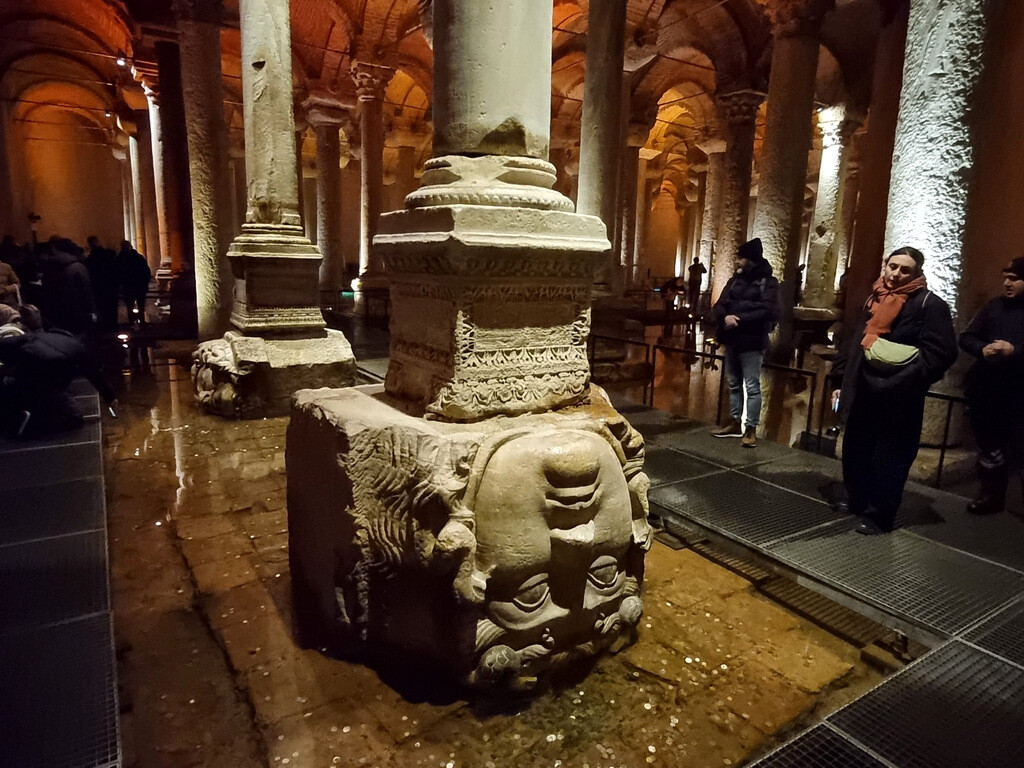
Descending into Basilica Cistern feels like stepping into a parallel version of the city.
Built in the 6th century, this massive underground reservoir once supplied water to the Great Palace and surrounding structures. The forest of columns and the famous Medusa heads have made it one of Istanbul’s most atmospheric monuments.
On a hot July afternoon, the cistern offers cool relief. On a rainy February day, it becomes shelter from the wind. As you walk down the steps, the sound of the modern city fades away. Within seconds, you are 1,500 years back in time, standing inside Roman engineering at its most ambitious.
While it is the most famous cistern, it is not the only one. The nearby Theodosius Cistern is also worth exploring if you want a broader picture of Constantinople’s water system.
4. Topkapı Palace
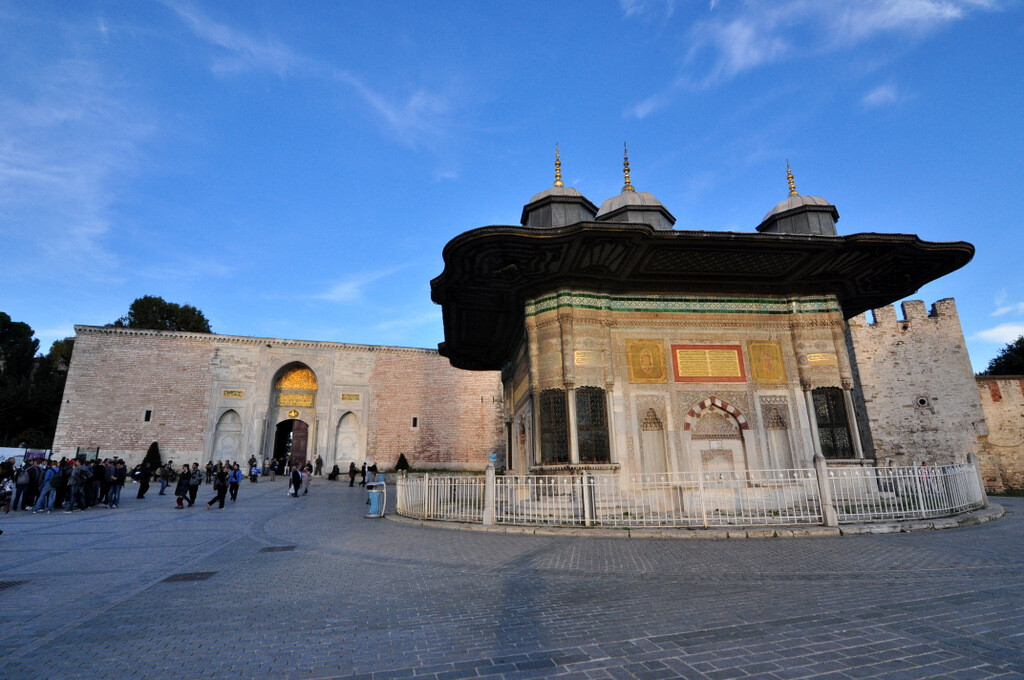
Topkapı Palace is less about spectacle and more about atmosphere.
Established in the 15th century after the Ottoman conquest, it served as the imperial residence and administrative center for nearly 400 years. The palace unfolds through four courtyards — each one quieter and more selective than the last.
When I think of Topkapı, I do not immediately think of its treasury or the Harem rooms. I think of walking through its courtyards. You feel the rhythm of an empire in those open spaces — in the transitions from public to private, from ceremony to intimacy. The palace is not overwhelming; it is layered.
Plan at least half a day. And if possible, pause in the outer gardens overlooking the Bosphorus. That view explains why this location was chosen.
5. Turkish and Islamic Arts Museum
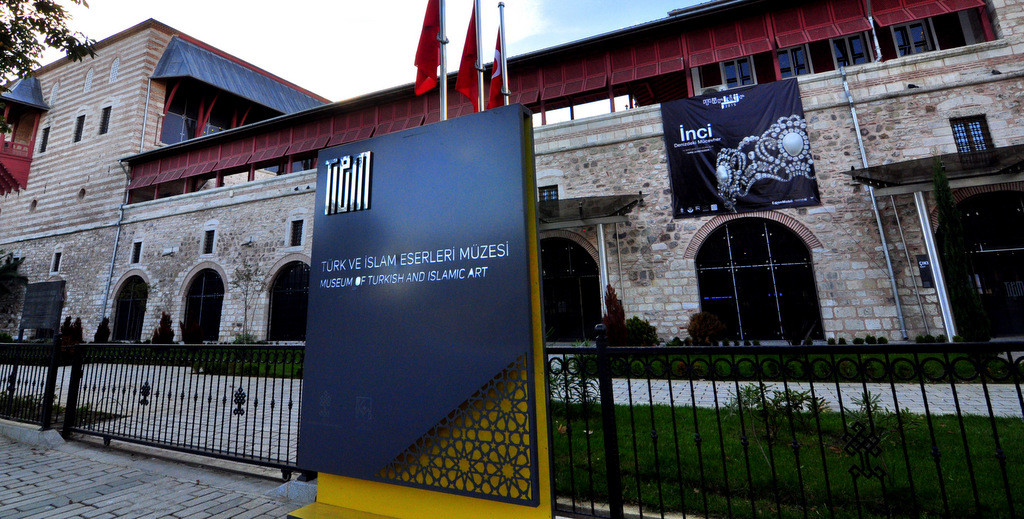
Located opposite the Blue Mosque, the Turkish and Islamic Art Museum provides historical context that many visitors miss.
Recently restored and carefully re-curated, the museum now flows chronologically. Walking through its halls feels less like browsing displays and more like moving through time — from Central Asian Turkic origins to Seljuk craftsmanship and Ottoman refinement.
Its carpet collection is particularly significant. Some of the oldest surviving Turkish carpets are exhibited here. When I walk through those galleries, I often find myself slowing down. These textiles tell the story of a people moving from the Asian steppes into Anatolia, absorbing Middle Eastern influences, and eventually interacting with Europe.
If you are even remotely interested in Ottoman aesthetics or carpet culture, this museum deserves your attention.
6. Grand Bazaar
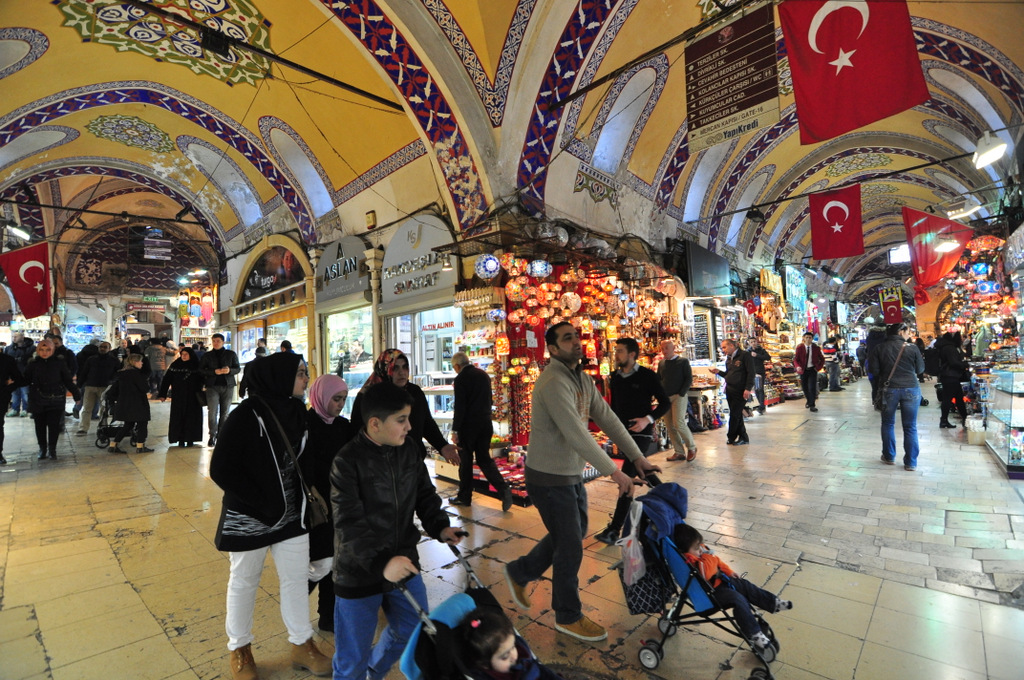
The Grand Bazaar is not my personal favorite place in Istanbul — but it is historically indispensable.
With over 3,000 shops spread across dozens of covered streets, it represents centuries of trade tradition. Today, it can feel overwhelming and commercial. Yet if you move beyond the main arteries and look carefully, you can still find workshops run by craftsmen who have practiced their art for decades.
The bazaar is less about buying and more about observing. Watch how trade works. Notice the rhythm of negotiation. See how patterns and motifs evolved through time.
The Grand Bazaar tells you how Istanbul learned to sell — and how it continues to adapt.
7. Spice Bazaar (Egyptian Bazaar)
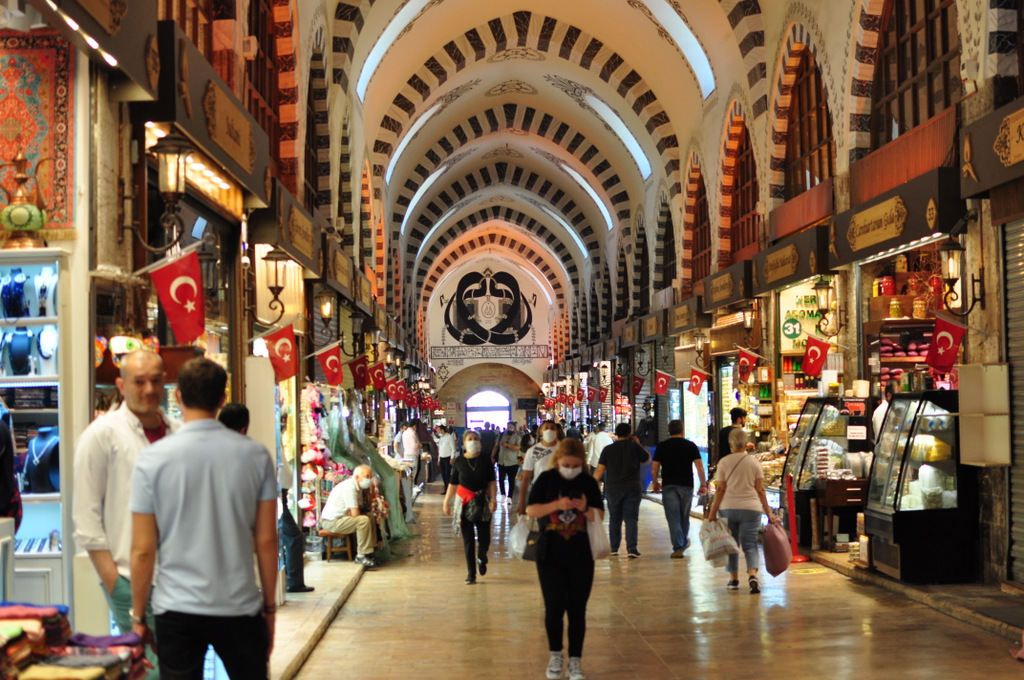
Spice Bazaar should always be understood together with its surroundings in Eminönü.
Built in the 17th century, it originally functioned as part of a mosque complex that financed itself through trade. While the interior is now highly touristic, the surrounding streets still serve locals.
When I think of Spice Bazaar, I also think of the nearby markets where Istanbulites buy tea leaves, breakfast ingredients, and spices. I personally buy my tea from shops in the area. The real story is not only inside the arched corridors but also in the side streets.
Combine your visit with a short walk through Eminönü’s food stalls for a more complete experience.
8. Süleymaniye Mosque
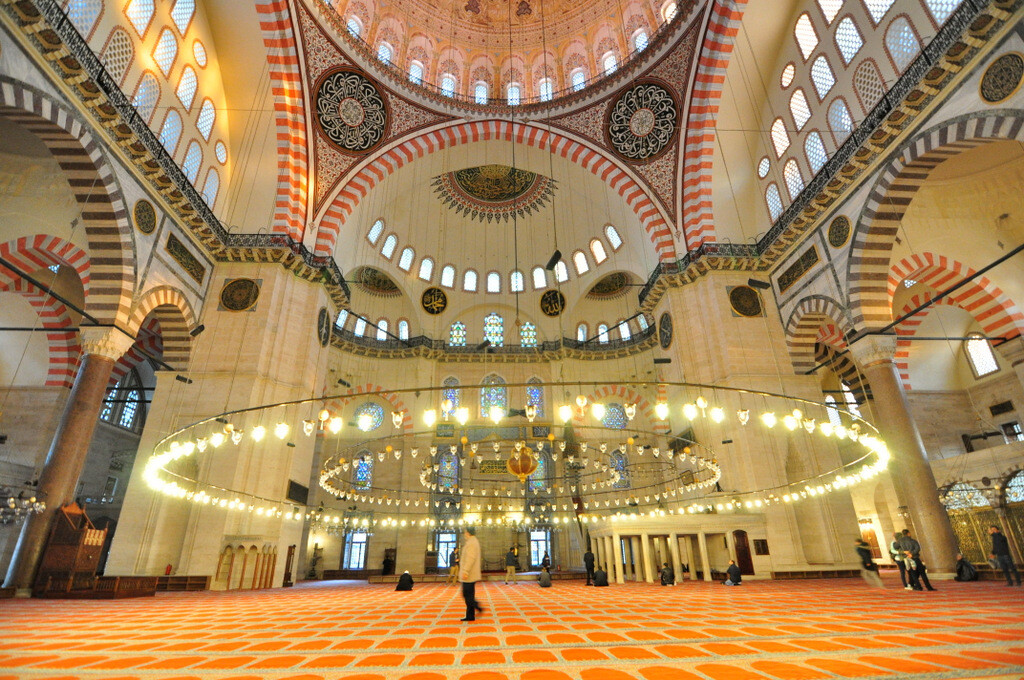
If I had to choose the most architecturally satisfying imperial mosque in Istanbul, it would be Süleymaniye Mosque.
Designed by Mimar Sinan for Suleiman the Magnificent in the 16th century, it represents classical Ottoman balance at its peak. Unlike the Blue Mosque, it does not announce its beauty loudly. Instead, it convinces you quietly — through proportion, scale and structural harmony.
The courtyard view over the Golden Horn is among the most rewarding in the city. Yet what impresses me most is its restraint. Massive, but not excessive. Grand, but not decorative for its own sake.
Süleymaniye is where Ottoman architecture reached maturity.
9. Şehzade Mosque
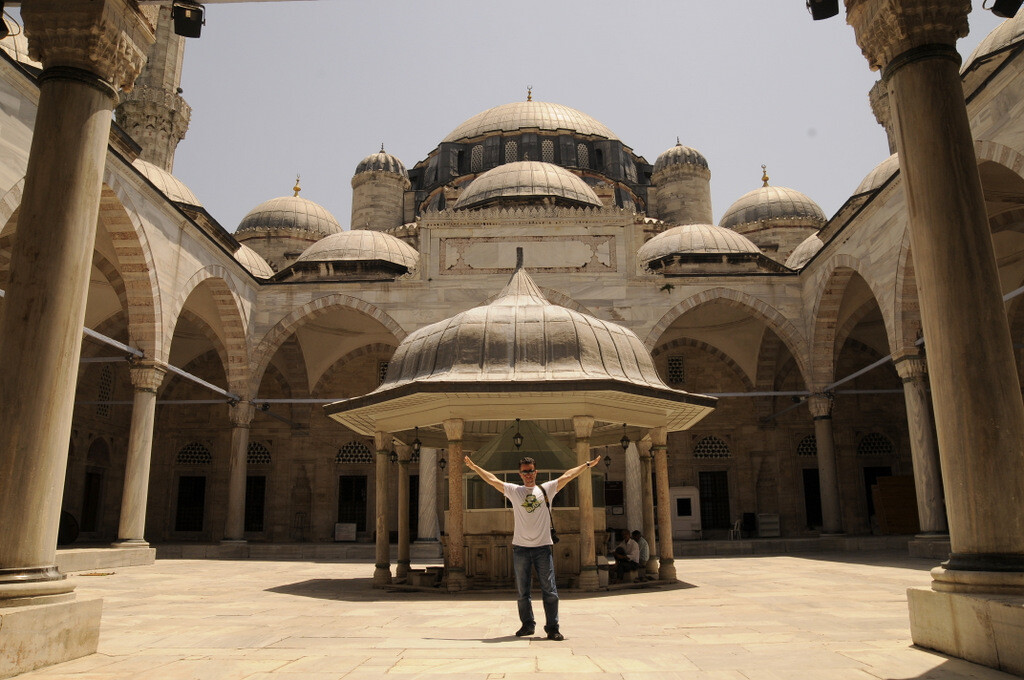
Şehzade Mosque is often described as Sinan’s “apprenticeship work.”
Built for the heir of Suleiman the Magnificent who died young, it features a central dome supported by four semi-domes — creating near-perfect symmetry. Architectural historian Doğan Kuban once remarked that while this design achieves impressive balance, it risks monotony. Sinan never repeated this exact scheme again.
And yet, Şehzade is crucial. When you compare Sinan’s trilogy — apprenticeship (Şehzade), mastery (Süleymaniye), and ultimate mastery (Selimiye in Edirne) — you understand architectural evolution in motion.
It is also located in a transitional area of the Historic Peninsula, near important Byzantine remnants, making it ideal for visitors who want to explore beyond Sultanahmet.
10. Valens Aqueduct
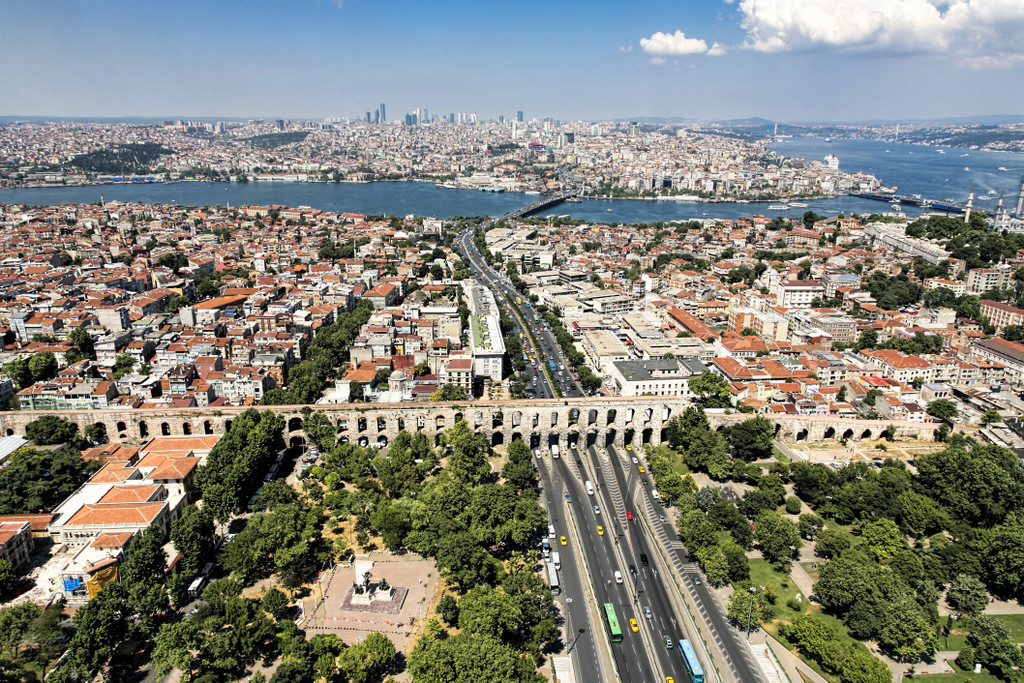
Before Constantinople became an imperial capital, it was a modest city struggling with water shortages.
When Emperor Constantine declared it the new capital, population growth forced the Romans to think bigger. Water was transported from distant Thrace through a complex engineering system. The Valens Aqueduct, dating to the 4th century, is one visible fragment of that massive infrastructure project.
This was late antiquity’s mega-project — an ambitious attempt to transform Byzantium into a sustainable metropolis. Today, the aqueduct stands quietly in the middle of modern traffic, a reminder that urban planning in Istanbul has always required scale.
It may not be as photogenic as Hagia Sophia, but it explains how the city functioned.
11. Zeyrek Mosque
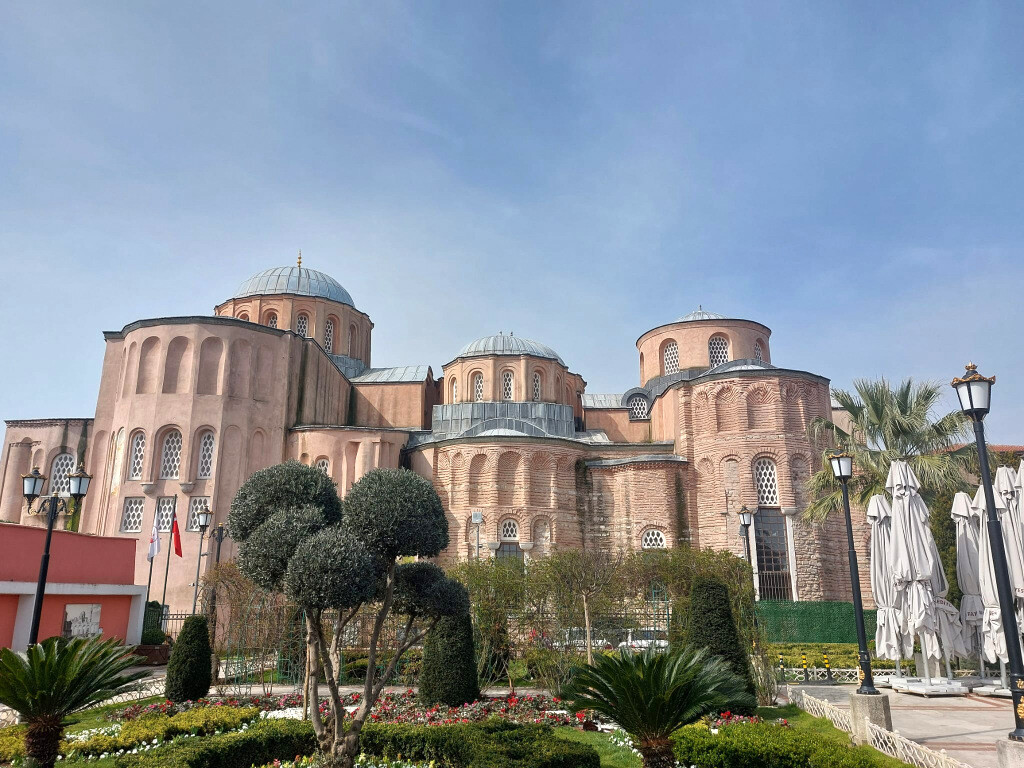
Zeyrek Mosque is one of the most distinctive silhouettes visible from the Golden Horn. Originally built as the Monastery of Christ Pantokrator, it was one of the most important religious complexes of late Byzantine Constantinople.
In fact, the structure consists of three interconnected churches, making it the third largest church of the city after Hagia Sophia and the Church of the Holy Apostles. Members of the Komnenos dynasty were buried here, which makes this site not only architectural but also dynastic in significance.
The mosque underwent a long and careful restoration process in recent years. One of the most fascinating details inside is a small exposed section of the original Byzantine floor mosaics. While most of the interior is covered with carpet, this preserved fragment allows you to glimpse how the decorative program once looked. It is a subtle but powerful reminder of the building’s earlier life.
Zeyrek is quieter than Sultanahmet — and that silence makes it even more revealing.
12. Fatih Mosque
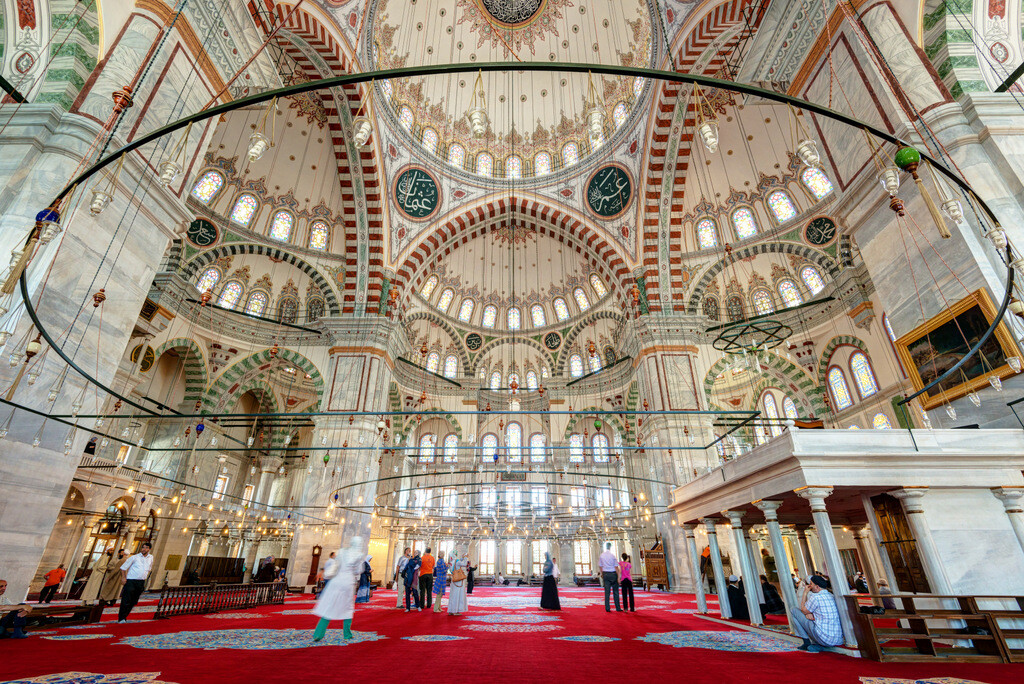
Fatih Mosque stands at the symbolic center of Ottoman Istanbul.
Built in the 15th century and dedicated to Mehmed the Conqueror, it occupies one of the most historically layered sites in the city. Before the mosque, this hill was home to the Church of the Holy Apostles, the second most important church of Byzantine Constantinople and the burial place of Roman and Byzantine emperors.
The fact that Fatih Mosque rises above the ruins of that imperial church is not accidental. And today, the tomb of Mehmed II stands above the graves of earlier emperors — including Constantine. Few places in Istanbul illustrate so clearly how history builds upon itself.
Fatih is not as frequently visited by tourists as Sultanahmet, but it offers a deeper understanding of how power transitioned in the city.
13. Panorama 1453 Museum
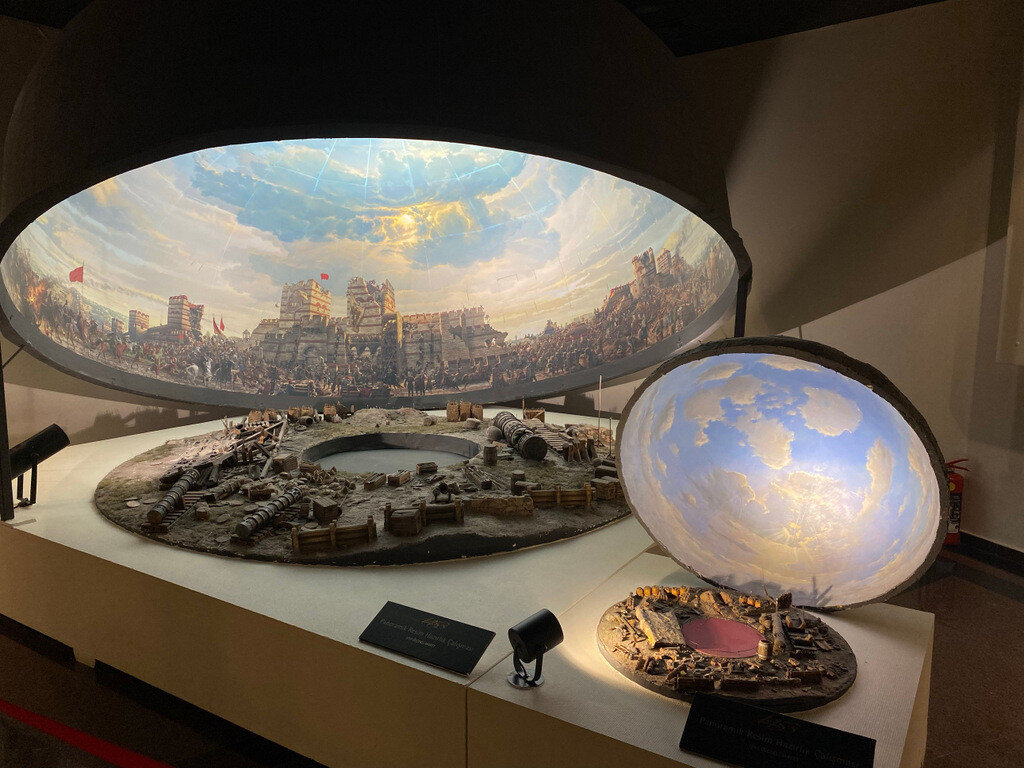
Panorama 1453 Museum presents the conquest of Constantinople through a massive 360-degree panoramic painting measuring 2,350 square meters.
The immersive artwork depicts the Ottoman siege of the city and the iconic Theodosian Walls, which had protected Constantinople for nearly a thousand years. These walls represent one of the greatest defensive systems of late antiquity.
The museum reflects a moment of triumph for the Ottomans and a moment of irreversible loss for Byzantium. It also demonstrates how military technology — particularly the massive 15th-century cannons — reshaped the fate of the city.
Visiting this museum after walking along the actual land walls creates a more complete historical perspective.
14. Fener and Balat
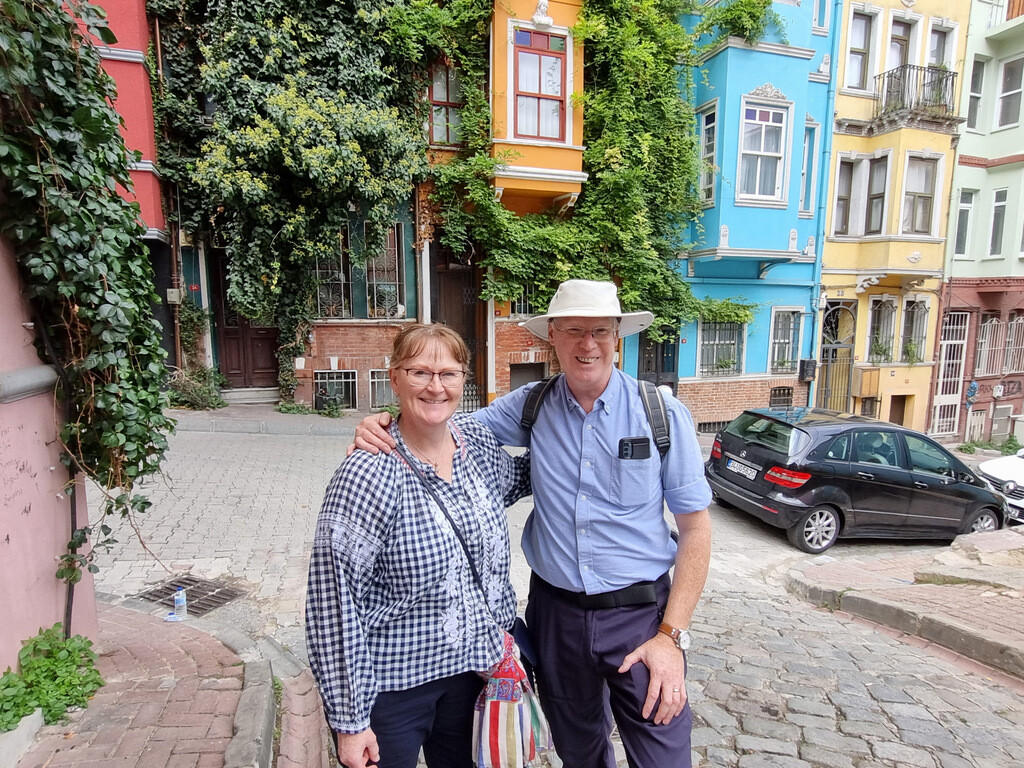
Fener and Balat have become one of the most popular walking routes in Istanbul in recent years. Historically home to Greek Orthodox and Jewish communities, these neighborhoods preserve the cosmopolitan character of Ottoman Istanbul.
Walking through these streets, you encounter churches, synagogues, mosques and colorful 19th-century houses standing side by side. It is easy to see why the “colorful houses of Fener Balat” trend on Instagram.
However, beyond the photogenic façades lies a deeper experience. I first designed a walking route here in 2008 for a small photography club, and over the years that informal exploration evolved into the structured tour I lead today — one where I sometimes arrange access to churches that are normally closed. Those moments, when a quiet interior suddenly opens to a small group, create an experience far beyond an average tourist visit.
Fener and Balat reward slow exploration rather than quick photography.
15. Chora Church
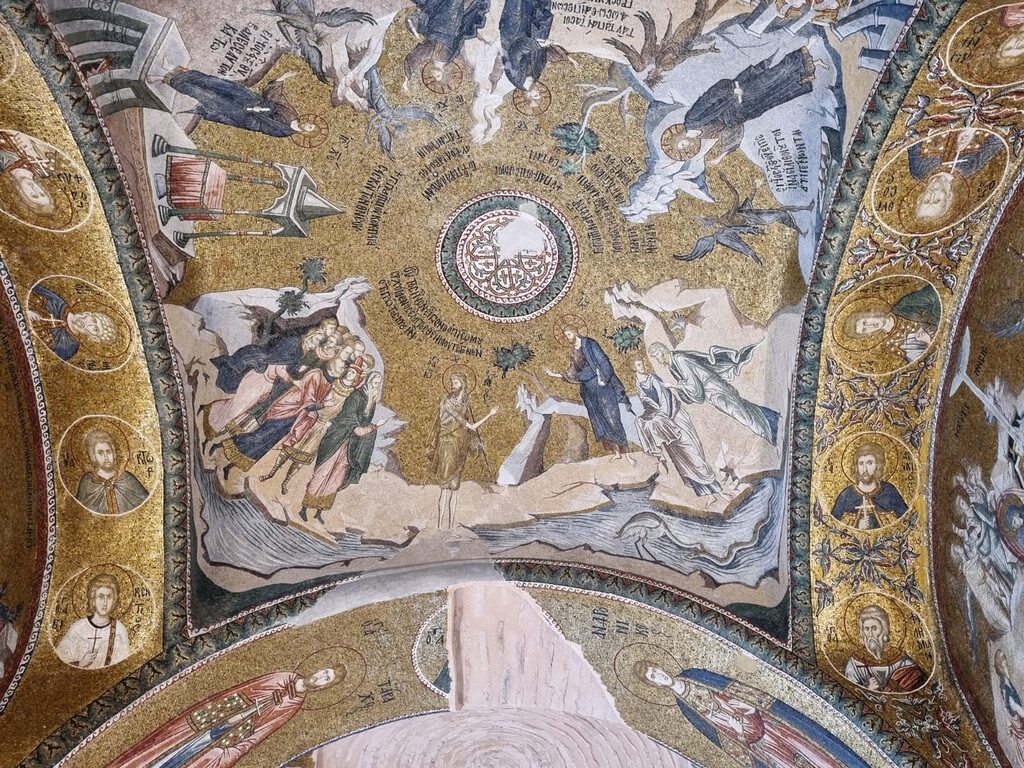
Chora Church contains some of the finest surviving examples of late Byzantine mosaic and fresco art.
The 14th-century mosaics, depicting scenes from the lives of Christ and the Virgin Mary, remain remarkably well preserved. The building was converted into a mosque during the Ottoman period, became a museum in the Republican era, and was reconverted into a mosque in 2020.
For those interested in art history, Chora represents the final artistic brilliance of Byzantium.
It is also a central stop in my Byzantine-themed tours. After spending hours discussing Byzantine history, theology and imperial politics, arriving at Chora often feels like the emotional conclusion of the journey. Visitors frequently stand in silence beneath the mosaics — not because they were told to, but because the space itself demands it.
16. Eyüp Mosque
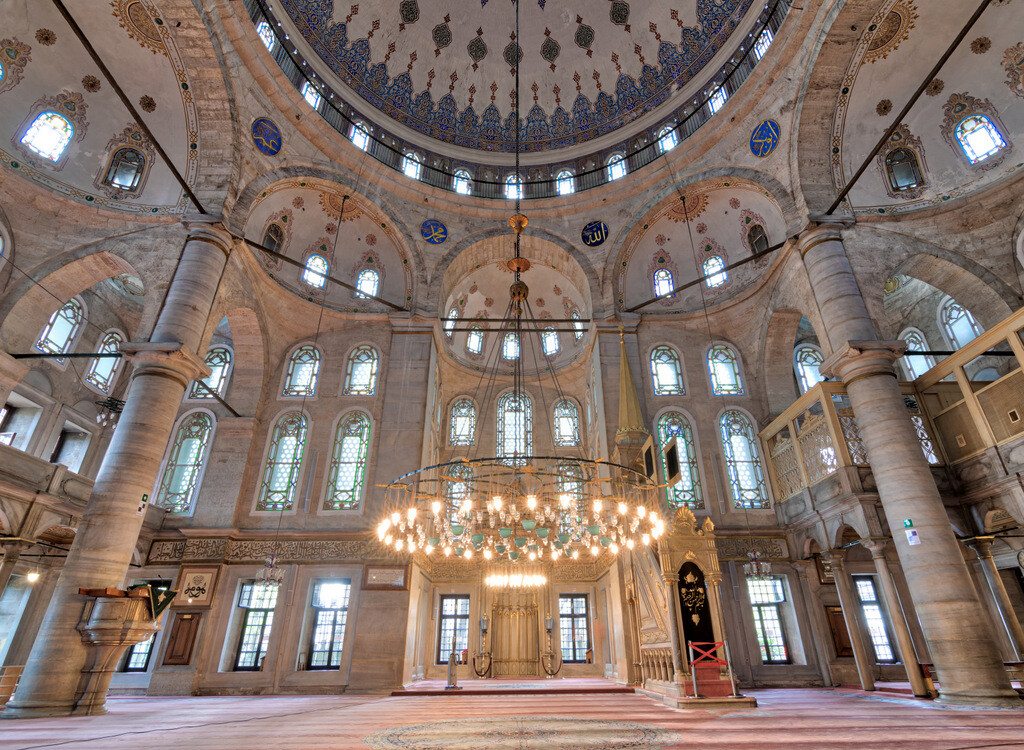
Eyup Mosque is one of the most spiritually significant sites in Istanbul.
Built near the believed burial place of Abu Ayyub al-Ansari, a companion of Prophet Muhammad, the mosque became an important Ottoman pilgrimage destination shortly after the conquest of the city.
Compared to imperial mosques, Eyup is modest in scale but strong in devotional atmosphere. Locals visit throughout the year to pray for health, success or meaningful life events. During Ramadan, the area becomes especially crowded.
If you visit, observe respectfully. Eyup is not primarily a monument — it is a living spiritual center.
17. Pierre Loti Hill
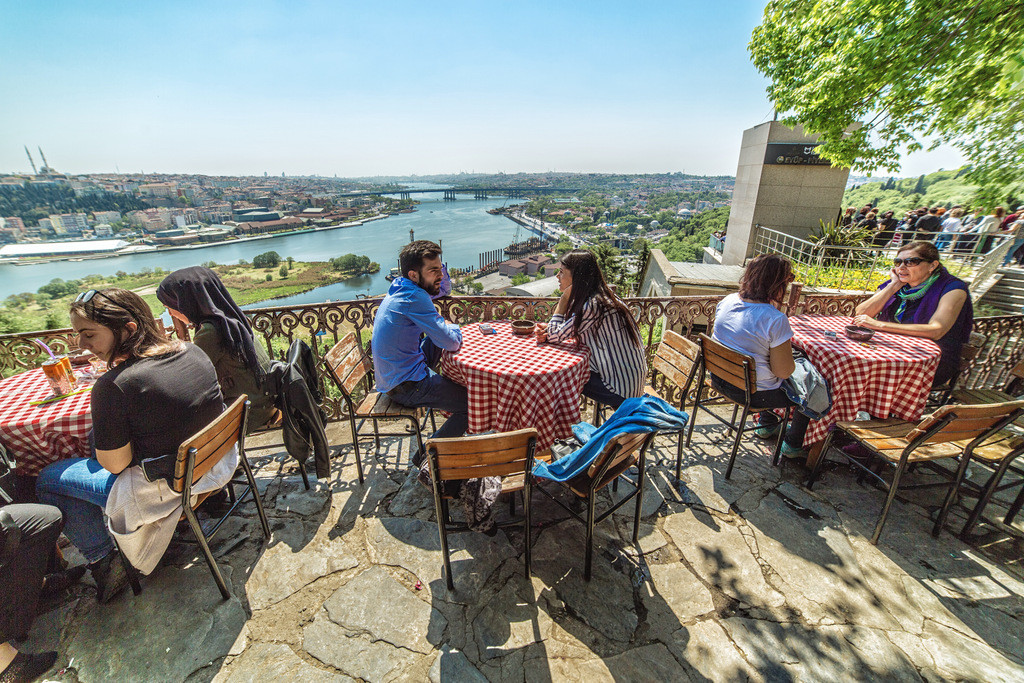
Pierre Loti Hill overlooks the Golden Horn and offers one of the most classic panoramic views of Istanbul.
Named after the French writer who found inspiration here during the Ottoman period, the hill is accessible by cable car from Eyup. At the top, a modest tea garden allows visitors to sit and watch the curving waters of the Golden Horn below.
I used to bring guests here during my tours to share tea while looking at the same view that inspired Pierre Loti. The cable car ride itself is memorable — though it passes above one of the city’s largest historic cemeteries, where many well-known figures are buried. For locals, this detail adds a certain quiet reflection to the experience.
Come for the view. Stay for the atmosphere.
18. Miniaturk
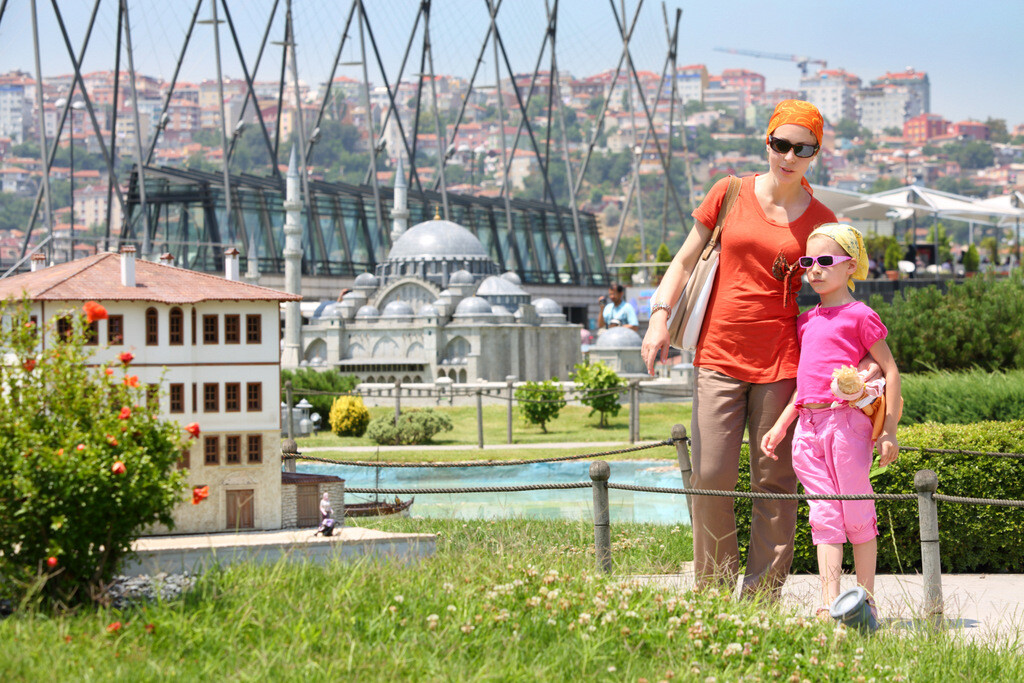
Miniaturk is an open-air museum displaying scale models of historical monuments from across Turkey.
Located in Sutluce at the end of the Golden Horn, it presents Seljuk, Ottoman and Anatolian heritage in miniature form. Reconstructions of ancient sites such as the Temple of Artemis and the Mausoleum at Halicarnassus allow visitors to visualize structures that no longer exist in full form.
Walking among these models often brings out a childlike curiosity in me. On a sunny spring day, the open-air setting makes the experience especially enjoyable. The museum also includes a pleasant cafeteria, making it a comfortable stop for families.
Miniaturk is both educational and unexpectedly fun.
19. Rahmi Koç Museum
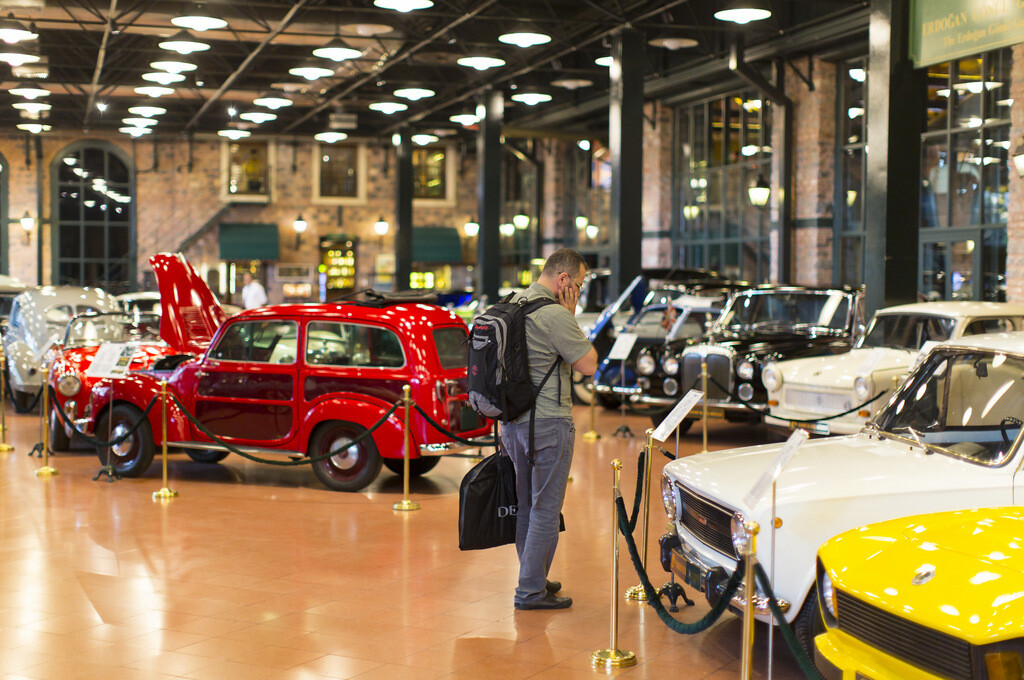
Rahmi Koç Museum, located in Haskoy on the Golden Horn, is Turkey’s first major industrial museum.
The collection includes vintage cars, trains, airplanes, a submarine and numerous technological artifacts from the 20th century. It is particularly appealing for families with children — yet adults often find themselves equally absorbed.
The museum’s layout extends into restored industrial buildings and waterfront sections. Beyond the exhibits, there are also appealing dining options, including Halat by Divan. Alternatively, visitors can enjoy tea and toast aboard the historic Fenerbahçe ferry docked at the museum pier.
Rahmi Koç Museum combines nostalgia with scale.
20. Galata Tower

Galata Tower is one of Istanbul’s most recognizable landmarks.
Although often associated with Byzantine history, the current structure was built by the Genoese in the 14th century when Galata functioned as a Latin trade colony. The tower symbolizes the commercial networks that once connected the Silk Road to Europe.
Today, Galata Tower operates as a museum with panoramic views of the city. It is extremely popular, especially among visitors seeking iconic photographs.
Personally, I rarely choose to go inside due to the crowds. Instead, I prefer watching the tower from nearby rooftops or terraces. The view from the top is impressive — but the tower itself is the most photogenic element of the skyline, and that perspective is best captured from a little distance.
Sometimes, stepping back offers the better frame.
21. Istiklal Street
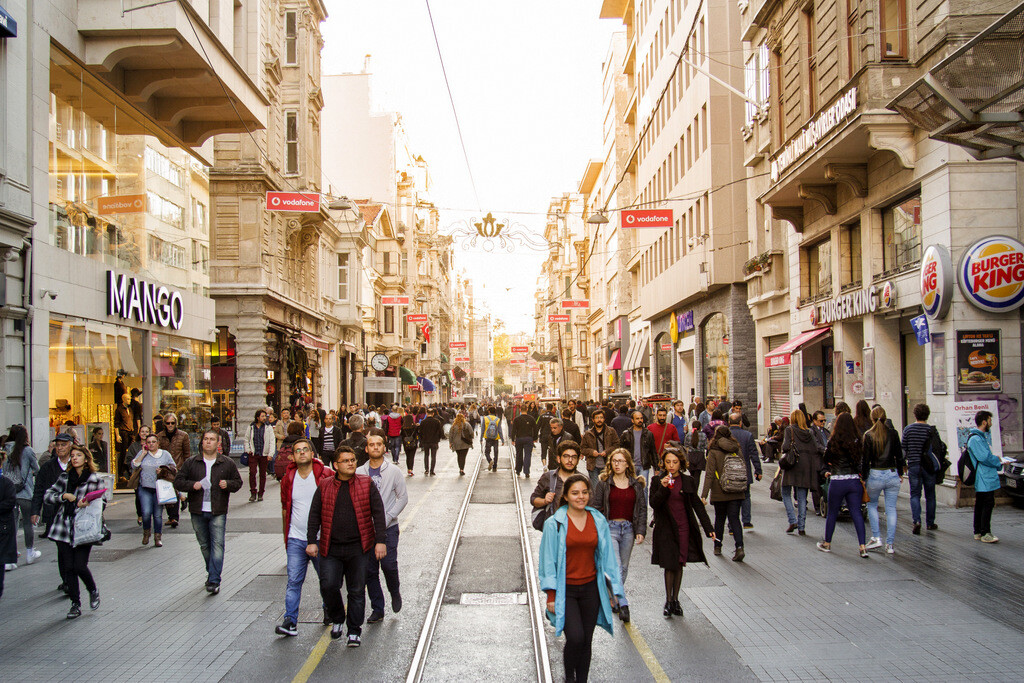
Istiklal Street stretches between Taksim Square and Galata, forming one of the most historically layered urban corridors in Istanbul.
Lined with cafés, bookstores, cinemas, churches and consulates, the street once represented the Western-facing identity of the late Ottoman Empire. Today, it is busier, louder and more commercial than it used to be — yet its architectural and cultural memory still survives.
I began my tourism career in 2001 at a hotel just a few steps away from Istiklal Street. The Istiklal of those years remains a nostalgic memory for me — more cultural, less crowded, more literary. Over the past two decades, the street has gradually transformed from an intellectual and artistic center into a shopping axis.
Still, if you look up instead of only forward, you will see historic façades, hidden passages and churches like Saint Anthony of Padua quietly preserving that older identity.
Istiklal is best explored slowly — and with curiosity.
22. Dolmabahçe Palace
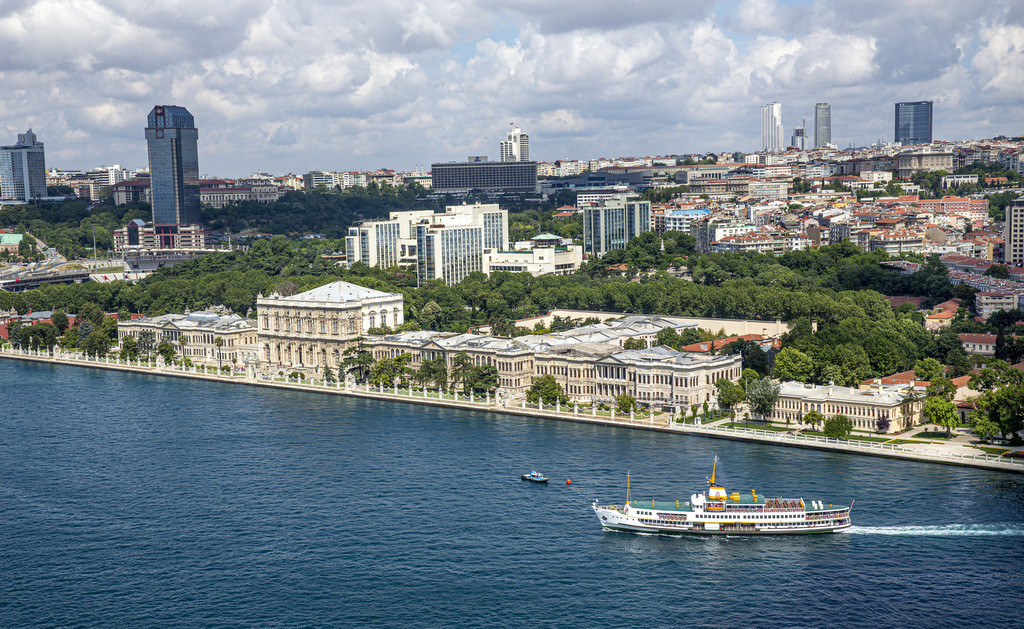
Dolmabahçe Palace marked a clear shift in Ottoman imperial aesthetics.
Beginning in the mid-19th century, Ottoman sultans gradually moved from Topkapı Palace to this waterfront residence on the Bosphorus. Architecturally, it blends Baroque and Neo-Classical elements with Ottoman design.
For locals educated on the classical rise of the Ottoman Empire, Dolmabahçe can feel almost excessively Western. For visitors from Europe, it may feel unexpectedly familiar — almost like a smaller Versailles.
Yet despite this cultural contrast, the palace is absolutely worth visiting. Its Bosphorus-facing rooms, ceremonial halls and especially its Hereke carpets reflect extraordinary craftsmanship. Whatever your perspective on 19th-century modernization, the scale and detail inside the palace remain impressive.
Dolmabahçe Palace is not about roots — it is about transformation.
23. Ortaköy
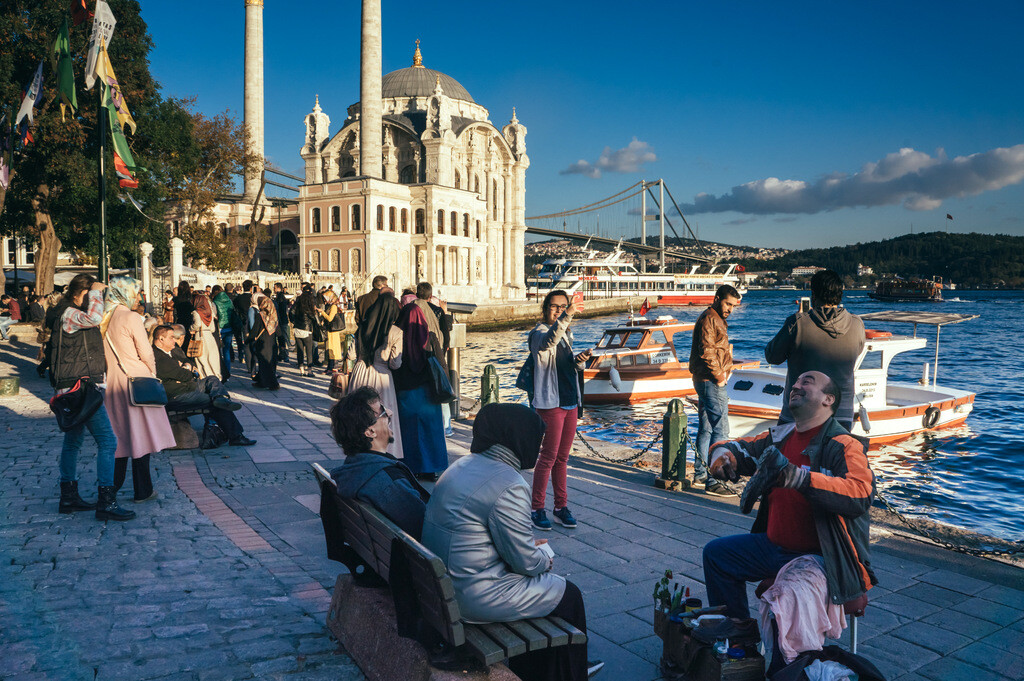
Ortaköy Square represents a joyful weekend atmosphere for many Istanbulites.
With the Bosphorus Bridge rising behind the elegant Ortaköy Mosque, the square offers one of the city’s most photographed compositions. Families gather here, children run after pigeons, and couples take souvenir photos against the water.
For locals, Ortaköy often symbolizes a relaxed Saturday or Sunday morning. After breakfast at one of the cafés, many people walk along the Bosphorus toward Bebek — a route that blends leisure with scenery.
Ortaköy is less about monuments and more about mood.
24. Bebek
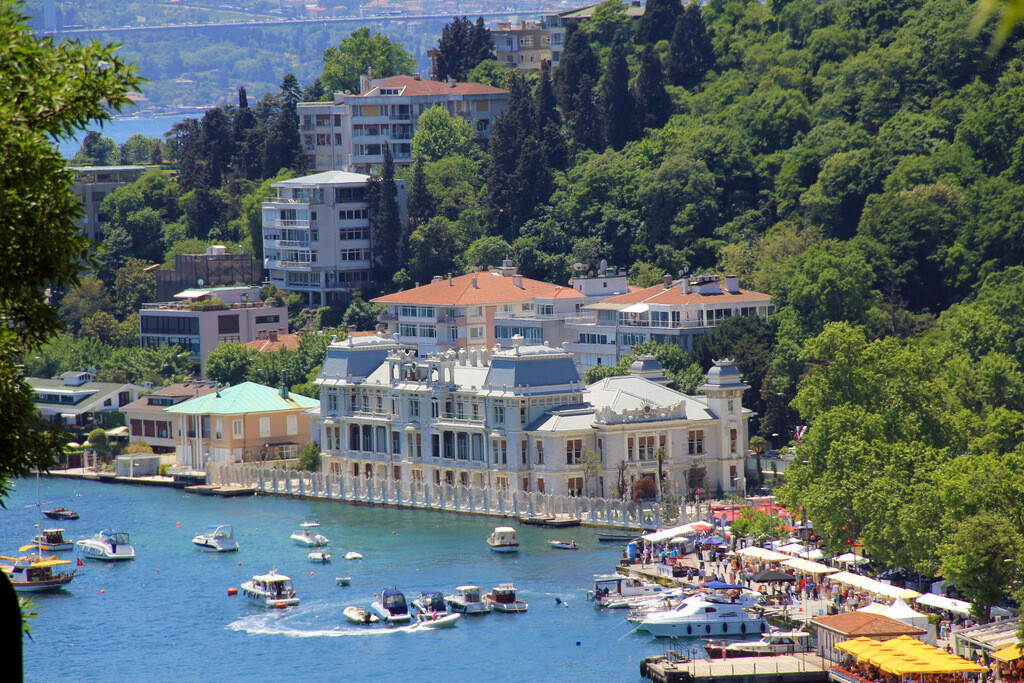
Bebek is one of the most upscale neighborhoods along the Bosphorus.
Known for its elegant cafés and sweeping waterfront views, it has long been associated with Istanbul’s social elite. The scenery is exceptional — but so are the prices.
Still, places like Divan or Baylan offer classic pastry experiences worth trying. After lunch, walking along the Bosphorus toward Rumeli Fortress — and even further toward Emirgan Park — provides one of the most enjoyable urban walking routes in the city.
Bebek may be refined and expensive, but the Bosphorus view belongs to everyone.
25. Bosphorus Cruise

A Bosphorus cruise completes the Istanbul experience.
After my walking tours, when guests ask what they should do next, this is usually my first suggestion. Without seeing the shores of the Bosphorus, your understanding of Istanbul remains incomplete.
From the water, you grasp the scale of the city — its palaces, fortresses, wooden mansions and hillsides. The Old City reveals history; the Bosphorus reveals geography and dimension.
Whether you choose a public ferry or a private tour, the cruise provides perspective. Istanbul is not only monuments — it is also shoreline.
26. Beylerbeyi
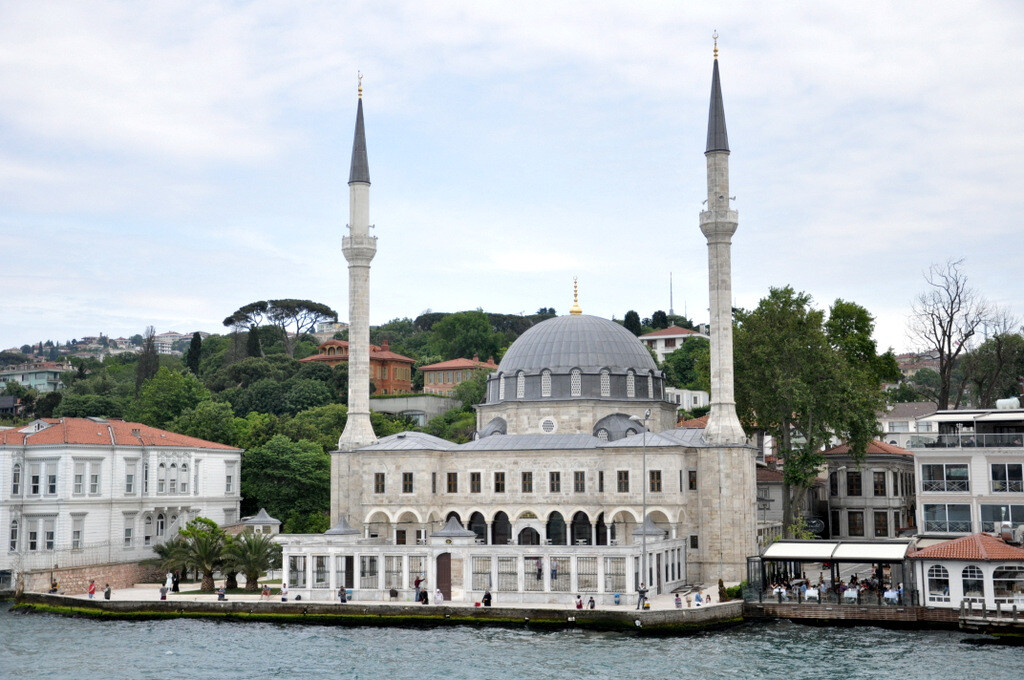
Beylerbeyi is one of the most peaceful districts on the Asian side of the Bosphorus.
Its 19th-century Beylerbeyi Palace reflects the same Western-influenced transformation seen in Dolmabahçe. Some interpret this style as a departure from classical Ottoman identity. Yet the palace’s refined rooms and serene gardens make it well worth a visit.
Nearby Kuzguncuk, with its multi-religious heritage and wooden houses, offers a more intimate continuation of the walk.
Beylerbeyi may represent change — but it also offers calm.
27. Çengelköy
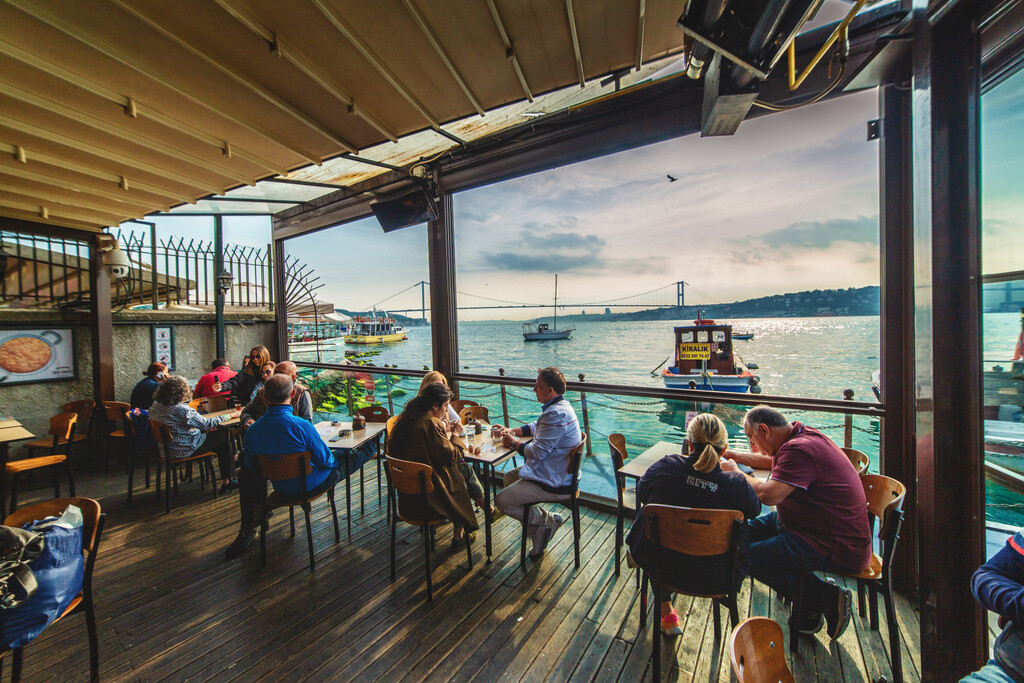
Çengelköy carries a warm, nostalgic atmosphere for many locals.
In the 1990s, a popular Turkish television series featured scenes set along its waterfront tea garden, embedding the district into collective memory. Even today, that gentle Bosphorus setting remains its strongest feature.
It is a pleasant place for breakfast or a relaxed stroll. However, the waterfront is narrow and can become crowded on weekends.
Çengelköy is not monumental — it is intimate.
28. Üsküdar
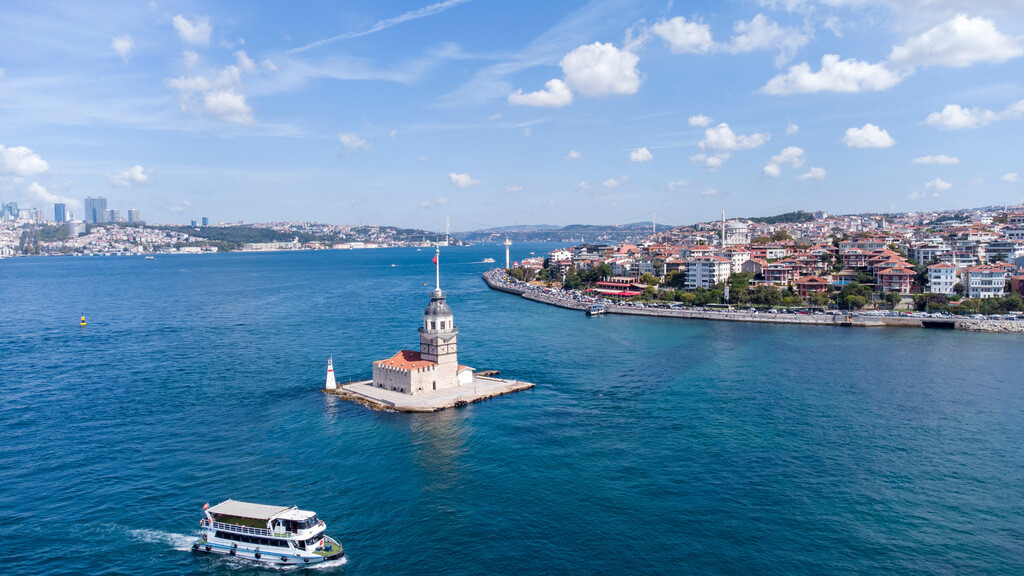
Üsküdar stands as one of the oldest settlements on the Asian side.
Its coastline is dominated by Mihrimah Sultan Mosque, built in the 16th century for the daughter of Suleiman the Magnificent. The area blends religious devotion, local restaurants and daily life.
Many visitors combine Üsküdar with a walk toward Maiden’s Tower, one of the most iconic silhouettes of Istanbul.
Üsküdar feels different from the European side — less touristic, more residential, more contemplative.
29. Kadıköy

Kadıköy is both a cultural and personal landscape for me — it is where I was born and raised.
The district combines markets, cafés, street food culture and waterfront life. Kadıköy Fish Market remains a key stop for culinary tours, while Bahariye Street and Moda offer lively urban energy.
Unlike Sultanahmet, Kadıköy is not about imperial history. It is about daily Istanbul — about rhythm, conversation and neighborhood identity.
I cannot pretend to be completely objective here. But that bias itself is part of the story.
30. Prince Islands
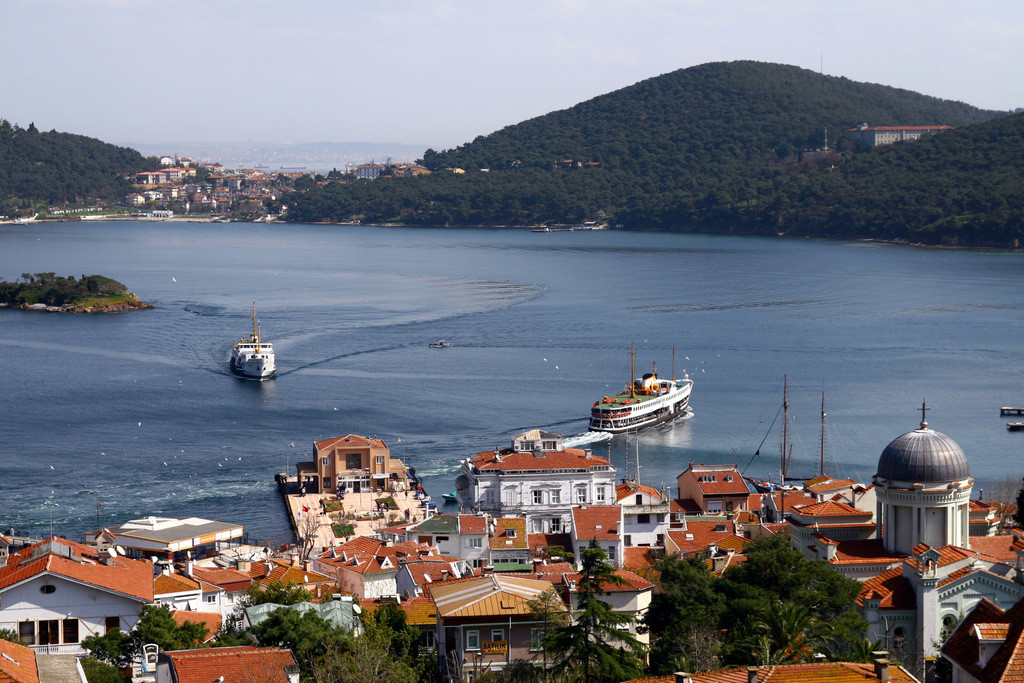
The Prince Islands offer relief from Istanbul’s intensity.
For locals, an island trip represents a weekend escape — a temporary withdrawal from traffic and noise. The absence of motor vehicles creates a rare sense of quiet.
Büyükada, Heybeliada and Burgazada each have distinct character. Wooden mansions, tree-lined streets and slow bicycle rides create the feeling of stepping back into 19th-century Istanbul.
If you want a long walk without engine noise — something truly luxurious in this city — the islands are the place.
Sometimes the best way to understand Istanbul is to leave it for a few hours.
Conclusion: Understanding Istanbul in Layers
Istanbul is not a city you “finish.”
You don’t visit it once and check it off a list. You move through it in layers — Roman foundations, Byzantine domes, Ottoman courtyards, 19th-century palaces, Bosphorus neighborhoods, and modern streets that continue evolving every year.
The 30 places above are not meant to overwhelm you. They are meant to structure your understanding.
Some travelers will focus on the Historic Peninsula and its imperial monuments. Others will be drawn to the Golden Horn, the Bosphorus shoreline, or the everyday rhythm of districts like Kadıköy and Üsküdar. The key is not to see everything — but to see each place with context.
If this is your first visit, use this guide to build a balanced itinerary. If you are returning, use it to explore beyond the obvious landmarks. Istanbul rewards curiosity, patience and time.
And if you walk slowly — especially in the early morning light or just before sunset — the city begins to reveal its scale.
Not only its monuments, but its continuity.
That continuity is what makes Istanbul different.
Written by Serhat Engul

I am interested in one or two 1/2 day tours but they cannot be exclusively walking tours. My husband can walk but not for long distances and needs to rest from time to time. We are arriving in Istanbul on Sunday, May 31, 2026, prior to embarking on a Regent cruise which begins June 3. We are staying at the Intercontinental Hotel.
My husband and I both are very much interested in history and have done some reading about Istanbul already. I was impressed by what I read on your site. Half day tours on the afternoons of June 1 and June 2 would be ideal.
If you are available, please quote me prices and suggest itineraries. Of course we want to see the major attrractions but are interested in lesser known ones as well.
Dear Jan Sargert,
Thank you very much for your kind message and your interest in Istanbul — I’m glad to hear that you found the article helpful.
First of all, please don’t worry about the walking aspect. Although my tours are designed as walking tours, the pace and route can always be adjusted according to your comfort level. We can include frequent breaks and plan the route in a way that avoids long or difficult walking distances.
However, I should note that I offer morning tours only, typically starting at 09:00–09:30 AM at the latest. During busy months such as May and June, afternoon visits to major historical sites can become quite crowded, which makes it difficult to maintain a smooth and enjoyable experience.
You can find my half-day private tour options at the link below (you can choose the one that best fits your interests, including both major landmarks and lesser-known sites):
https://istanbulclues.com/istanbul-guided-tours/
If you have flexibility in your schedule and would like to consider a morning tour, I would be happy to assist you further.
Kind regards,
Serhat Engül
Hi Serhat,
This information is so informative and entertaining. It is difficult to stop reading.
Have you got any tips for money, cash, or a visa card and is the e-card for traveling available at the airport?
I gather the best place to get cash is at the airport.
Kind regards
Anita
Dear Anita Malan,
Frankly, I don’t have very up-to-date information on this subject. I don’t know whether the foreign exchange offices at the airport offer advantageous prices.
If it were me, I would use my credit card for my purchases at the airport and wait until I got to Old City to exchange money.
There are foreign exchange offices near Sirkeci Tram Station in the Old City, where locals also exchange currency. From what I have observed, they offer the most balanced prices on USD/TL or EURO/TL basis.
The exchange offices I mentioned are located at the entrance of Hamidiye Street, right next to Sirkeci Tram Station. This road is also the road from Sirkeci to Spice Bazaar.
Best,
Serhat
Thank you for your valuable tips. You have covered everything.
Hi Senthilkumar, thank you for this valuable feedback.
i am coming istanbul in aprail and hope my visit will be great
I hope you will enjoy it brother. Istanbul is perfect in April. Best time to visit!
Wow!! Very informative, we’re visiting Istanbul for the first time next month. This has been extremely helpful, thank you for sharing!
Hello Karen Hudson, thank you very much for your great review! I hope you will enjoy your upcoming visit to Istanbul!
I love İstanbul! Thanks for sharing.
Hello Joshua, Thank you for your kind review.