Exploring landmarks such as Hagia Sophia or taking a Bosphorus cruise often defines a first visit to Istanbul. Yet beyond its monuments, the city reveals itself through smaller, everyday rituals — many of which unfold around street food stalls.
From ferry piers to market alleys, Istanbul’s street food culture reflects movement, migration, and daily urban rhythm. These foods are not staged attractions but practical meals shaped by commuting patterns, neighborhood life, and regional culinary traditions from across Turkey.
This guide focuses on widely recognized street foods that visitors are likely to encounter while moving between historic districts such as Sultanahmet, Eminönü, Beyoğlu, Karaköy, Kadıköy, and Beşiktaş. Rather than presenting an exhaustive gourmet list, it outlines accessible starting points for understanding Turkish cuisine in its most informal form.
Best Street Food in Istanbul (2026)
Most of Istanbul’s recognizable street food spots cluster around historic and transit-heavy districts. Areas such as Sultanahmet, Sirkeci, Eminönü, Beyoğlu (Taksim), Karaköy, Kadıköy, and Üsküdar serve as daily commuter hubs, and food culture naturally develops around ferry docks, tram lines, and busy squares.
While exploring these neighborhoods, it is often possible to step slightly away from the main tourist flow and observe where office workers, students, and local residents eat during lunch breaks or evening rush hours. Street food in Istanbul is less about hidden secrets and more about timing and foot traffic.
2026 Price Overview
As of early 2026, street food prices in Istanbul generally range between 25 TL and 600 TL, depending on ingredients and location.
- Simit: 20–25 TL
- Midye Dolma: 20–30 TL per piece
- Sweet Corn (boiled or grilled): 50–60 TL
- Roasted Chestnuts: 100–150 TL (small cone)
- Rice with Chickpeas: 100–150 TL (with chicken: 200–250 TL)
- Balık Ekmek (Eminönü): 260–300 TL
- Kokoreç: 300–500 TL
- Kumpir (Ortaköy): 350–600 TL
- Köfte / Döner (central areas): 250–450 TL
Exchange rates fluctuate, but at the time of writing, 1 USD is approximately 43–45 TL.
Street food is generally safe to consume in Istanbul, particularly in high-traffic areas with rapid turnover. However, if a meat-based sandwich is priced significantly below the city average, caution is advisable. In central districts, fish, chicken, or meat sandwiches rarely cost less than 250 TL.
1. Balık Ekmek
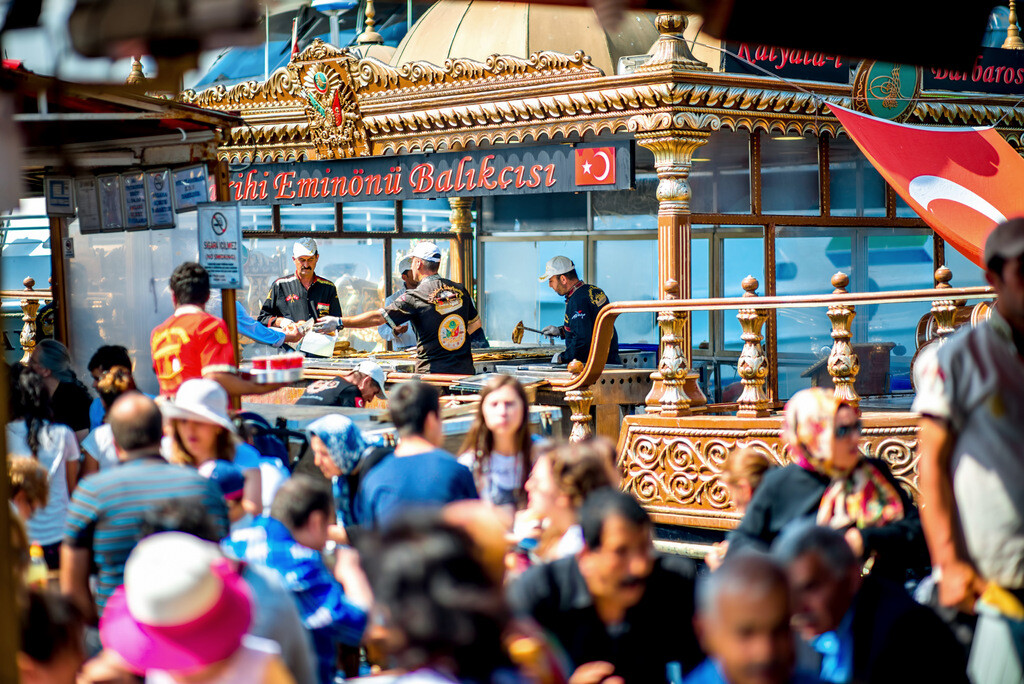
Balık ekmek (fish sandwich) is available in many districts of Istanbul, but when locals mention it, Eminönü is usually the first place that comes to mind. Along the waterfront, small boats grill mackerel sandwiches while seagulls circle overhead and ferries cross the Golden Horn. Many visitors choose to eat on simple street stools facing the water, with the silhouette of Galata Tower visible in the distance.
Near Galata Bridge, which connects Karaköy and Eminönü, you will find numerous vendors selling similar sandwiches. Under the bridge itself, several restaurants offer tables overlooking the water if you prefer a more settled setting while tasting freshly grilled fish. The area is within easy walking distance of Sultanahmet and Karaköy, making it a natural stop between major sights.
For a slightly different atmosphere, some locals prefer quieter neighborhoods along the Bosphorus. In places like Yeniköy, modest waterfront eateries such as Nimet Abla Balık Ekmek or Taka Balık Ekmek are known for simple but well-prepared sandwiches, including grilled anchovy when in season.
2. Midye Dolma

Midye dolma consists of mussels stuffed with spiced rice, currants, and pine nuts, typically served with a squeeze of lemon. It is one of the most recognizable evening street snacks in Istanbul, especially in busy waterfront districts and market areas.
You will often see vendors carrying trays of mussels or small street carts lined with neatly arranged shells. While many locals buy them casually from standing stalls, some visitors prefer more established venues. Well-known names such as Mercan Kokoreç and Şampiyon Kokoreç offer midye dolma in central areas like the Beyoğlu Fish Market near Taksim and the Kadıköy Market on the Asian side.
Another longstanding option is Tarihi Karaköy Midyecisi, a shop dating back to 1921. Located in Karaköy, within walking distance of Galata Bridge, it provides a more settled setting for those who prefer to sit down while tasting this classic street snack.
3. Kokoreç
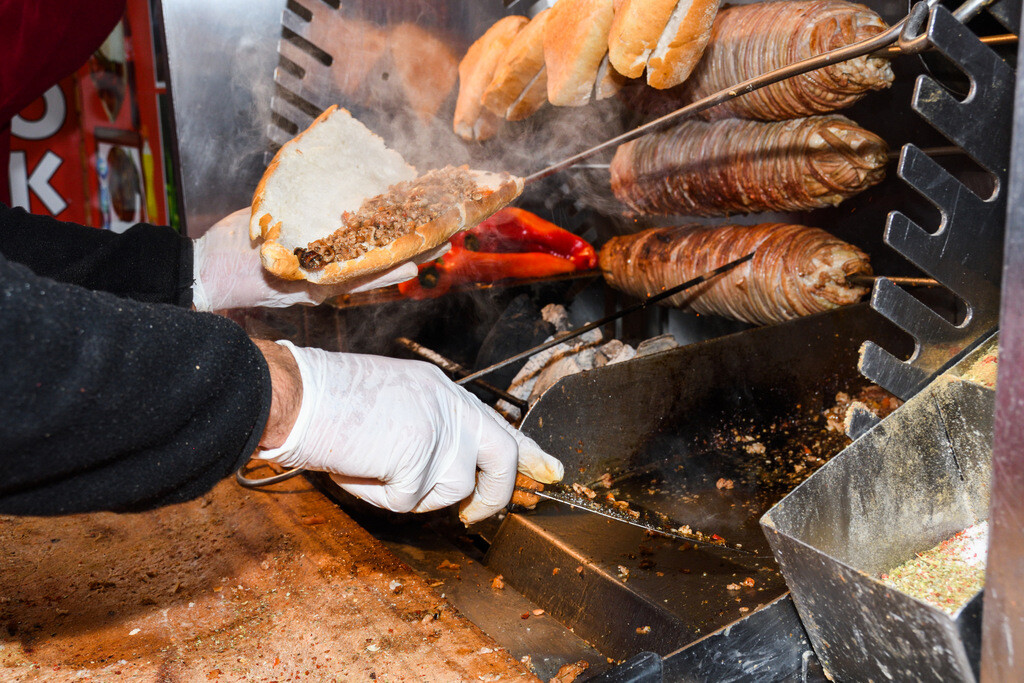
Kokoreç is a traditional offal sandwich made from seasoned lamb intestines, slowly grilled over charcoal and finely chopped before being served in bread. It is especially popular in the evenings and is often associated with late-night food culture in Istanbul. Broadly speaking, you may encounter two common styles: the more finely chopped and herb-forward İzmir style, and the slightly chunkier Istanbul version.
On the Asian side, Çengelköy Kokoreççisi in the waterfront neighborhood of Çengelköy has built a loyal local following over the years. Its single-branch setup and well-balanced seasoning — often enhanced with thyme and pepper — make it a steady reference point for many regulars.
In more central areas, visitors frequently come across kokoreç shops near Istiklal Street and the Beyoğlu Fish Market, within walking distance of Taksim Square. Names such as Mercan Kokoreç and Şampiyon Kokoreç are commonly seen in these districts. On the Asian side, options like Güneş Kokoreç in Üsküdar or Meşhur Kokoreççi Adem Usta in Kadıköy are among the established choices.
For those staying near Sultanahmet, Gala Kokoreç in Sirkeci — opposite the historic Post Office building — offers an accessible stop within walking distance of the Old City’s main landmarks.
4. Pilav
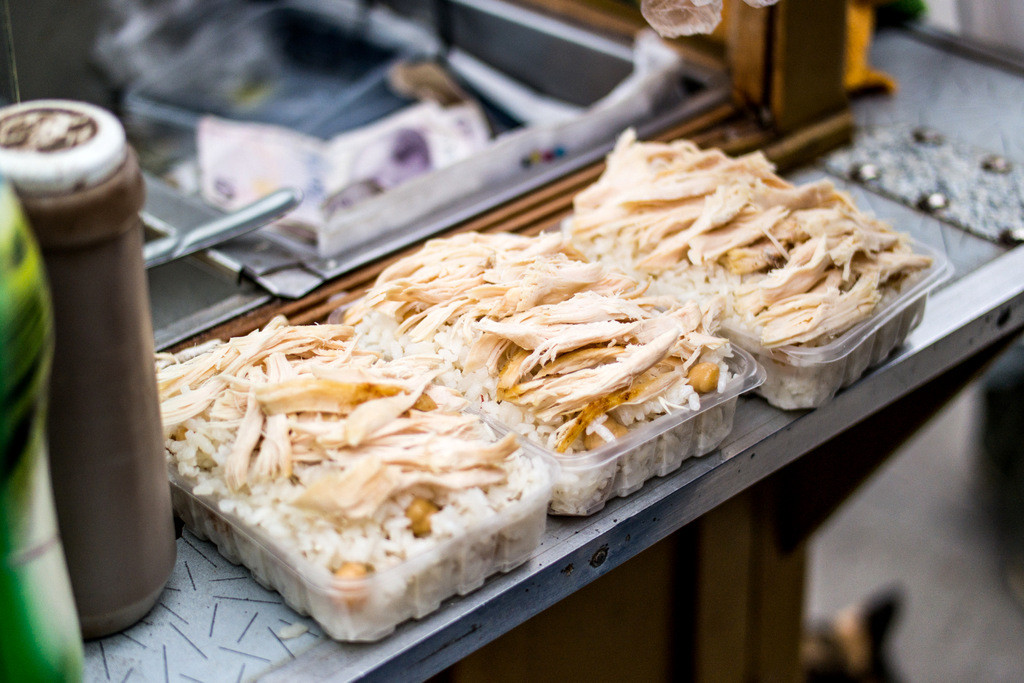
Pilav (rice pilaf) is one of the most widespread street foods in Istanbul and can be found throughout the day, from small neighborhood stalls to late-night counters. It is typically served plain or topped with shredded chicken, beans, or sautéed meat, and often accompanied by a cup of ayran.
Some of the better-known addresses are located in the older commercial districts. Meşhur Tahtakale Pilavcısı, near the Spice Bazaar, is a compact and long-standing stop where many locals opt for pilav with chicken. Nearby, Meşhur Unkapanı Pilavcısı, close to Atatürk Bridge, is another reference point in the Historic Peninsula.
For a slightly richer variation, Tarihi Kalkanoğlu Pilavcısı prepares pilav with butter and broth, offering options such as fried meat or beans. Branches can be found in Beyoğlu and Kadıköy. On the Asian side, Pilavcıoğlu, near the Kadıköy Fish Market, is another established choice, serving pilav alongside simple soups and sautéed dishes.
Although modest in appearance, pilav remains one of the most filling and practical street food options in the city, especially for those seeking a quick and affordable meal between sightseeing stops.
5. Simit

Simit is one of the simplest yet most visible elements of daily life in Istanbul. In the early hours of the morning, street vendors stack circular sesame-crusted breads on red carts, and commuters often carry one alongside a small glass of Turkish tea — whether on the pavement or aboard the city’s ferries.
It is usually eaten plain or split and filled with white cheese. Some vendors also offer sweeter variations, but the classic combination of simit and tea remains the most common choice.
Across different neighborhoods, long-standing bakeries continue this tradition. Addresses such as Tarihi Karaköy Galata Simitçisi in Karaköy, Tarihi Harbiye Fırını in Şişli, Tarihi Boğazkesen Fırını in Cihangir, and Çiğdem Pastanesi in Sultanahmet are among the established names often mentioned by locals.
These historic districts — where many traditional bakeries are located — also happen to be areas where visitors choose to stay, offering easy access to both landmarks and everyday food culture.
6. Köfte Ekmek
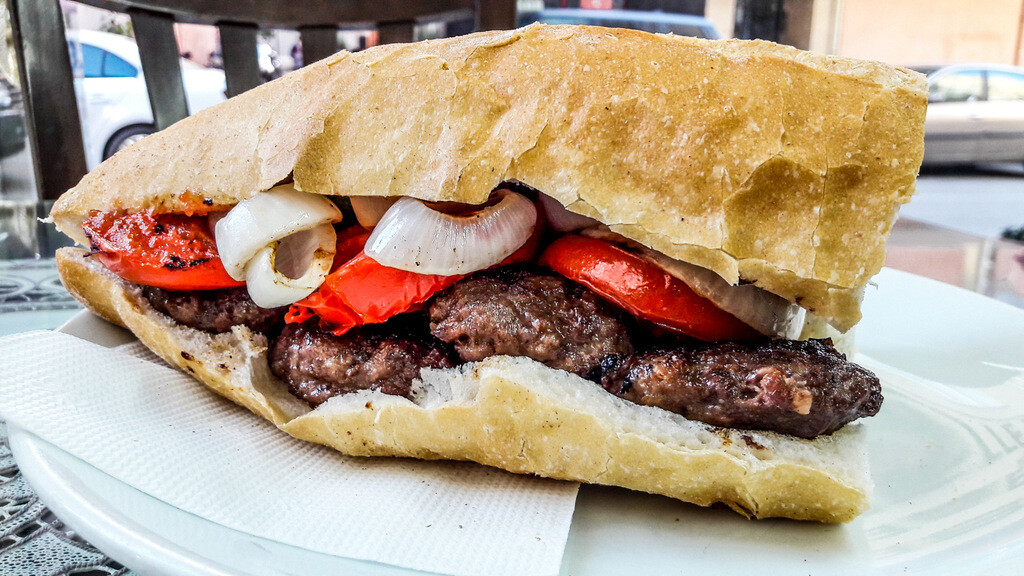
Köfte ekmek — grilled meatballs served in bread — is one of the most practical street foods in Istanbul. It is commonly associated with football match days, when vendors line the streets around stadiums, especially near Beşiktaş Stadium, filling the air with the scent of charcoal grills.
Beyond stadium areas, köfte ekmek vendors appear wherever crowds gather — along the Bosphorus waterfront, near ferry docks, and in busy squares. For many locals, it is less a tourist snack and more a familiar part of everyday urban life.
In Beyoğlu, Köfteci Hüseyin, within walking distance of Taksim Square, is a long-standing stop. Those staying in the Old City may head to Hocapaşa Street near Sirkeci Tram Station, where Rumeli Köftecisi and Filibe Köftecisi stand side by side. In Beşiktaş, Şöhretler Köftecisi is another established name, while on the Asian side, Express İnegöl Köftecisi near the Kadıköy Fish Market attracts a steady local clientele throughout the day.
Although simple in appearance, köfte ekmek reflects Istanbul’s social rhythm — quick, communal, and often eaten standing, just a few steps from the street.
7. Mısır
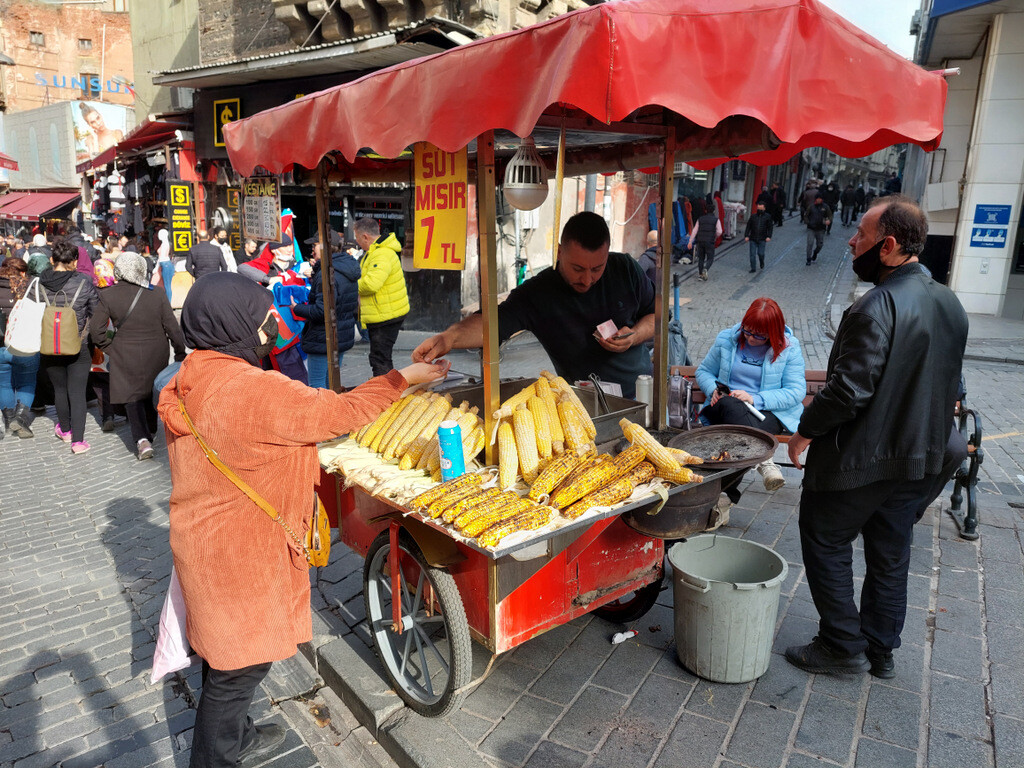
Mısır (sweet corn) is one of the simplest yet most visible elements of Istanbul’s street food scene. Vendors typically serve it boiled or grilled, and in recent years, some stalls have begun offering it in cups mixed with butter or spices.
Corn stalls appear in busy public spaces rather than hidden back streets — near ferry docks, market entrances, and large squares. You will often encounter them around the Spice Bazaar, in Sultanahmet, or in waterfront districts such as Kadıköy, Üsküdar, Eminönü, and Beşiktaş. Because it is easy to eat while walking, mısır functions more as a light pause between stops than a full meal.
Although modest, it reflects Istanbul’s everyday rhythm: practical, seasonal, and closely tied to pedestrian life.
8. Döner Kebab
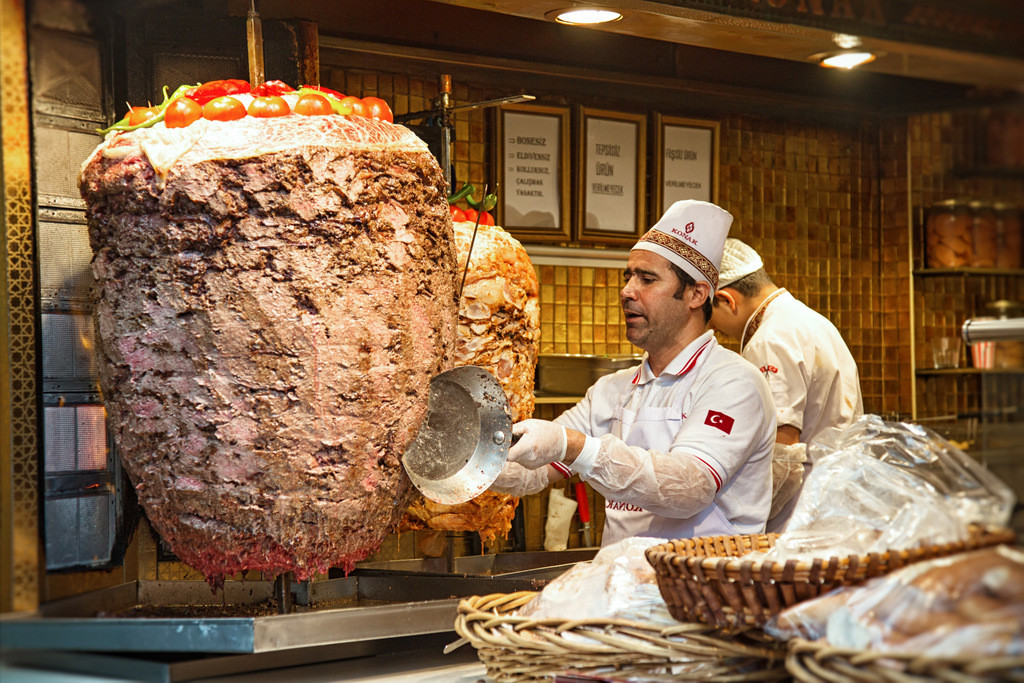
Döner kebab remains one of the most widely consumed quick meals in Istanbul. Thin slices of seasoned meat rotate vertically over heat and are served either in bread or on a plate. While döner can be found throughout the city, long-standing shops in older commercial districts often attract a steady local crowd.
In areas such as Sultanahmet, Eminönü, Beşiktaş, and Üsküdar, smaller eateries filled with office workers during lunch hours are usually a reliable sign of freshness. Names such as Dönerci Şahin Usta near the Grand Bazaar, Karadeniz Döner (Asım Usta) in Beşiktaş, or Zümrüt Döner near the Spice Bazaar are frequently mentioned among regulars.
It is not accidental that many well-known street food stops cluster near ferry piers. Districts like Karaköy, Eminönü, Beşiktaş, Kadıköy, and Üsküdar serve as daily transit hubs, and food culture naturally develops around these commuter flows. Observing where locals eat during rush hours often tells you more than any recommendation list.
9. Kumpir
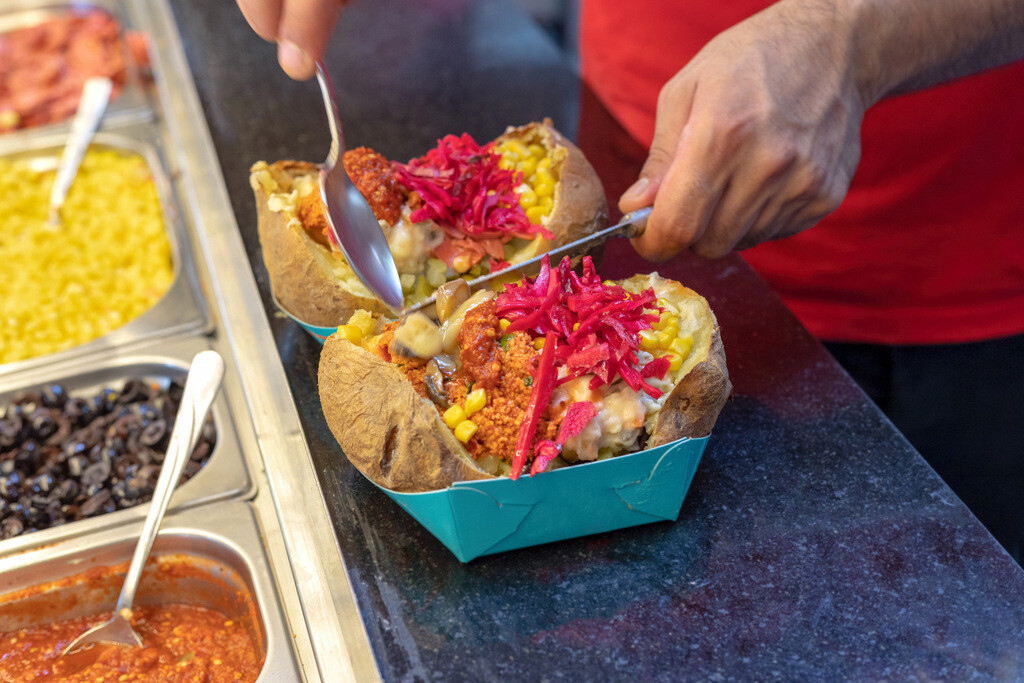
Kumpir (baked potato) is closely associated with Ortaköy, a Bosphorus neighborhood known for its waterfront square and mosque view. Along the main pedestrian street, rows of vendors prepare large baked potatoes in dedicated ovens, opening them wide and mixing the inside with butter and cheese before adding toppings of your choice.
Common additions include Russian salad, bulgur salad, mushrooms, olives, corn, or red cabbage with yogurt. The experience is less about a single “best” shop and more about the atmosphere: ordering from one of the lined-up counters, sitting along the waterfront, and watching the Bosphorus traffic pass by with Ortaköy Mosque in the background.
Many visitors continue their walk along the shoreline toward Bebek afterward — a route that reflects how street food in Istanbul often blends naturally with the city’s geography.
10. Islak Hamburger
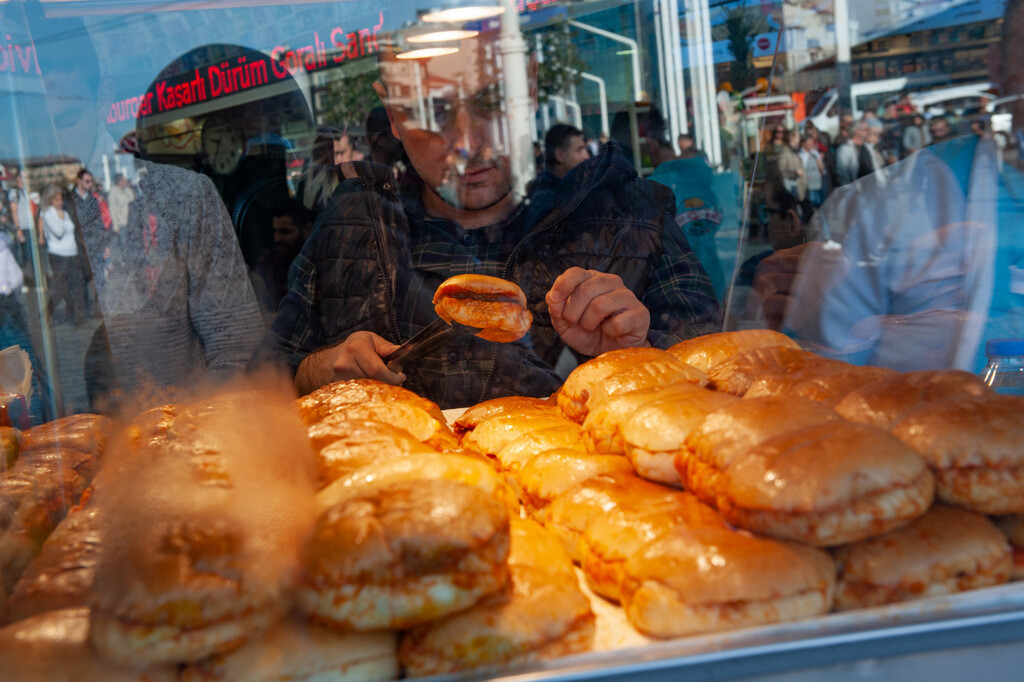
Islak hamburger (literally “wet burger”) is one of the distinctive late-night snacks of Istanbul, especially associated with Taksim Square and Sıraselviler Street. The burger is lightly steamed after being coated in a garlicky tomato-based sauce, giving it its characteristic soft texture.
Shops around Taksim display stacks of these small burgers inside glass cases, gently steaming until ordered. The flavor profile is simple yet rich, with noticeable butter and spice. It is most commonly eaten standing, often after concerts, night outings, or late ferry rides.
Among the well-known addresses in the area, Kızılkayalar is frequently mentioned due to its central location and long-standing presence. As with many Istanbul street foods, timing and setting — especially the late-night atmosphere — shape the experience as much as the food itself.
11. Kestane

Kestane (roasted chestnuts) has long been associated with Istanbul’s winter streets, although today vendors can be seen in many seasons. Small carts with glowing charcoal braziers appear in high-footfall areas such as Taksim, Eminönü, and Sultanahmet, especially during the colder months.
Roasted chestnuts are typically sold by weight in paper cones and eaten while walking. Their appeal lies less in complexity and more in timing — warm in hand, simple in flavor, and easy to consume between sightseeing stops. In winter evenings, the scent of roasting chestnuts often becomes part of the city’s atmosphere.
12. Pide
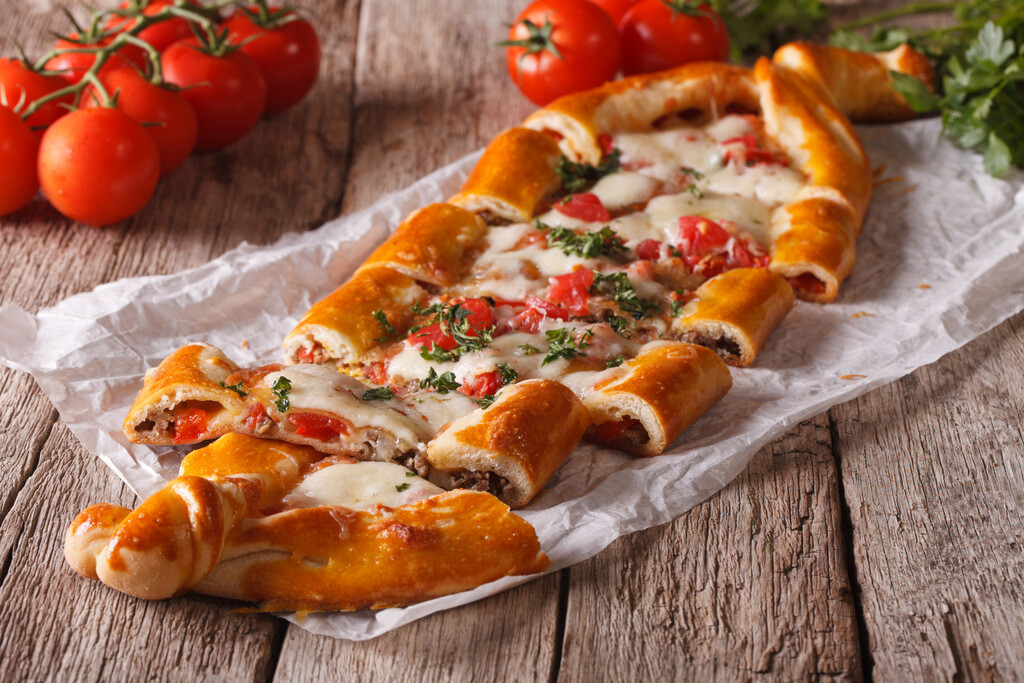
Pide is an oval-shaped flatbread baked in a stone oven and topped with ingredients such as cheese, minced meat, egg, or sausage. While its elongated shape may remind some visitors of pizza, pide has its own seasoning profile and baking technique rooted in Anatolian cuisine.
In the historic peninsula, small restaurants around Sirkeci and Hocapaşa Street, within walking distance of Sultanahmet, are common places to try freshly baked pide. On the Asian side, eateries inside or near the Kadıköy Fish Market also serve reliable versions, including well-known names such as Pide Sun.
Unlike quick street snacks eaten standing, pide is usually enjoyed seated, often shared, and prepared to order — making it closer to a casual meal than a grab-and-go bite.
13. Lahmacun
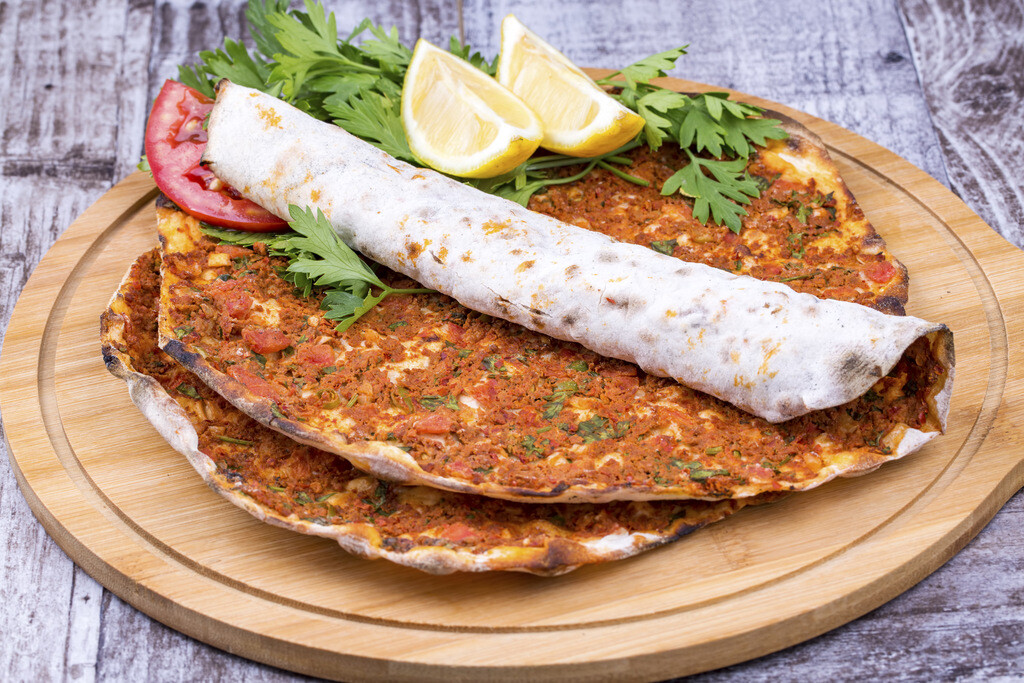
Lahmacun is a thin flatbread topped with finely minced meat, herbs, and spices, and it is widely consumed across Istanbul. Although it appears simple, regional variations from cities such as Gaziantep, Urfa, and Adana influence its seasoning and texture, reflecting broader Anatolian culinary traditions.
In the historic peninsula, restaurants near the Spice Bazaar, including Hamdi Restaurant, serve well-known versions. Around Taksim, places such as Münhasır Döner & Kebab also include lahmacun on their menus.
On the Asian side, Kadıköy offers several long-standing options. Names such as Borsam Taşfırın and Çiya Sofrası are often mentioned when discussing regional styles and broader Anatolian cuisine. Lahmacun is typically rolled with parsley and a squeeze of lemon, making it easy to eat and share.
14. Gözleme
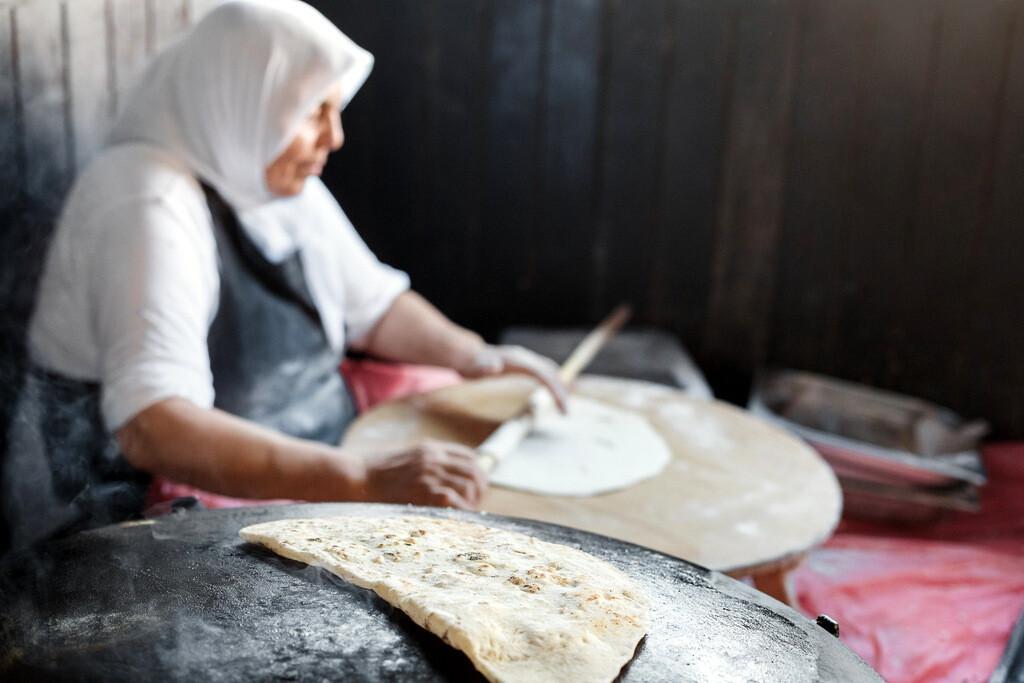
Gözleme is a traditional flatbread filled with ingredients such as spinach, potatoes, cheese, or minced meat, then cooked on a large convex griddle. Because it is prepared fresh to order, it is less common as a quick grab-and-go street snack compared to other items on this list.
In the Old City, small eateries along the slope descending beside Hagia Sophia, near the tram line, sometimes prepare gözleme in view of passersby. Establishments such as Otantik Anadolu Yemekleri, with branches in Beyoğlu and Kadıköy, focus on traditional home-style dishes and include gözleme among their offerings.
Unlike faster street foods, gözleme is usually eaten seated and prepared individually, giving it a more domestic character within Istanbul’s broader food culture.
15. Cağ Kebap
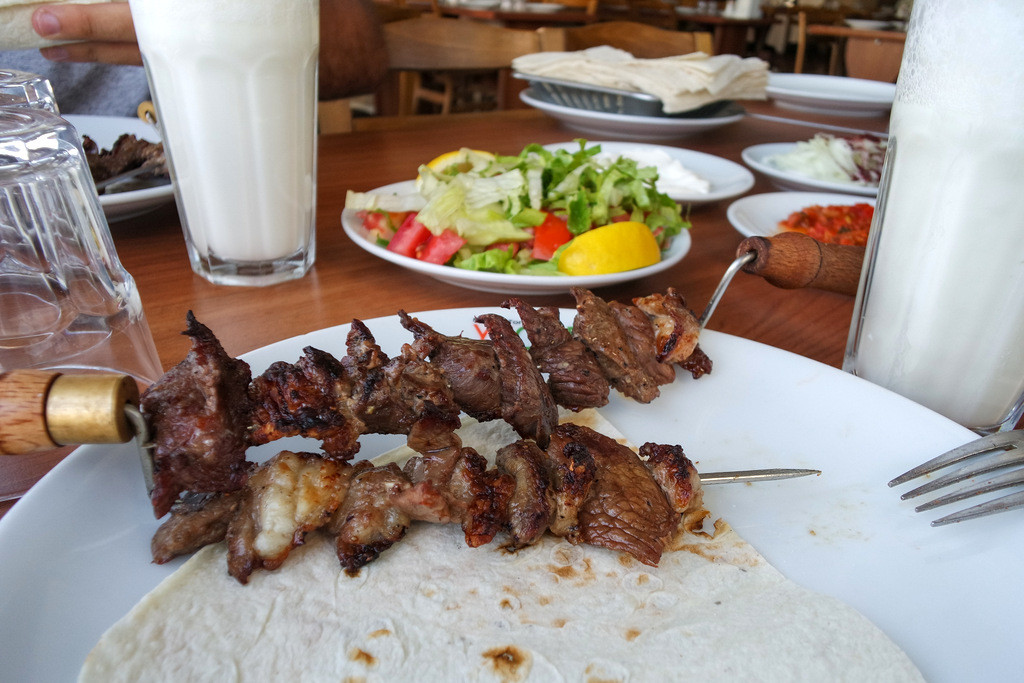
Cağ kebap originates from Erzurum in eastern Turkey and is traditionally made from horizontally stacked lamb, slow-roasted and sliced onto small skewers. While it may resemble döner at first glance, its preparation technique and seasoning differ, resulting in a richer and more pronounced lamb flavor.
In the Sirkeci neighborhood, Hocapaşa Street has become known for its concentration of regional restaurants. Among them, Şehzade Cağ Kebap is frequently cited as a reference point for this Erzurum specialty. The area is easily accessible from both Sultanahmet and Taksim, making it a practical stop within the historic center.
Hocapaşa’s appeal lies not in a single dish, but in its representation of Anatolia’s regional cuisines within a compact alley — a reminder that Istanbul’s street food culture often reflects migration patterns and culinary diversity from across Turkey.
Conclusion
The dishes listed above represent only a portion of Istanbul’s street food culture, yet they offer a practical introduction to the city’s everyday culinary rhythm. From ferry piers to market streets, these foods are woven into daily routines rather than presented as staged attractions.
For first-time visitors, they provide an accessible way to experience Turkish cuisine in its most informal form — standing at a counter, sharing a table, or eating between historic landmarks. Beyond this selection, however, Istanbul’s food scene extends into regional restaurants, neighborhood bakeries, and small family-run establishments that reflect the city’s layered identity.
If you wish to explore further, you may also consult my detailed guide on a self-guided food tour in Istanbul, which maps out a deeper culinary route across different districts.
Written by Serhat Engul

We will be in Istanbul for 4 days in October (2024). We are not BIG eaters, so I am not sure we will see the inside of a restaurant because the street food looks so good and abundant!
Hello, thank you for the feedback on the post. Yes, I think you will be satisfied with the street food places in Istanbul that offer a variety of local dishes.
Hi,
Thank you for the nice recommendations.
What would you suggest for the 24th of December?
Greetings,
Pernille
Hello Pernille,
Apart from what I mentioned here, there are also great street restaurants to go to, especially in winter. Istanbul gets quite cold during the winter months and it is very popular to eat soup in the city’s old restaurants during these times.
I think Karakoy Corba Evi (Karakoy Soup House) in Beyoglu (near Galataport Cruise Terminal) is a great place to go in December. Here you can find every kind of soup you can think of (21 types).
This restaurant is located on Kemankes Karamustafa Pasha Street in the Karakoy district, opposite JW Marriot Hotel Istanbul Bosphorus.
Best,
Serhat
Greetings Serhat,
Will be visiting Istanbul in late October. We are interested in a private Grand Bazaar tour & Food Tour then.
Please advise
Thank you
Wade
Greetings Wade, I don’t think Grand Bazaar and street food are on the same tour. Mostly Spice Bazaar is included in food tours. You can reach the tour I recommend from this link here. Also, the information on self-guided street food tour article may be useful.
I am excited to go very soon, Thank You for all your recommendations!
Hello Havi, thank you for the feedback. Have a nice trip!