Shopping in Istanbul is not just about filling a suitcase. It is about understanding what the city produces, values, and exports—both culturally and materially.
From the vaulted corridors of the Grand Bazaar to the spice-scented lanes of Eminönü, and from contemporary boutiques in Nişantaşı to neighborhood textile markets, Istanbul offers more than souvenirs. It offers objects shaped by trade routes, craftsmanship traditions, and a living urban economy.
In this city, traditional and modern retail exist side by side. In historical bazaars, negotiation is still part of the rhythm. In shopping malls and designer districts, prices are fixed and the atmosphere is entirely different. Knowing this contrast helps you navigate the experience with realistic expectations.
Rather than listing “cheap buys” or tourist trinkets, this guide focuses on items that genuinely represent Istanbul’s material culture—things that carry history, daily life, or contemporary design within them.
15 Things to Buy in Istanbul (2026)
Below, you will find fifteen carefully selected categories that reflect what Istanbul is known for today—both historically and commercially.
The first group centers on traditional products commonly found in and around the Grand Bazaar and the Egyptian (Spice) Bazaar: textiles, ceramics, jewelry, spices, and symbolic objects that have been part of the city’s trade identity for centuries.
The later sections move beyond tourist corridors and highlight modern retail districts, contemporary Turkish designers, and textile production that connects Istanbul to global fashion markets.
This is not a checklist to rush through. It is a structured overview designed to help you understand:
- what represents Istanbul,
- where different items are typically found,
- and what to consider before purchasing.
If you would also like to explore where to shop—by neighborhood and district—you can refer to the dedicated shopping guides on this site. Here, the focus remains on the objects themselves.
1. Turkish Rugs & Kilims
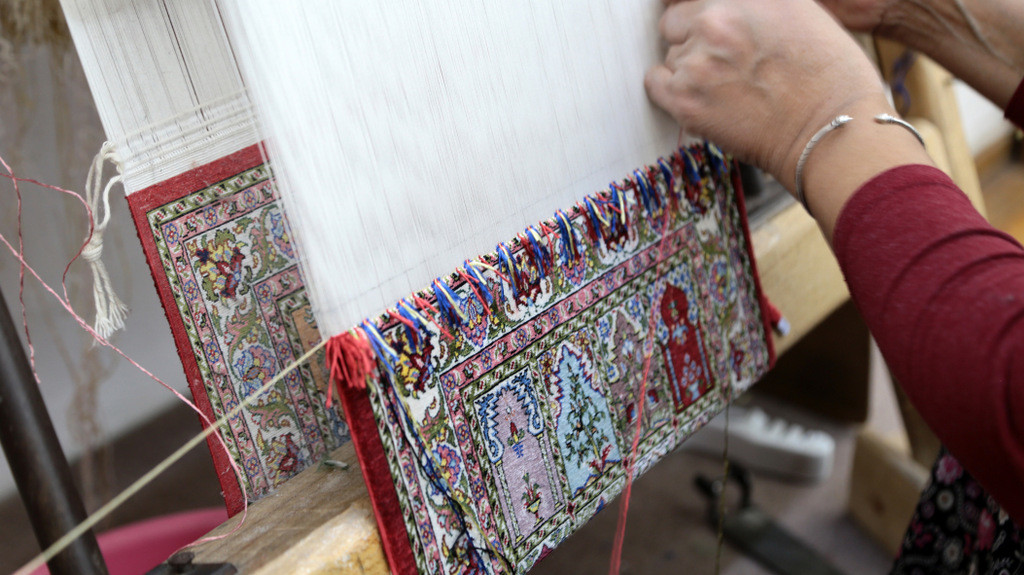
Handwoven rugs and kilims are among the most culturally significant items you can buy in Istanbul. Beyond their decorative appeal, they represent centuries of Anatolian weaving traditions shaped by nomadic life, regional symbolism, and natural dyes.
In the Grand Bazaar and surrounding streets, you’ll find everything from machine-made decorative carpets to genuine hand-knotted pieces. If you’re considering a serious purchase, take time to understand the difference between handmade and factory production. Knot density, natural dye variation, and slight irregularities are often signs of authenticity.
For smaller budgets, flat-woven kilims are easier to transport and still reflect traditional patterns. For larger investments, reputable dealers will explain origin, age, and materials clearly. A good rug purchase is not a quick decision—it’s something you compare carefully.
2. Leather Goods
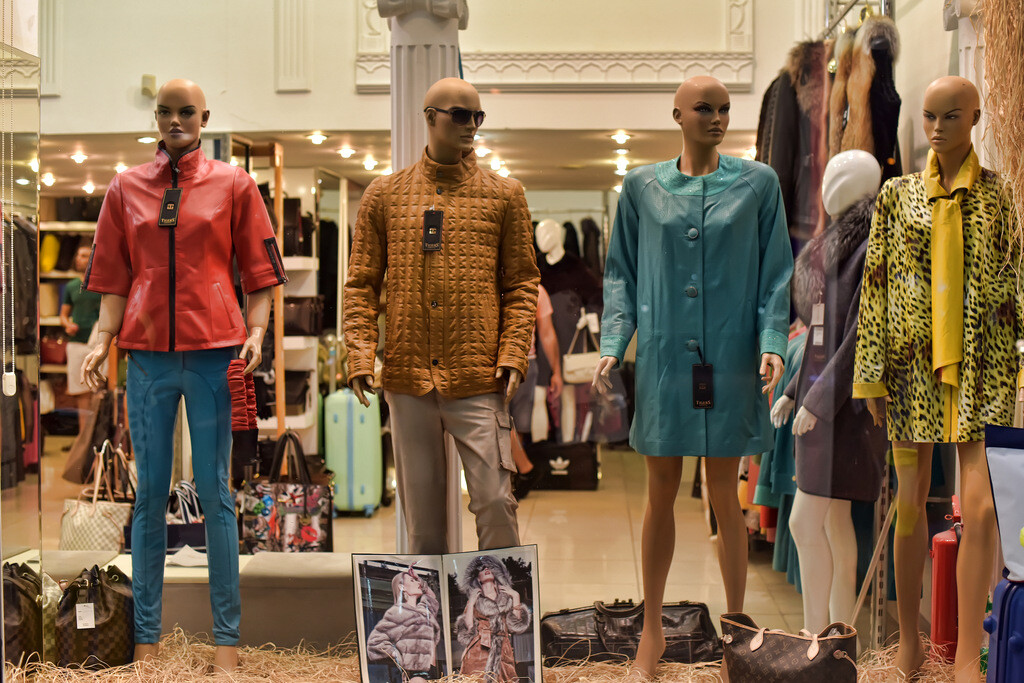
Turkey has a long-standing leather manufacturing industry, and Istanbul remains one of the main retail hubs. Jackets, bags, belts, and wallets are widely available in both tourist areas and modern districts.
Rather than focusing on “cheap prices,” it’s better to think in terms of craftsmanship and material quality. Genuine leather has a natural grain, a flexible texture, and a distinct smell. Synthetic products, often sold nearby, feel more uniform and rigid.
If you’re browsing in the Grand Bazaar, examine stitching and lining details. In more contemporary neighborhoods like Nişantaşı or Galata, you’ll also find local brands producing modern leather designs.
3. Gold & Fine Jewelry
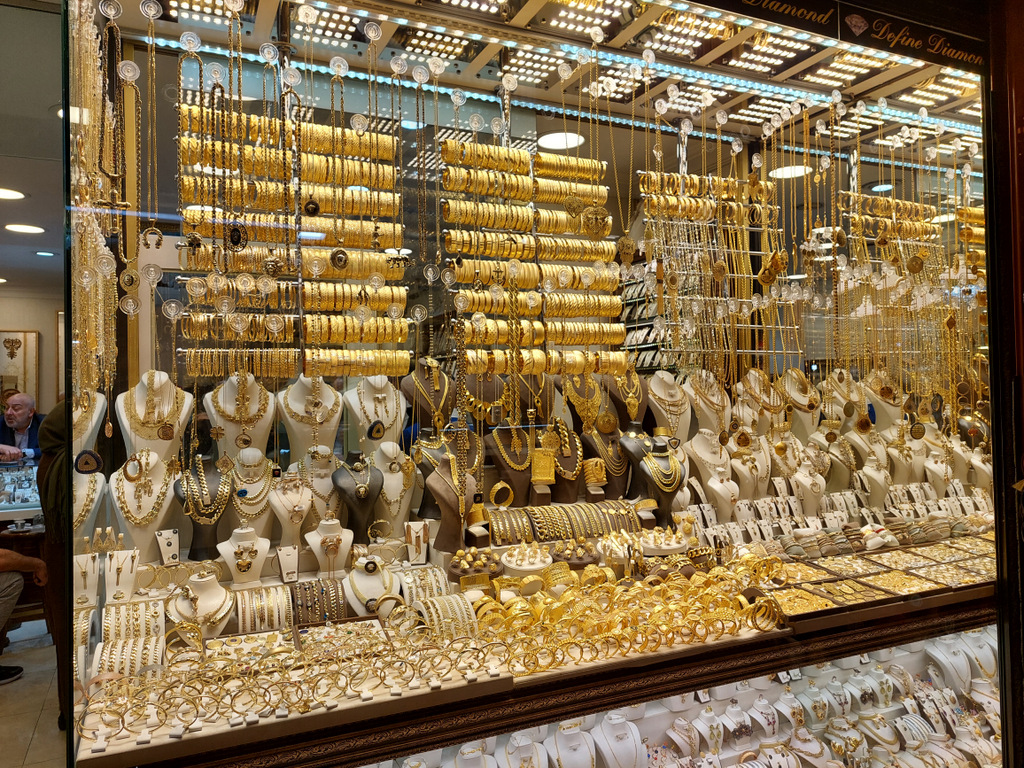
Jewelry shopping in Istanbul ranges from traditional gold pieces to contemporary design studios. The Grand Bazaar is particularly known for gold trading, and many shops specialize in fine jewelry with certified stones.
It’s important to distinguish between costume jewelry (common in tourist sections) and fine gold pieces sold by established jewelers. Reputable sellers provide clear weight and karat information.
If you are looking for something timeless rather than decorative, focus on craftsmanship and documentation rather than visual impact alone.
4. Iznik Ceramics & Ottoman-Inspired Tiles

The blue-and-white ceramic tradition often associated with Ottoman architecture traces back to Iznik workshops of the 15th and 16th centuries. Today, Istanbul offers both decorative replicas and handmade ceramic pieces inspired by those historical motifs.
Souvenir stalls typically sell printed tiles at modest prices. Artisan workshops and galleries, on the other hand, produce hand-painted ceramics using traditional techniques.
If authenticity matters to you, ask about production methods and glazing processes. A handcrafted ceramic piece can serve as a meaningful reminder of Istanbul’s artistic heritage.
5. Nazar (Evil Eye) Objects
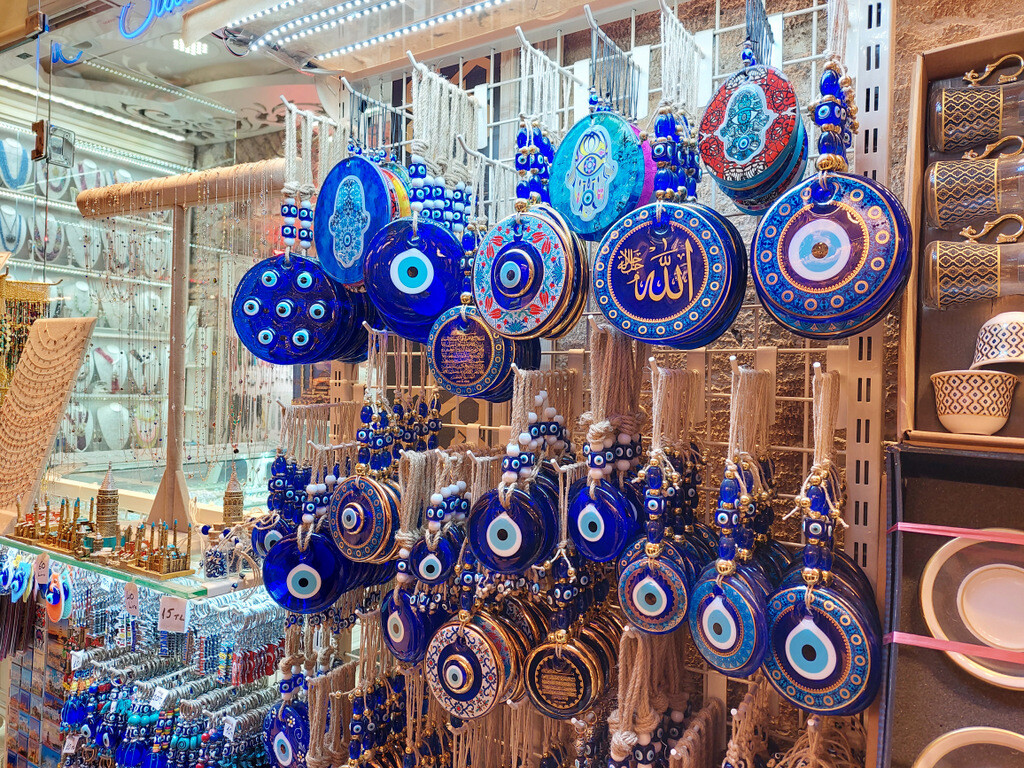
The Nazar boncuğu, or “evil eye,” is one of Turkey’s most recognizable symbols. Traditionally believed to protect against negative energy, it appears in homes, shops, taxis, and offices across the country.
You’ll find it in many forms—wall hangings, jewelry, magnets, keychains. While often inexpensive, its value lies more in cultural symbolism than in material worth.
As a small souvenir, it’s easy to pack and carries a clear connection to everyday Turkish life.
6. Spices from the Egyptian (Spice) Bazaar
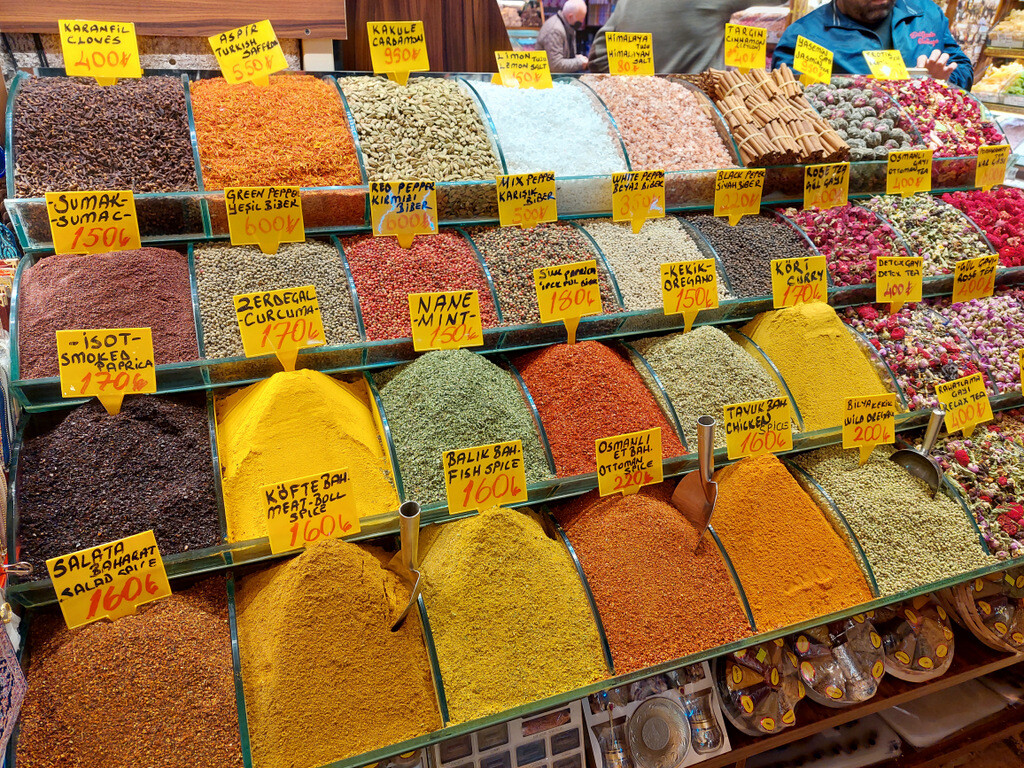
The Spice Bazaar in Eminönü is less about quick purchases and more about sensory experience. Spices, dried herbs, teas, and nuts are displayed in vivid colors and strong aromas.
Common purchases include sumac, pul biber (red pepper flakes), saffron, and dried mint. Quality varies from shop to shop, so comparing prices and freshness is worthwhile.
If you cook regularly, small quantities of well-chosen spices are easier to carry and more practical than buying in bulk.
7. Turkish Delight & Traditional Sweets
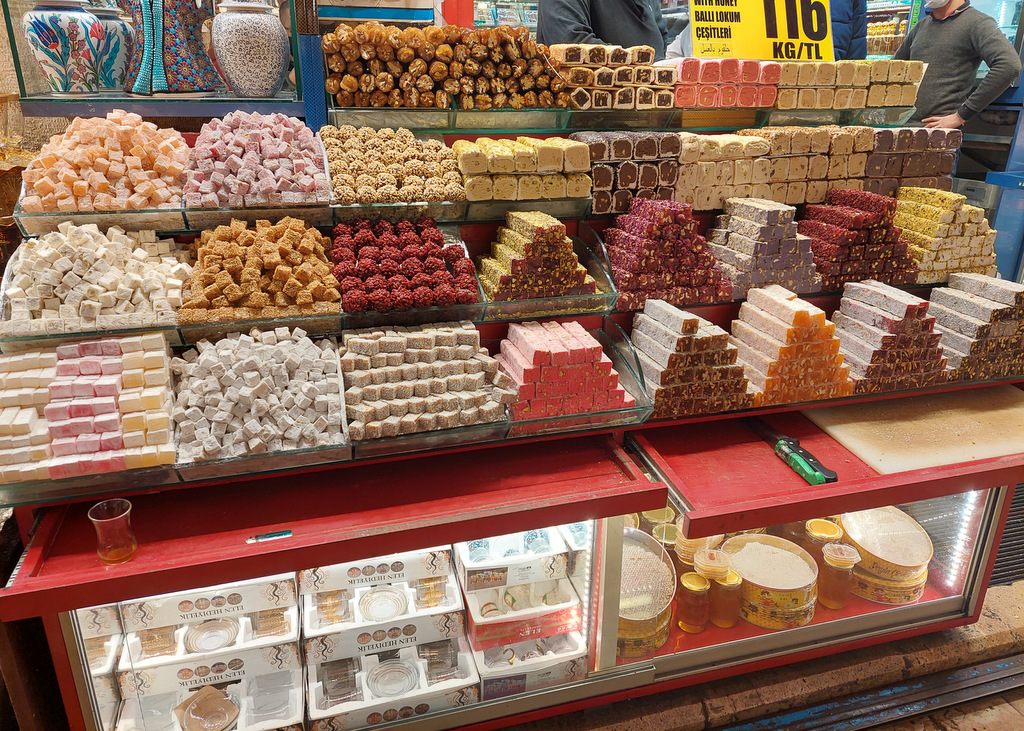
Turkish Delight (lokum) remains one of the most popular edible souvenirs. Pistachio, rose, pomegranate, and walnut varieties are common, alongside baklava and other syrup-based desserts.
Look for shops that offer samples and clearly state ingredients. Freshness makes a significant difference in texture and taste.
For travel convenience, boxed assortments are easier to transport than loose packages.
8. Turkish Coffee & Copper Cezve Sets
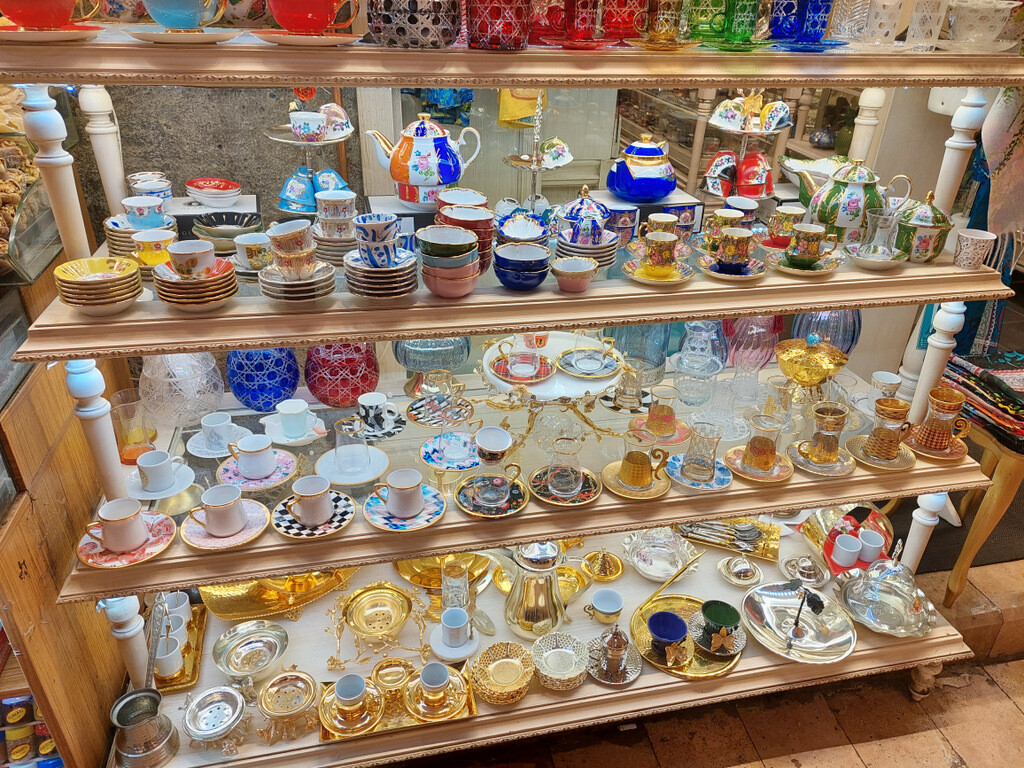
Turkish coffee is not just a drink but a ritual. Small copper cezves (coffee pots), porcelain cups, and hand grinders are widely available in historical bazaars.
A complete set—cezve, cups, and freshly ground coffee—makes a practical and culturally rooted gift. Copper items should feel solid and well-finished; very lightweight pieces are often decorative rather than functional.
If you enjoy preparing coffee slowly at home, this is one of the most meaningful purchases you can make.
9. Hamam Textiles & Natural Soaps
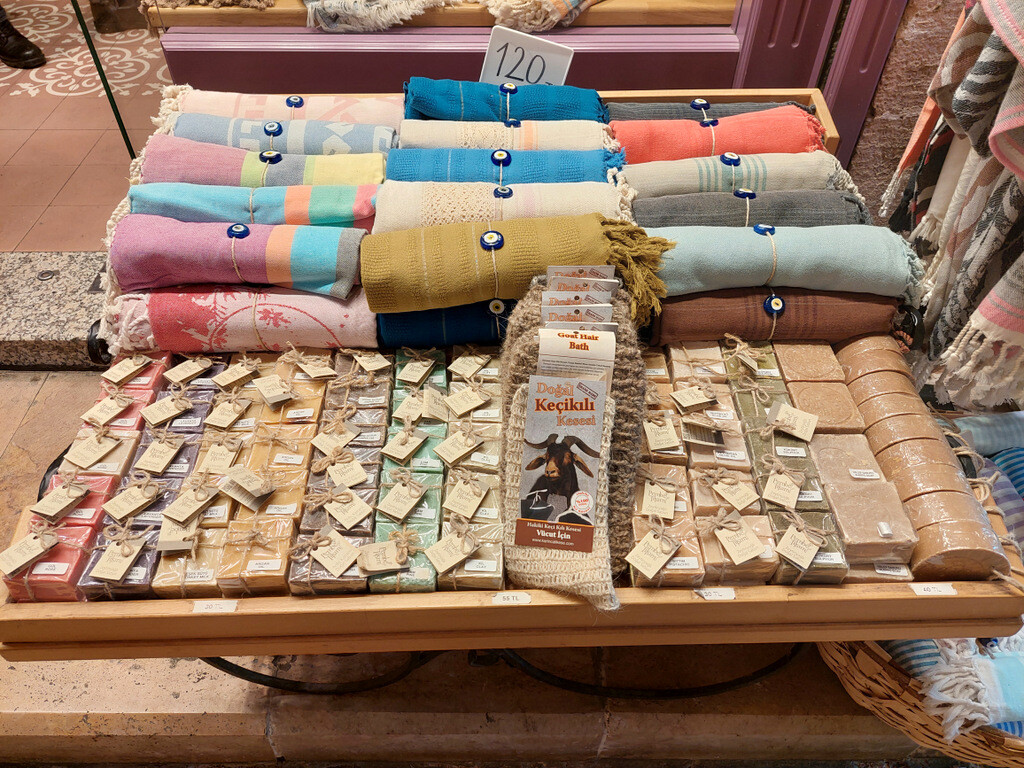
Traditional Turkish bath culture has influenced textile production for centuries. Lightweight cotton peştamals (bath towels), natural olive-oil soaps, and exfoliating mitts are commonly sold near bazaars and bathhouses.
Peştamals are easy to carry and dry quickly, making them practical travel souvenirs. Look for high-quality cotton and tight weaving.
This category connects more directly to daily life than decorative souvenirs.
10. Scarves & Shawls
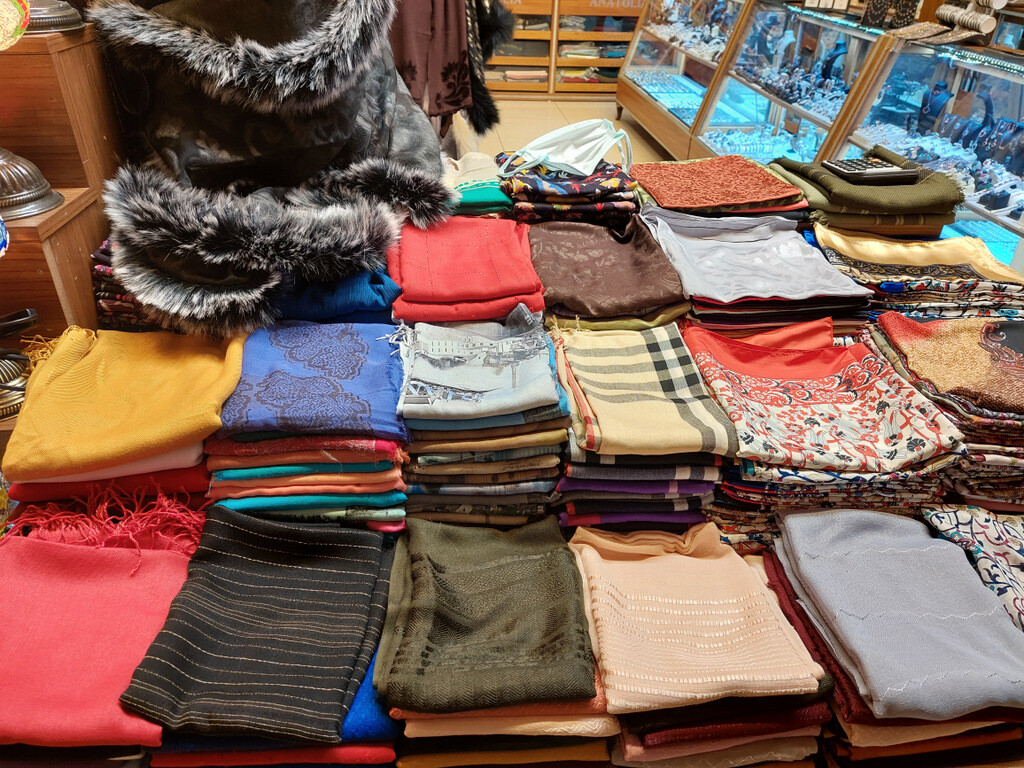
Scarves are widely available in the Grand Bazaar and surrounding streets. Materials range from silk and wool blends to synthetic fabrics.
Some products are locally made, while others are imported. Checking fabric labels and stitching details can help you understand what you’re buying.
For lighter luggage, scarves offer a compact option that reflects Istanbul’s textile trade history.
11. Kaftans & Ottoman-Inspired Textiles
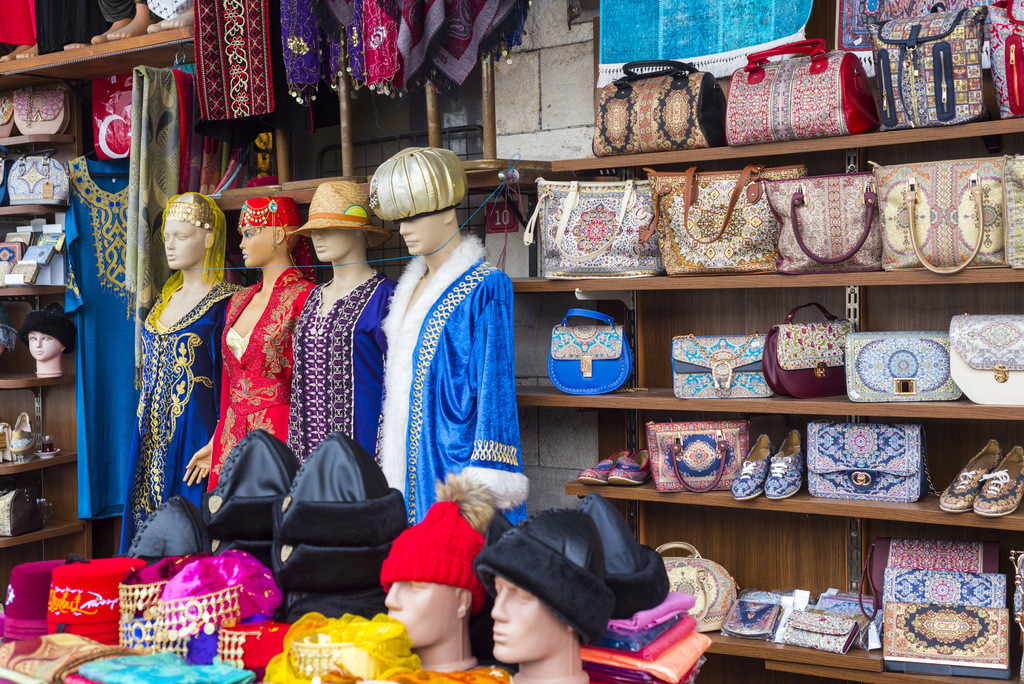
Ottoman sultans once wore richly embroidered kaftans, many of which are now displayed in Topkapi Palace. Today, you’ll find reproductions and modern interpretations in bazaars and specialty shops.
Some are decorative garments, while others are tailored pieces suitable for events. If you’re considering custom tailoring, allow time for fittings and adjustments.
These items work best as statement pieces rather than everyday wear.
12. Contemporary Turkish Designers
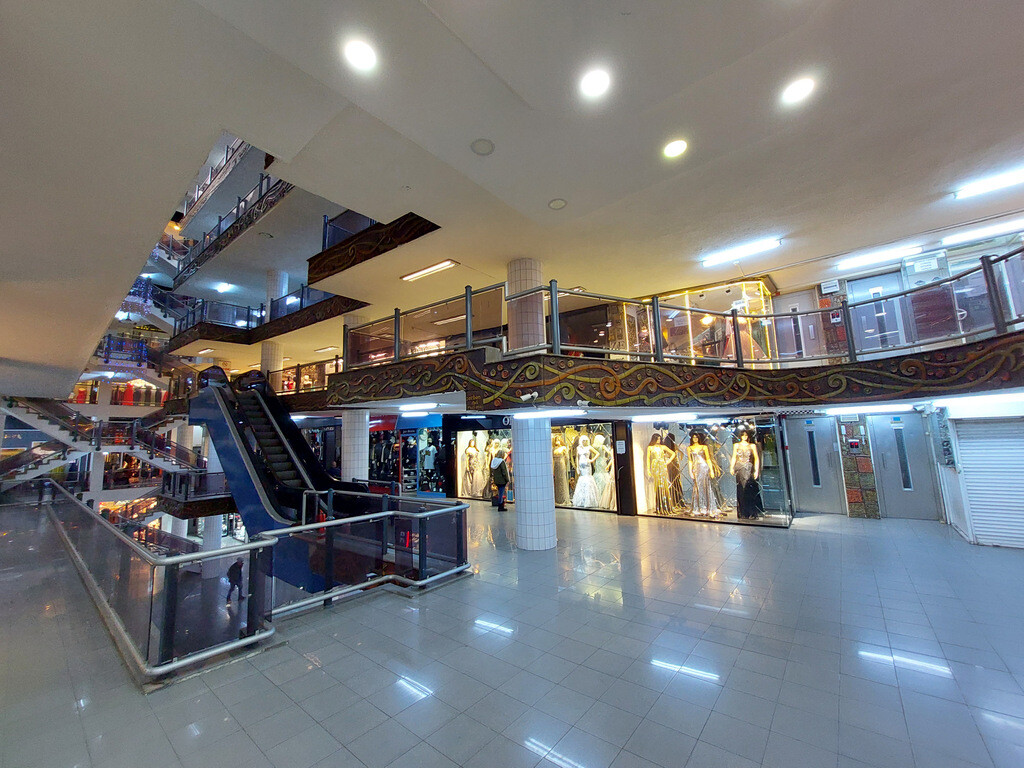
Beyond historical bazaars, Istanbul has a growing contemporary design scene. Neighborhoods such as Galata, Karaköy, Moda, and Nişantaşı feature small boutiques selling locally designed clothing, accessories, and homeware.
These shops reflect modern Istanbul rather than its Ottoman past. If you prefer something less touristic and more current, this category offers interesting alternatives.
13. Handbags (Original & Replica Market Reality)
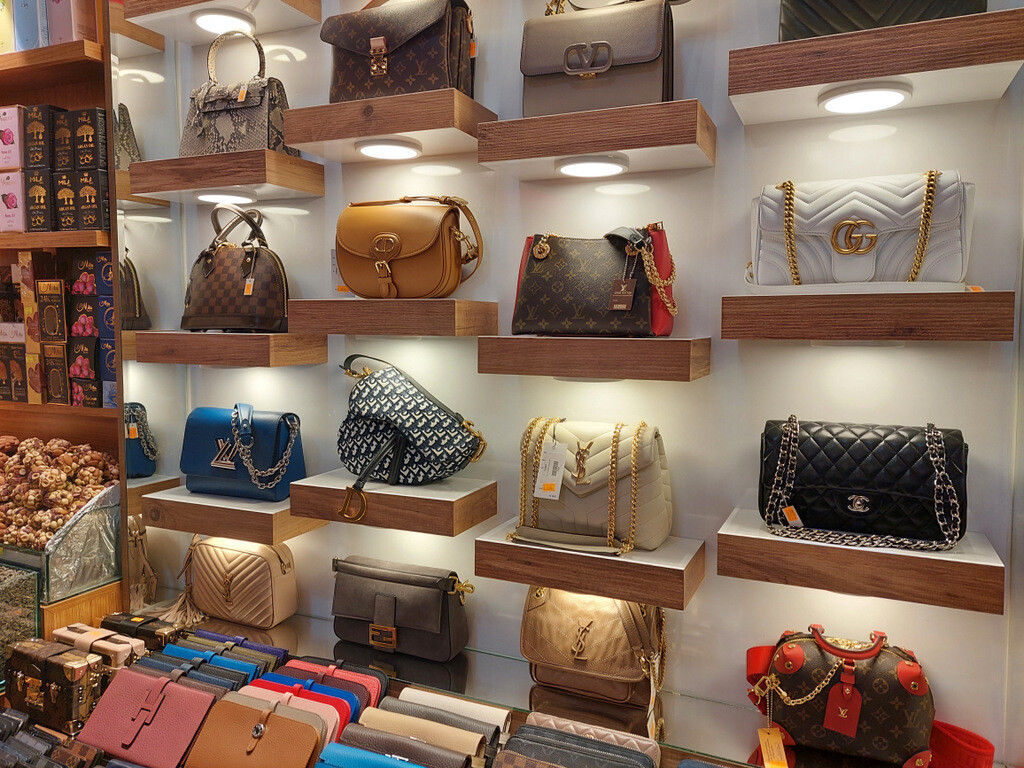
Handbags occupy a significant part of the Grand Bazaar’s retail space. Some shops sell locally produced designs, while others focus on replicas of international brands.
It’s important to understand what you are buying. These are unauthorized imitations, meaning the quality can vary widely and the final price often depends on negotiation.
If authenticity matters, consider purchasing from recognized local brands instead.
14. Watches (Understanding the Market)
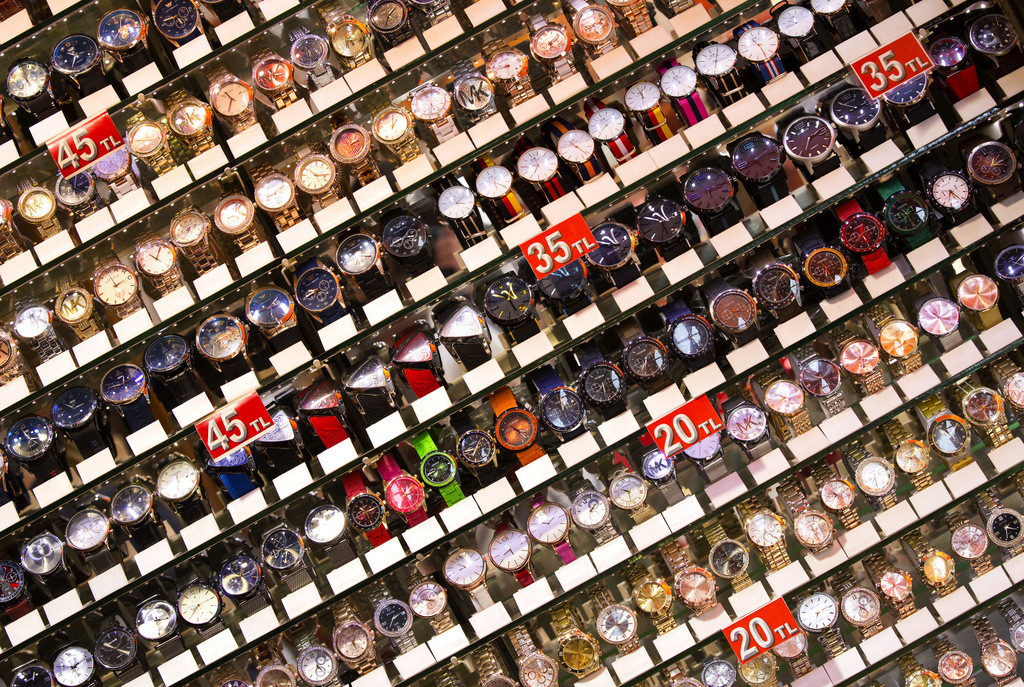
Similar to handbags, many watches sold in tourist areas imitate well-known international brands. These are generally not original products.
If you are looking for fine watches, it’s better to visit authorized dealers or established jewelry stores. In the bazaar environment, clarity about authenticity is essential.
Approach these purchases with realistic expectations.
15. Clothing & Textile Shopping Areas
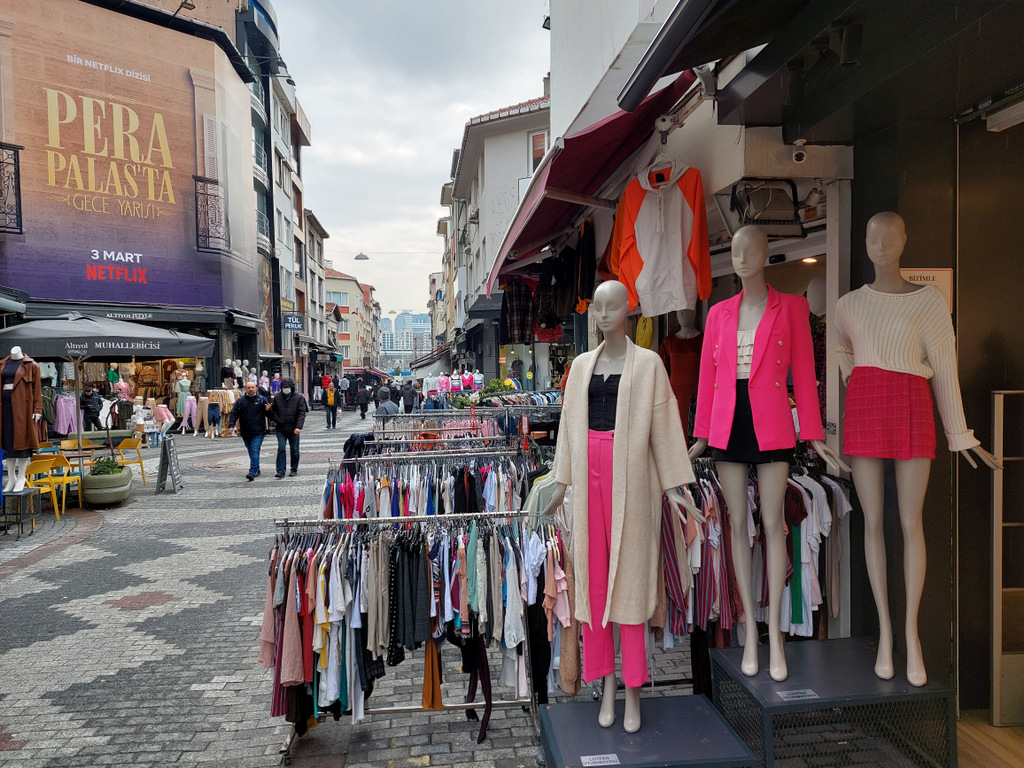
Clothing shopping in Istanbul extends far beyond the Grand Bazaar. Istiklal Street (near Taksim), Bağdat Street on the Asian side, and Nişantaşı offer modern retail experiences with fixed pricing.
For more local-style shopping, Mahmutpaşa (between the Grand Bazaar and Spice Bazaar) and neighborhood markets provide budget-oriented textile options.
Rather than focusing on “cheap,” think in terms of variety. Istanbul’s textile industry is large, and many international brands manufacture in Turkey. Quality and price levels vary depending on district and store type.
Conclusion
What you choose to buy in Istanbul ultimately depends on what you want to take home.
Some travelers prefer small, symbolic items—an evil eye bead, a box of lokum, a packet of sumac from the Spice Bazaar. Others invest time in selecting something more enduring: a handwoven kilim, a ceramic plate inspired by Iznik patterns, or a carefully chosen piece of jewelry.
Yet beyond price or practicality, the most meaningful purchases are usually the ones connected to understanding. A rug is not simply decoration if you have learned about knot techniques and regional motifs. A copper coffee pot becomes more than a kitchen tool once you have watched how coffee is prepared slowly and shared ceremonially. Even a simple peştamal carries weight when you understand the tradition of the Turkish bath.
Istanbul has always been a trading city. For centuries, goods arrived here from Anatolia, the Balkans, the Black Sea, and beyond—and left again for Europe and the Mediterranean. The markets you walk through today are part of that long commercial rhythm.
If you approach shopping not as a race for bargains but as a way to observe how the city produces and exchanges, the experience becomes richer. Compare carefully. Ask questions. Take your time.
The most valuable thing you bring back may not be the object itself, but the story you attach to it.
Written by Serhat Engul

Where is the best place to buy a leather jacket for a plus size women? How much will it cost (approximate).
There’s a section in the Grand Bazaar (near Gate Number 1 of the Nuruosmaniye Mosque) dedicated solely to leather goods. You’ll find a wide variety of options there.
However, I think you might also appreciate the designs of well-known local brands in Istanbul’s modern shopping malls. Brands like Derimod, Deriden, and Desa are good choices.
Can items from the Spice Bazaar in Turkey be purchased online?
Hello Donna,
I don’t have definitive information on this subject. However, in my personal opinion, the stores in Spice Bazaar focus on physical product sales. I don’t think they have detailed and professional websites where you can buy products online.
Hello. Two of us will be in Istanbul on a cruise stop April 19. Would you have a morning half day tour available?
Could you please advise the price and if you are able to pick us up from the pier for NCL’s Jade?
Thank you.
Hi Sally, thank you for your request. Your e-mail address is registered in the system, I will reply you from there.