In a city where East meets West, few experiences reflect Istanbul’s spirit as clearly as visiting the hammams in Istanbul. These historic bathhouses are not simply places to wash; they are part of the city’s living heritage. Behind their thick stone walls, marble chambers hold centuries of routine, steam softens the sense of time, and the ritual itself encourages visitors to slow down and reset.
As a licensed tour guide with more than twenty years of experience in Istanbul, I have visited a wide range of hammams — from grand 16th-century imperial bathhouses built for sultans to modest neighborhood hammams still used by locals today. Some offer a refined, spa-like atmosphere, while others preserve a more traditional, no-frills approach. Each one reflects a different layer of the city’s cultural fabric.
In this guide, you will find a carefully curated list of the 10 best hammams in Istanbul, along with practical notes on what to expect, how to choose the right hammam for your travel style, and how to enjoy this timeless tradition without confusion or unrealistic expectations.
10 Best Hammams in Istanbul 2026
Under this heading, you’ll find a curated selection of 10 Turkish baths chosen as the best hammams in Istanbul for 2026.
The list is organized by location to make planning easier: the first five hammams are in the Old City, close to Istanbul’s main historic landmarks; the next three are in Beyoğlu, within walking distance of Taksim Square; and the final two are on the Asian Side, in Kadıköy and Üsküdar.
Once you’ve identified the hammam that best fits your travel style, you can continue to the second part of this guide, which explains the Turkish bath experience step by step. This section covers what to expect inside a hammam, including basic equipment, the scrubbing ritual, and the traditional bubble wash—helping you decide with confidence and avoid common first-time mistakes.
1. Ayasofya Hürrem Sultan Hamamı
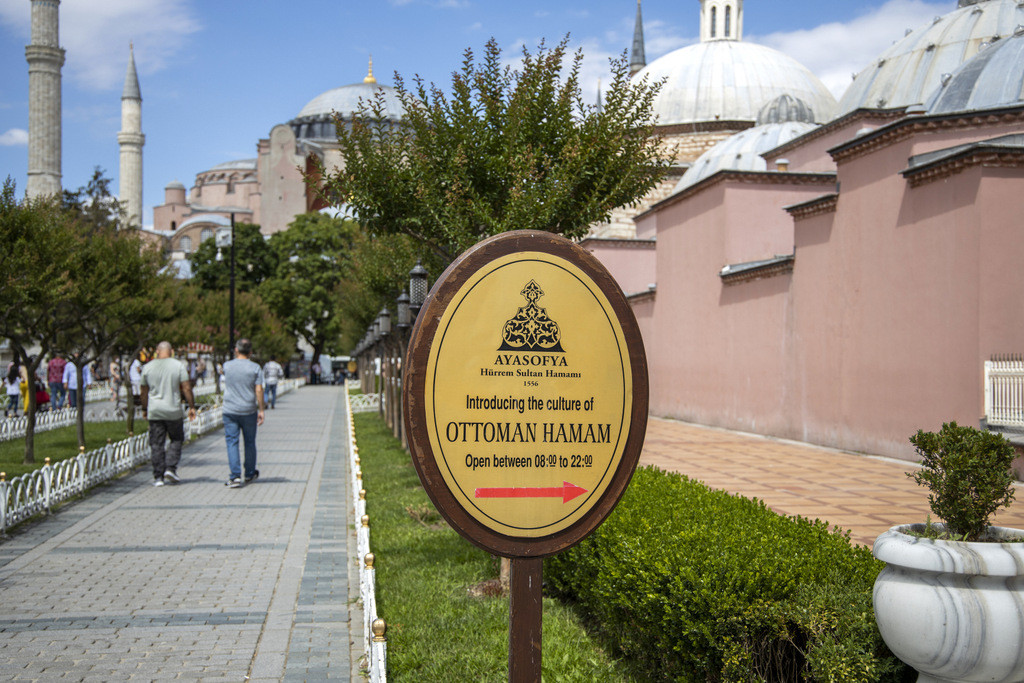
Set between Hagia Sophia and the Blue Mosque, Ayasofya Hürrem Sultan Hamamı occupies one of the most symbolic locations in Istanbul, right in the heart of Sultanahmet. Commissioned in the mid-16th century by Hürrem Sultan (Roxelana) for her husband Süleyman the Magnificent, and designed by the imperial architect Mimar Sinan, this historic bathhouse stands as one of the finest surviving examples of classical Ottoman hammam architecture.
Inside, the atmosphere is calm and deliberate. Polished marble surfaces, high domes filtering soft light, and gently rising steam create a rhythm that feels worlds apart from the crowded square outside. The hammam follows the traditional Ottoman sequence—warm rooms leading gradually to the hot chamber centered around the göbektaşı (heated marble platform). Men’s and women’s sections are housed in perfectly symmetrical, mirror-image spaces, preserving the original architectural intent. Recent restorations have carefully balanced historical authenticity with modern comfort, resulting in an experience that feels refined without losing its cultural depth.
For first-time visitors, Ayasofya Hürrem Sultan Hamamı works especially well as a flagship introduction to Turkish bath culture. Its central location makes it easy to combine with sightseeing in Sultanahmet, while its consistently high service standards reduce uncertainty for those unfamiliar with the ritual. Expect a structured, time-based experience rather than a casual drop-in visit, and plan 60 to 90 minutes to enjoy the full sequence at a relaxed pace. Booking ahead is strongly advised, particularly during peak travel seasons.
2. Cağaloğlu Hamamı
Located on Yerebatan Street, just a short walk from the Basilica Cistern, Cağaloğlu Hamamı is one of Istanbul’s most storied Turkish baths. Built in 1741, during the late Ottoman period, it is among the last monumental hammams constructed in the city. Over the centuries, it has hosted an impressive range of guests—from Kaiser Wilhelm II to Omar Sharif—a reflection of its long-standing reputation and enduring elegance.
Architecturally, the hamam follows the classical Ottoman tradition, with high domes, finely carved marble surfaces, and soft daylight filtering through small glass openings. Stepping inside feels like entering a quieter rhythm of the city, where steam, stone, and water define the atmosphere. Compared to more modern spa-style hammams, Cağaloğlu Hamamı preserves a stronger sense of historical continuity while still offering a comfortable, well-organized experience.
Its location adds to its appeal. Positioned near some of Sultanahmet’s well-known hotels and at the beginning of Nuruosmaniye Street—the ceremonial avenue leading directly to the Grand Bazaar—the hamam fits naturally into a sightseeing day. Many visitors choose to come here after exploring the Old City, using the bath as a way to unwind rather than rush on to the next attraction.
Frequently cited as one of the best Turkish baths in Sultanahmet, Cağaloğlu Hamamı has also gained international recognition, including a mention in 1000 Places to See Before You Die by Patricia Schultz. Whether you opt for a shorter, traditional ritual or one of the more comprehensive luxury services, the experience is structured, time-based, and best approached with a reservation—especially during busy travel seasons.
3. Çemberlitaş Hamamı
Located right next to Çemberlitaş Tram Station—and only a short walk from Sultanahmet—this historic bathhouse has been welcoming visitors for more than four centuries. Built in 1584 by Nurbanu Sultan, the Venetian-born wife of Sultan Selim II and the mother of Murad III, Çemberlitaş Hamamı stands as a striking reminder of the influence powerful women held in Ottoman society.
Designed by the imperial master architect Mimar Sinan, the hammam follows a classic symmetrical double-bath layout, with separate but mirrored sections for men and women. A large central dome, softly lit marble interiors, and the steady rhythm of running water create an atmosphere that feels both timeless and unpretentious. Its central location—steps from the Grand Bazaar and within easy reach of major Old City landmarks—makes it a practical stop during a busy sightseeing day.
Compared to many high-end hammams in the area, Çemberlitaş Hamamı remains relatively affordable while still offering an authentic experience. For travelers who want a traditional Turkish bath ritual without the premium pricing of luxury hammams, it strikes a solid balance between history, accessibility, and value.
4. Süleymaniye Hamamı
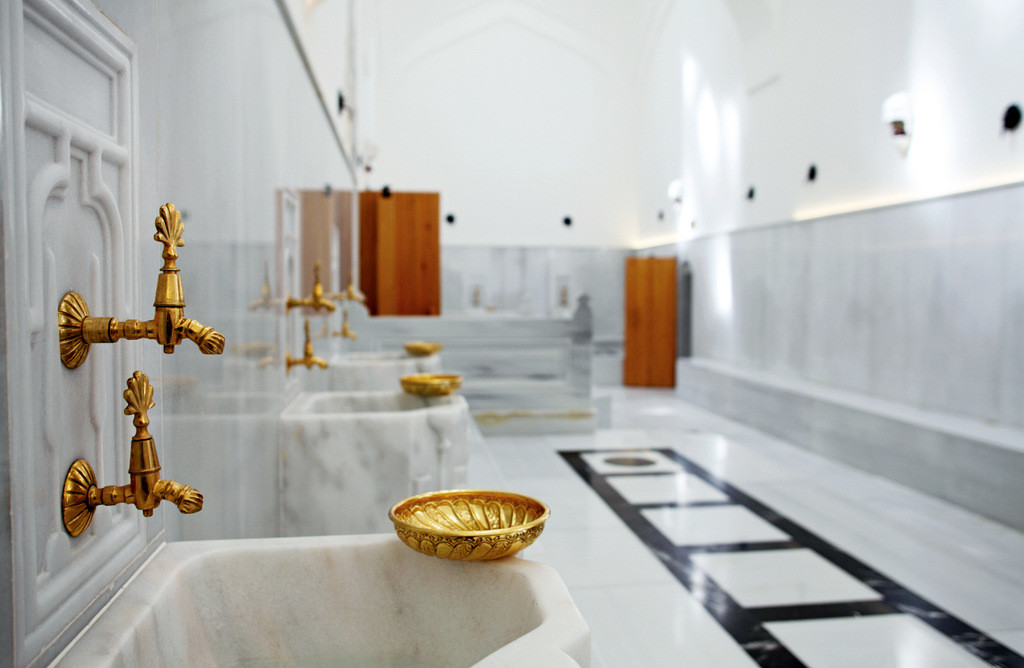
Süleymaniye Hamamı is located slightly farther from Sultanahmet than the first three hammams on this list, but it rewards visitors with one of the most atmospheric settings in Istanbul. Nestled within the monumental Süleymaniye Mosque complex, this 16th-century bathhouse combines architectural grandeur with a deeply authentic Ottoman bathing tradition.
Commissioned in the 1550s by Suleiman the Magnificent and designed by the legendary imperial architect Mimar Sinan, the hamam reflects the classical Ottoman ideal of balance and harmony. High domes, a symmetrical plan, and understated marble interiors create a calm, dignified atmosphere that feels worlds away from the crowds of central Sultanahmet.
What truly sets Süleymaniye Hamamı apart is its rare couples-only policy, allowing men and women to bathe together — an uncommon practice in Istanbul’s traditional hammam culture, where gender-segregated sections are the norm. This makes it one of the very few historic hammams in the city suitable for couples seeking a shared, traditional experience.
Rather than offering multiple packages, the hamam follows a single, fixed-price ritual, keeping the experience simple and focused on authenticity. Its location between Beyazıt, Laleli, and Aksaray also makes it a practical option for visitors staying in Old Istanbul. For those looking to pair a visit to one of the city’s most magnificent mosques with a centuries-old bathing ritual, Süleymaniye Hamamı stands out as a unique and memorable choice.
5. Gedikpaşa Hamamı
Gedikpaşa Hamamı is one of the oldest Turkish baths in Istanbul’s Old City, with a history dating back to 1475. This early foundation places it among the city’s most enduring hammams, still operating in the very heart of historic Istanbul.
One of the features that sets Gedikpaşa Hamamı apart is its small indoor pool, a rare detail not commonly found in other historic bathhouses across the city. Combined with its traditional layout, this gives the experience a slightly different rhythm compared to larger, more monumental hammams.
Located in the Beyazıt area, the hamam is just a short walk from the Grand Bazaar, making it an easy stop for visitors exploring the Old City on foot. The surrounding Beyazıt and Laleli neighborhoods are also known for their larger hotels, often favored by families and long-stay travelers.
For guests staying in this part of Istanbul, Gedikpaşa Hamamı offers a convenient and authentic hammam experience without the need to travel across the city — a practical choice that still preserves the atmosphere of a traditional Ottoman bath.
6. Kılıç Ali Paşa Hamamı
Kılıç Ali Paşa Hamamı is widely regarded as one of Istanbul’s most elegant Turkish baths, combining classical Ottoman architecture with a careful, contemporary restoration. Designed by Mimar Sinan in the late 16th century, the hammam forms part of the historic Kılıç Ali Paşa Mosque complex in Tophane.
Its location is one of its strongest advantages. Situated right next to the Tophane Tram (T1) station and within easy walking distance of Karaköy, the hammam is conveniently accessible from both the Old City and Beyoğlu. From Sultanahmet, the journey takes roughly ten minutes by tram.
Inside, the experience is calm and refined. Soft daylight filters through the domed ceilings, illuminating the marble interiors and creating a serene atmosphere that feels both historic and modern. Unlike larger, more crowded bathhouses, Kılıç Ali Paşa Hamamı offers a minimalist, well-organized ritual, appealing especially to visitors seeking comfort without losing authenticity.
After your hammam visit, the surrounding neighborhood offers plenty to explore. Karaköy’s cafés, galleries, and restaurants are just minutes away, while Galataport and Istanbul Modern make this hammam a particularly convenient stop for cruise passengers and art-focused travelers.
With its strong architectural pedigree, central location, and consistently high service standards, Kılıç Ali Paşa Hamamı stands out as one of the most balanced luxury hammam experiences in Istanbul.
7. Galatasaray Hamamı
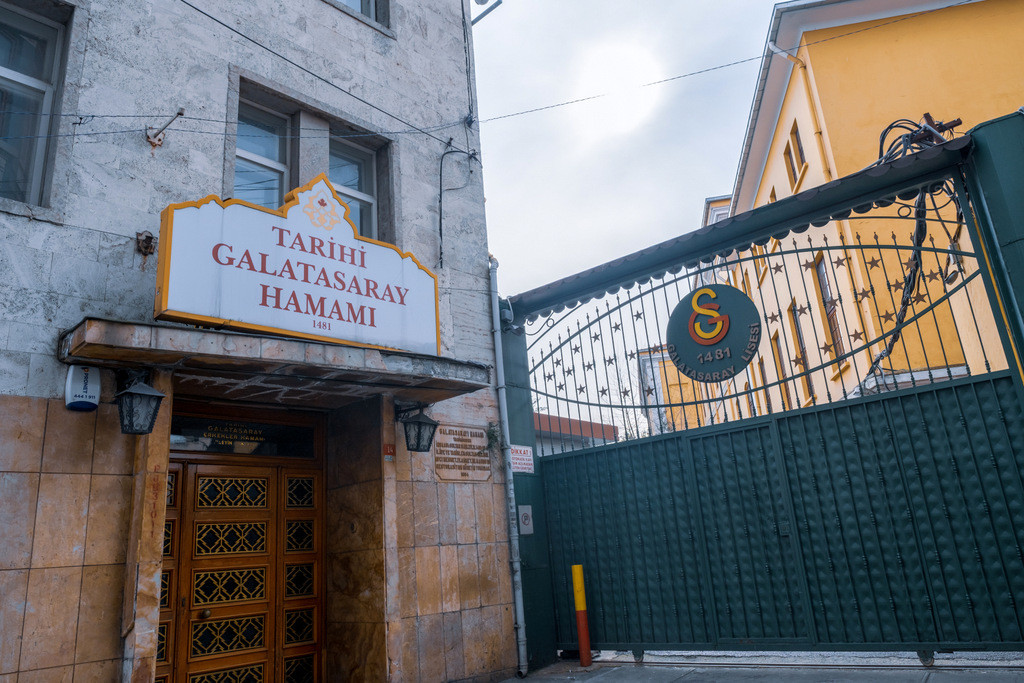
Galatasaray Hamamı is one of the oldest Turkish baths in Istanbul, with a history dating back to 1461. Located directly on İstiklal Avenue, the city’s most iconic pedestrian street, it remains a popular choice for both locals and visitors who want to experience a traditional hammam without leaving the lively center of Beyoğlu.
Its central location, just a short walk from Taksim Square, makes it easy to combine a hammam visit with shopping, dining, or evening plans along İstiklal Street. Stepping inside, however, feels like a clear shift in atmosphere: thick stone walls, classic marble interiors, and a time-worn Ottoman layout offer a strong contrast to the busy avenue outside.
Galatasaray Hamamı focuses on the core hammam experience rather than an extensive spa menu. Visitors can choose between the classic scrub and foam ritual or a more comprehensive service that adds an oil massage, making it a straightforward option for those who value location, history, and a traditional bathing routine.
For travelers staying in Beyoğlu or anyone spending time around İstiklal Street, Galatasaray Hamamı offers a convenient and authentic introduction to Istanbul’s hammam culture — without the need to travel far from the city’s main urban axis.
8. Ağa Hamamı
Ağa Hamamı, dating back to 1454, is widely regarded as the oldest surviving Turkish bath in Istanbul. Located in the atmospheric Cihangir neighborhood of Beyoğlu, it offers a calm and authentic hammam experience just a short walk from Taksim Square and many boutique hotels in the area.
Unlike larger, more monumental hammams, Ağa Hamamı stands out for its intimate scale and local character. It is especially popular with visitors who want to experience a traditional Ottoman bath without leaving the city center. Thanks to its friendly service and easy accessibility, it is often listed among the best Turkish baths near Taksim.
After your hammam ritual, you can enjoy a relaxed stroll through Cihangir’s streets, known for their cozy cafés, antique shops, and small art galleries. This makes Ağa Hamamı a great choice for travelers who want to combine a historic bath experience with the everyday rhythm of modern Istanbul.
9. Aziziye Hamamı
Located in the heart of Kadıköy on Istanbul’s Asian Side, Aziziye Hamamı dates back to the 19th century and offers a glimpse into the city’s everyday bathing culture. Unlike Istanbul’s grand imperial hammams, this is a true local neighborhood bath, valued more for its authenticity than architectural grandeur.
Aziziye Hamamı is especially appealing to budget-conscious travelers and visitors who want to experience a traditional hammam away from heavily touristic areas. The atmosphere is simple, nostalgic, and unmistakably local — closer to how Istanbul residents have used hammams for generations.
Its location in Kadıköy makes it easy to combine a visit with exploring the district’s lively streets, food markets, seaside promenades, and café culture. While nearby hotels and wellness centers offer modern spa experiences, Aziziye Hamamı stands out as one of the most affordable Turkish bath options in Istanbul, ideal for travelers who prioritize tradition and value over luxury.
10. Çinili Hamam
Tarihi Çinili Hamam is located in the heart of Üsküdar on Istanbul’s Asian Side and dates back to the 17th century. Often regarded as one of the finest traditional hammams on this side of the city, it offers visitors an authentic bathing experience far from the busy tourist hubs of Sultanahmet and Taksim.
The name Çinili (“tiled”) refers to the rich Ottoman tile tradition associated with İznik workshops. During the 16th and 17th centuries, İznik artisans produced distinctive blue tiles so iconic that even the Blue Mosque later took its nickname from them. Although the hamam’s original tiles have not survived intact, careful restorations have recreated a calm, blue-toned interior that respectfully echoes this heritage.
Thanks to its location in a residential neighborhood and its distance from Istanbul’s main tourist corridors, Çinili Hamam is noticeably more affordable than hammams in the Historic Peninsula or Beyoğlu. For travelers seeking a genuine local hammam experience combined with excellent value, it remains one of the best-kept secrets on the Asian Side.
Turkish Bath Experience in Istanbul
In most traditional hammams in Istanbul, visitors can choose between two options: self-service bathing or the full traditional hammam ritual, guided by an attendant.
If your goal is to understand what makes a Turkish bath culturally unique — rather than simply washing — the traditional ritual is the experience worth choosing.
1. Turkish Bath Equipment
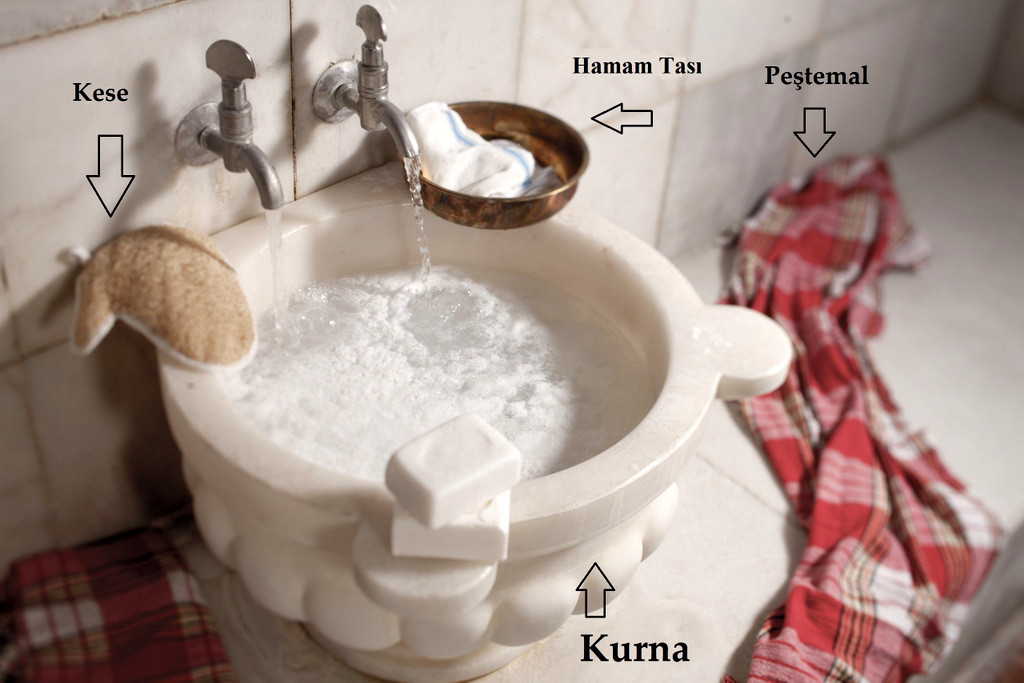
Before stepping into the ritual itself, it helps to recognize a few essential elements you will encounter in every historic hammam:
- Peştemal – a thin cotton wrap worn around the waist, designed for modesty and comfort in the heat.
- Hamam Tası – a metal or copper bowl used to pour warm or cool water over the body.
- Kurna – a marble basin where hot and cold water are mixed manually.
- Kese – a coarse exfoliating mitt used by the attendant to remove dead skin.
These items have remained largely unchanged for centuries and are part of what gives the hammam its distinctive rhythm and atmosphere.
2. Traditional Hammam Ritual
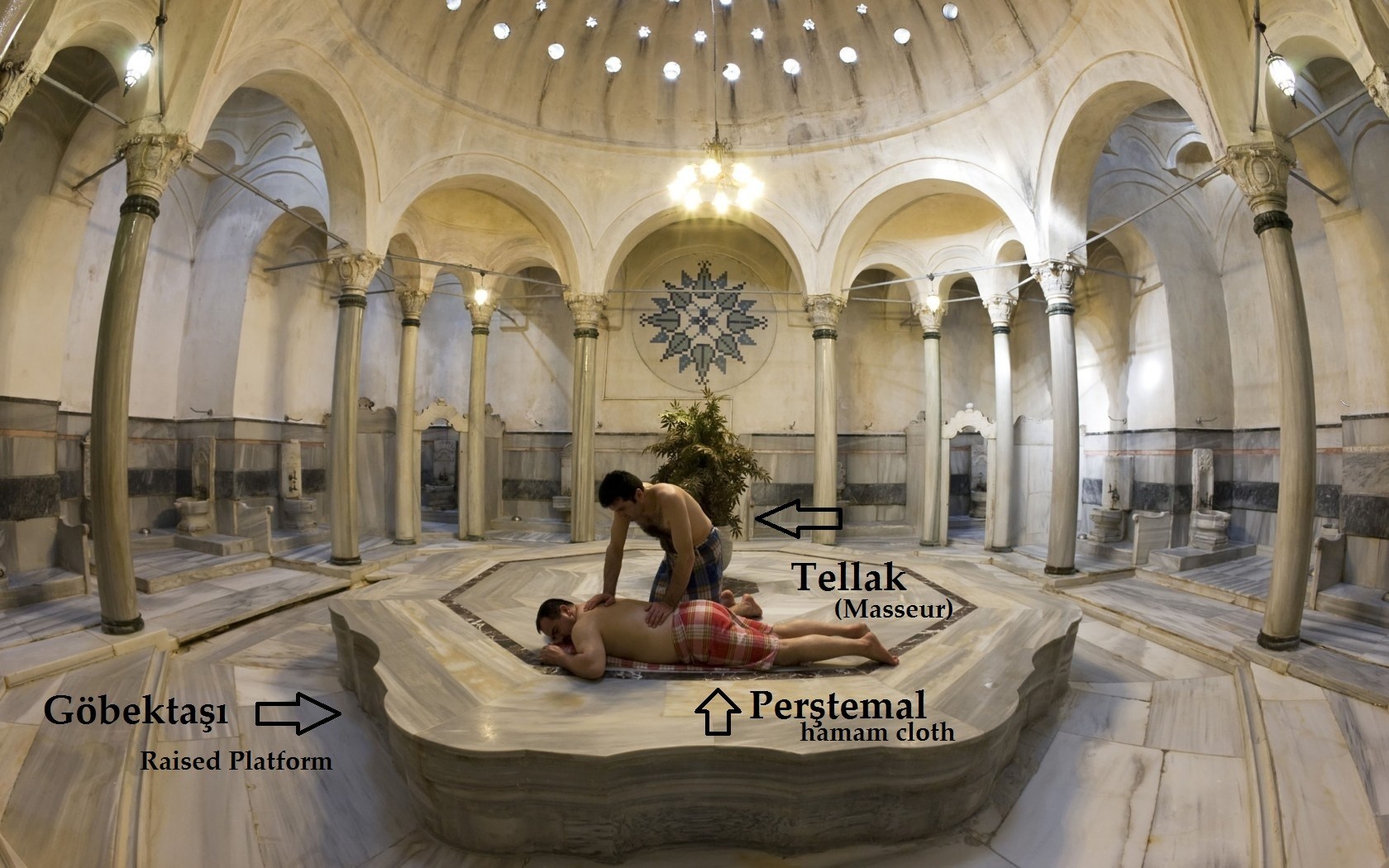
A traditional hammam visit begins in the changing room, where you leave your belongings in a locker and wrap yourself in a peştemal. From there, you enter the warm room, allowing your body to gradually adjust to the heat and your muscles to relax.
Once ready, a tellak (male attendant) or natır (female attendant) performs the kese scrub, removing dead skin and stimulating circulation. This is followed by a bubble wash, carried out while you lie on the heated marble platform known as the göbektaşı, positioned at the center of the hammam.
After the ritual, you move to the cool room, where your body temperature slowly returns to normal. This is typically a quiet resting phase, often accompanied by a glass of sherbet or Turkish tea.
In some of Istanbul’s most refined hammams — such as Ayasofya Hürrem Sultan Hammam — this final stage may include additional comforts, such as light refreshments or optional massages, designed purely for relaxation rather than ceremony.
Conclusion
Experiencing a traditional Turkish hammam in Istanbul is not simply about bathing — it is about slowing down in a city that rarely does. These historic bathhouses were designed not only to cleanse the body, but to restore balance after a long day of movement, noise, and discovery.
Most hammams accept advance reservations, making it easy to plan your visit as a deliberate end-of-day ritual rather than a rushed stop. After hours of walking through Istanbul’s streets and monuments, the hammam offers something the city itself cannot: stillness, warmth, and unhurried time.
Before leaving, take a few quiet minutes in the soğukluk (cool room). Especially in spring and winter, when Istanbul’s evenings can turn unexpectedly windy, this pause allows your body to adjust — and completes the experience properly.
For a truly authentic encounter, traditional hammams located in historic districts such as Sultanahmet or Taksim remain the best choice. Unlike modern hotel spas, these centuries-old bathhouses connect you directly to rituals that have shaped daily life in Istanbul for generations.
In a city layered with history, the hammam is not something to “see.”
It is something to experience — slowly, consciously, and without distraction.
Best Hammams in Istanbul for 2026 by Serhat Engul

Hi. Me and my 15 yr old son are visiting for 2 days. Today is day 1.
We would like a half day tour please. Today or tomorrow.
Would like to visit Hagia Sophia, Basilica Cistern but don’t want to spend a lot of time in each place. We r staying at Karakoy.
Email or WhatsApp works for me.
Hello Neema, thank you for your interest in my tours. I guess I am late in getting back to you. But I was not available yesterday (January 14) or today. I wish you a good holiday.