Istanbul’s Byzantine churches are not just religious buildings — they are the surviving fragments of a city that once defined the spiritual and political center of the Eastern Roman world.
Some of these monuments have disappeared entirely, such as the Church of the Holy Apostles. Others survive only as ruins. But many still stand today, either as mosques, museums, or active places of worship, continuing to shape the city’s landscape more than a thousand years after they were built.
To understand these churches, it is important to begin with their origins.
The earliest Christian churches of Constantinople were inspired by the Roman basilica — a rectangular structure originally used for public gatherings rather than religious ceremonies. Following the Edict of Milan in 313, when Christianity was legalized by Emperor Constantine, these basilicas were gradually transformed into spaces of worship.
Over time, this architectural tradition evolved.
From the vast domed spaces of the 6th century to the more refined and intimate structures of the Middle and Late Byzantine periods, each church reflects a different phase in the development of the city. Together, they form a layered narrative of how Constantinople adapted, expanded, and redefined itself across centuries.
This guide brings together 15 of the most important Byzantine churches in Istanbul — some monumental, some hidden, but each offering a distinct perspective on the city’s past.
Byzantine Churches in Istanbul (2026)
Many Byzantine churches of Constantinople still survive in present-day Istanbul, although their condition and function vary significantly.
Some, such as the Stoudios Monastery and the Church of St. Polyeuktos, have been reduced to partial remains and are not accessible as complete structures. Others, like the Church of the Holy Apostles, have been entirely lost.
At the same time, a large number of churches continue to exist within the urban fabric of the city.
Some function as mosques, preserving their architectural form while serving a new role. Others operate as museums or mixed-use spaces, where Byzantine mosaics and frescoes can still be observed. A few, such as the Church of St Mary of the Mongols, have remained in continuous use as churches.
The following sections present these monuments individually, offering a clear and structured overview of their history, architecture, and present-day condition.
1. Church of the Holy Apostles
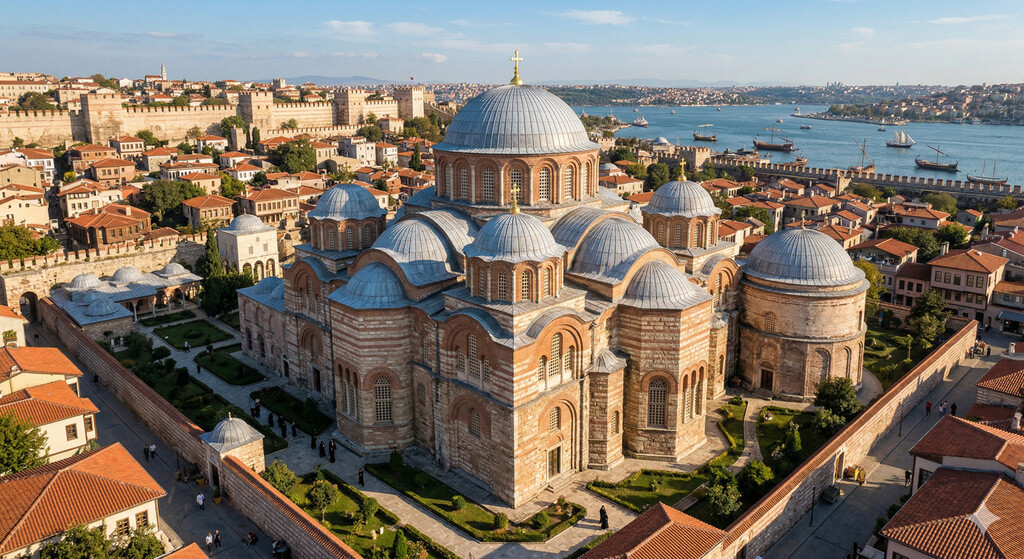
When Constantine chose Byzantium as the new capital of the Roman Empire, he was not simply building a city — he was shaping a new identity. Alongside monuments like the Hippodrome and the Great Palace, the Church of the Holy Apostles became one of the key symbols of Constantinople’s Christian character.
Originally built in the 4th century and later rebuilt by Emperor Justinian after the Nika Revolt of 532, the church was described as one of the most magnificent structures of its time. Contemporary sources mention a vast domed basilica, its roof covered with bronze plates that shimmered like gold, and an interior lined with richly colored marble rising toward the ceiling.
More importantly, this was not just a church.
It was the imperial mausoleum of Byzantium.
For centuries, emperors such as Constantine and Justinian were buried here, making it one of the most sacred and politically significant sites in the city. While Hagia Sophia represented the spiritual heart of Constantinople, the Church of the Holy Apostles embodied the continuity and prestige of the imperial dynasty.
Architecturally, the church also left a lasting legacy. Its cross-shaped plan crowned with multiple domes later inspired major buildings in the Mediterranean world, most notably St. Mark’s Basilica in Venice.
However, the fate of the church reflects the turbulent history of the city itself.
During the Fourth Crusade in 1204, the church was heavily looted and damaged. Imperial tombs were opened, and their contents were plundered — an event frequently mentioned in both historical sources and modern discussions about the period.
By the time the Ottomans conquered Constantinople in 1453, the structure was already in a state of decline. Although it was briefly assigned to the Orthodox Patriarchate, its deteriorated condition led to its abandonment. In 1461, the church was demolished, and the Fatih Mosque was built directly on its foundations.
Today, nothing of the original structure survives.
Yet the location itself remains deeply significant. Standing on one of the highest hills of the Historic Peninsula, the site continues to dominate the surrounding landscape — just as it did in Byzantine times.
2. Hagia Eirene
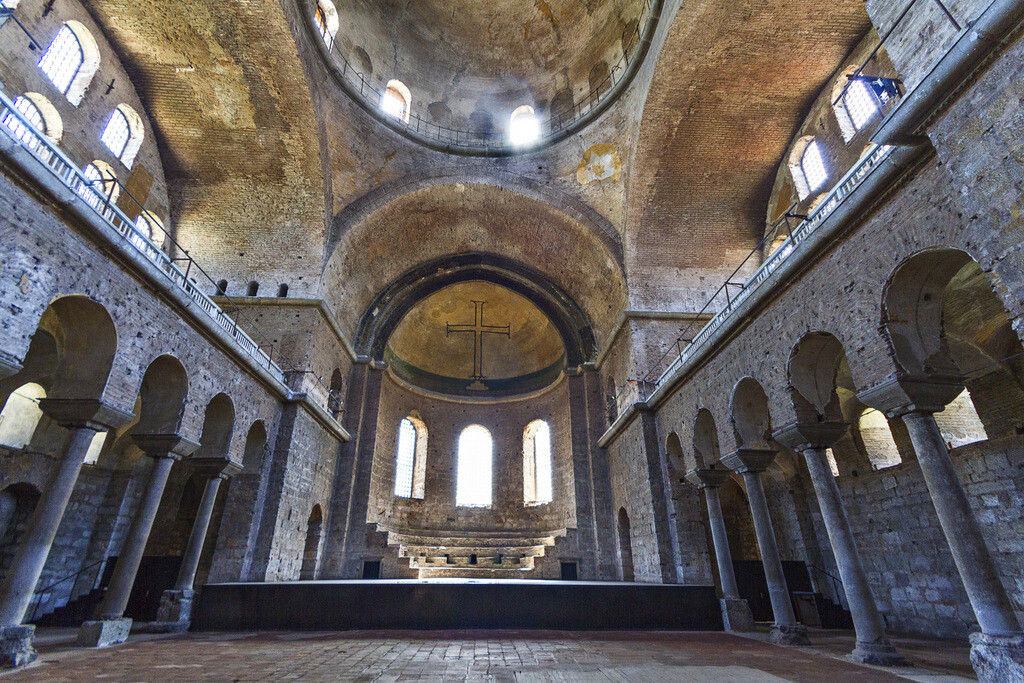
Hagia Eirene is one of the oldest surviving churches in Constantinople and holds a unique place among the city’s Byzantine monuments. Long before Hagia Sophia was built, it served as the main church of the city and hosted important events such as the Second Ecumenical Council in 381.
The building we see today largely dates back to the 8th century. Like many structures in the city, it was damaged during the Nika Revolt and later rebuilt by Emperor Justinian. However, the most defining reconstruction came after an earthquake in 740, during the period of Byzantine Iconoclasm — a time when religious images were officially banned.
This historical moment shaped the character of Hagia Eirene in a very visible way.
Unlike other churches in Istanbul, its interior contains no figural mosaics. Instead, a single large cross dominates the apse — a rare and powerful example of iconoclastic art that has survived almost untouched.
Another feature that sets Hagia Eirene apart is its continuity.
After the Ottoman conquest in 1453, the church was not converted into a mosque. Because it stood within the outer courtyard of Topkapı Palace, it was repurposed as an imperial arsenal rather than a place of worship. This unusual history allowed the building to preserve its original architectural form with very little alteration.
Today, Hagia Eirene stands quietly in the first courtyard of Topkapı Palace. Compared to the crowds of nearby Hagia Sophia, it offers a much more subdued and contemplative atmosphere. Its vast, empty interior and remarkable acoustics have also made it a preferred venue for classical music concerts in recent years.
3. Stoudios Monastery
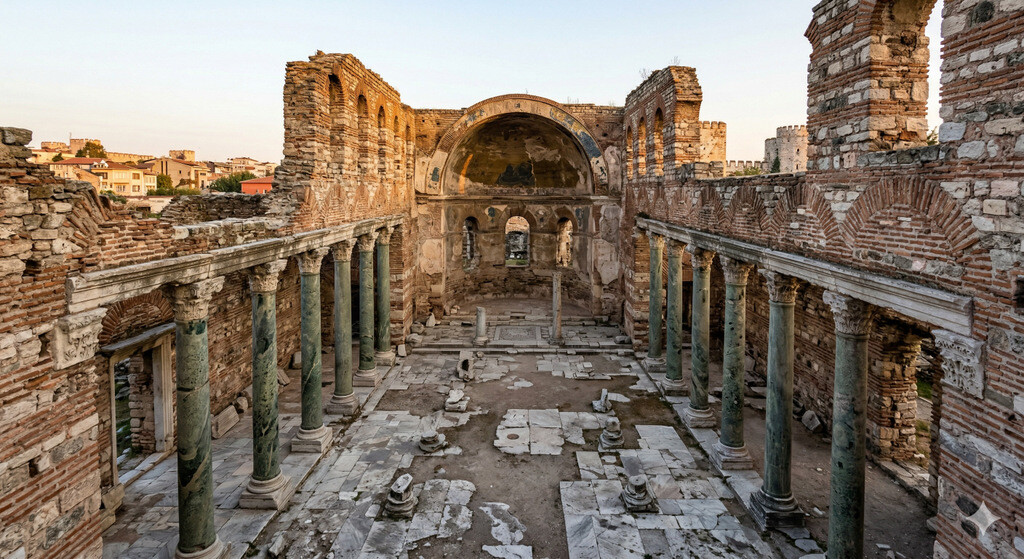
Stoudios Monastery is the oldest surviving church structure in Istanbul, dating back to the 5th century. Built in 462 near the Golden Gate — the ceremonial entrance of Constantinople — it represents one of the earliest examples of a basilica-type church in the city.
Dedicated to John the Baptist, the monastery soon became far more than a religious complex. It evolved into the most influential monastic center in Constantinople. The monks of Stoudios played a decisive role in shaping Orthodox religious life, and their authority often extended beyond theology into imperial politics.
During the Iconoclast period, the monastery became one of the strongest centers of opposition to the ban on religious images. Its leaders defended the use of icons at a time when this position carried significant risk, reinforcing the monastery’s reputation as a place of intellectual and spiritual resistance.
Stoudios was also known for a remarkable tradition.
The monks belonging to the Akoimetoi (the “Sleepless Ones”) maintained continuous prayer by rotating in shifts, ensuring that worship never stopped — day or night. This practice gave the monastery a unique rhythm that distinguished it from other religious institutions in the city.
Following the Ottoman conquest, the complex was converted into a mosque in 1486 and became known as Imrahor Mosque. Over time, earthquakes and fires caused severe damage. The roof collapsed in the early 20th century, leaving the structure largely abandoned.
Today, only parts of its walls and architectural elements remain standing. Although the site has long been closed to visitors, its historical significance continues to attract attention. As of 2026, the Istanbul Governor’s Office announced plans for a comprehensive restoration, with the long-term goal of reopening the monument to the public.
Even in its current state, Stoudios Monastery remains one of the most historically significant — and often overlooked — Byzantine sites in Istanbul.
4. Church of St. Polyeuktos
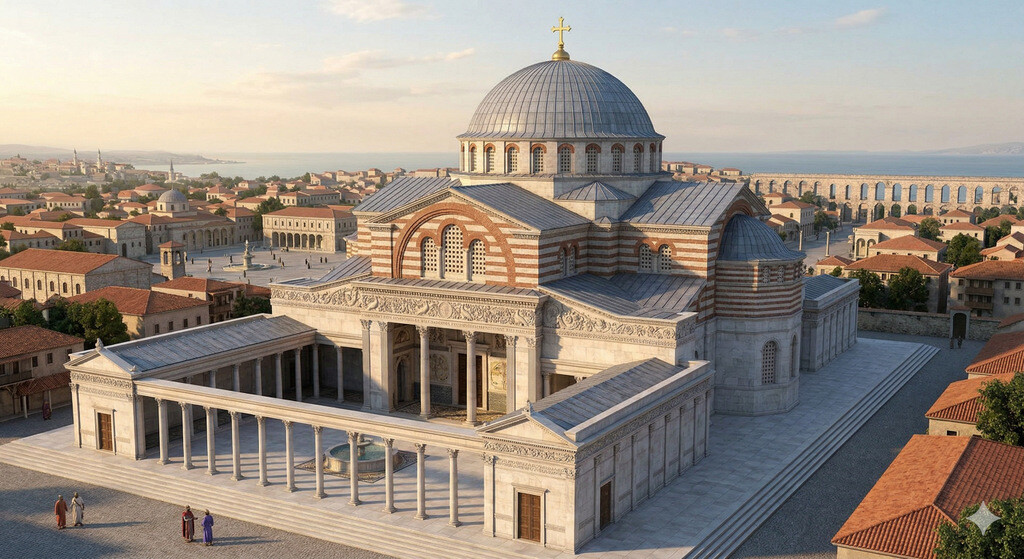
Church of St. Polyeuktos was once one of the most ambitious churches ever built in Constantinople, although today only fragments of its structure remain.
The ruins, discovered during excavations in the 1960s near the Valens Aqueduct, belong to a church commissioned in the early 6th century by Anicia Juliana — a member of one of the most prestigious Roman aristocratic families.
This was not an ordinary act of patronage.
Juliana’s background placed her within the imperial lineage, and the construction of this church is often interpreted as a statement of status at a time of political transition. When the throne passed to Justin I and later to Justinian — figures of more modest origin — Juliana responded not through politics, but through architecture.
The result was a church that, for a brief moment, stood among the most monumental structures in the city.
Historical sources suggest that the building was richly decorated with carved marble, intricate reliefs, and architectural elements inspired by earlier imperial traditions. Some scholars believe that its scale and ornamentation influenced later Byzantine architecture, including the great constructions of Justinian’s reign.
The church did not survive intact.
During the Fourth Crusade in 1204, it was heavily damaged and stripped of many of its decorative elements. Several of its sculptural fragments are believed to have been transported to Western Europe, contributing to the dispersal of Byzantine art beyond the city.
Today, the site in Saraçhane has taken on a new life.
Recent excavation and restoration efforts have transformed the area into an open-air archaeological space, making the remains more accessible and easier to understand within their urban context. Although only partial ruins are visible, they offer a glimpse into a period when architectural patronage was closely tied to imperial ambition.
5. Church of Sergius and Bacchus
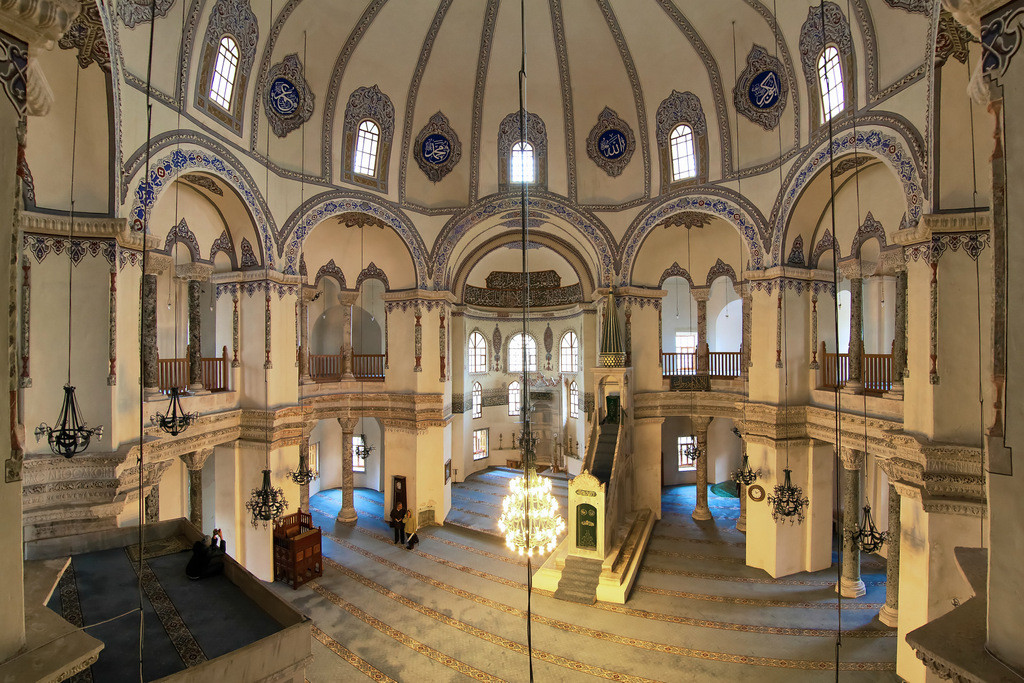
Little Hagia Sophia Mosque, originally known as the Church of Saints Sergius and Bacchus, is one of the earliest imperial churches built during the reign of Emperor Justinian in the 6th century.
Constructed shortly after Justinian came to power, the church reflects a moment of transition in Byzantine architecture. While earlier monumental churches followed the traditional basilica plan, this building introduced a more experimental design — a centralized space formed by an octagonal core beneath a dome.
This architectural approach marked an important shift. Some historians interpret this shift as part of a broader architectural response to earlier ambitious projects in the city, such as the Church of St. Polyeuktos, where elite patronage had already pushed the boundaries of scale and decoration.
Rather than repeating established forms, Justinian’s architects explored new spatial concepts that would later culminate in the construction of Hagia Sophia. In this sense, the Church of Sergius and Bacchus can be understood as part of the developmental phase that preceded one of the most iconic buildings of the Byzantine world.
The interior preserves several original features from this early period. Marble columns, finely carved capitals, and inscriptions in Greek still reflect the artistic language of the Justinianic era. These elements offer a more intimate perspective on Byzantine design, allowing visitors to observe details that are often difficult to appreciate in larger monuments.
After the Ottoman conquest, the church was converted into a mosque and became known as the Little Hagia Sophia. This transformation ensured the survival of the structure while integrating it into the religious life of the city.
Today, the building stands slightly removed from the main tourist flow of Sultanahmet. Its quieter setting and manageable scale make it one of the most accessible places to understand early Byzantine architecture within its original urban context.
6. Hagia Sophia
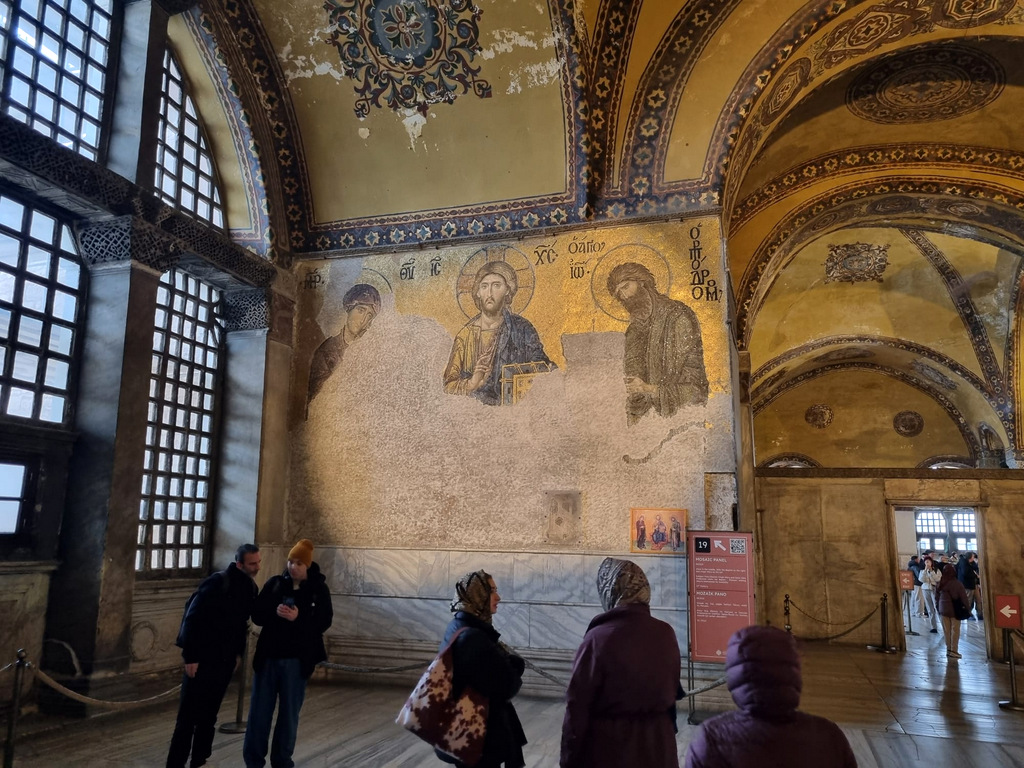
Hagia Sophia stands as the most influential monument of Byzantine Constantinople and one of the defining buildings in the history of architecture.
The structure seen today is the third church built on this site. The first two, constructed during the 4th and 5th centuries, were both destroyed during periods of political unrest, most notably the Nika Revolt of 532. In the aftermath of this uprising, Emperor Justinian commissioned an entirely new building — one that would surpass anything previously constructed in the ancient world.
Completed in 537 by Anthemius of Tralles and Isidore of Miletus, Hagia Sophia introduced a revolutionary architectural concept. Its massive dome, seemingly suspended above a vast interior, redefined the relationship between space, light, and structure. For nearly nine centuries, it remained the largest church in the world and served as the ceremonial and spiritual center of the Byzantine Empire.
This was more than a place of worship.
It was the architectural expression of imperial power.
Following the Ottoman conquest in 1453, the building was converted into a mosque, a transformation that ensured its preservation while adding new layers to its identity. In the 20th century, it functioned as a museum, before being reconverted into a mosque in 2020.
Today, the visitor experience has changed significantly.
Access for foreign visitors is now organized through the upper galleries, while the ground level is reserved for worship. This arrangement allows visitors to observe the structure from an elevated perspective, where many of the surviving Byzantine mosaics — including imperial portraits and religious compositions — are still visible.
Despite these changes, Hagia Sophia remains a place where multiple historical layers coexist. Its architecture, decoration, and ongoing function continue to reflect the complex continuity of the city itself.
7. Constantine Lips Monastery
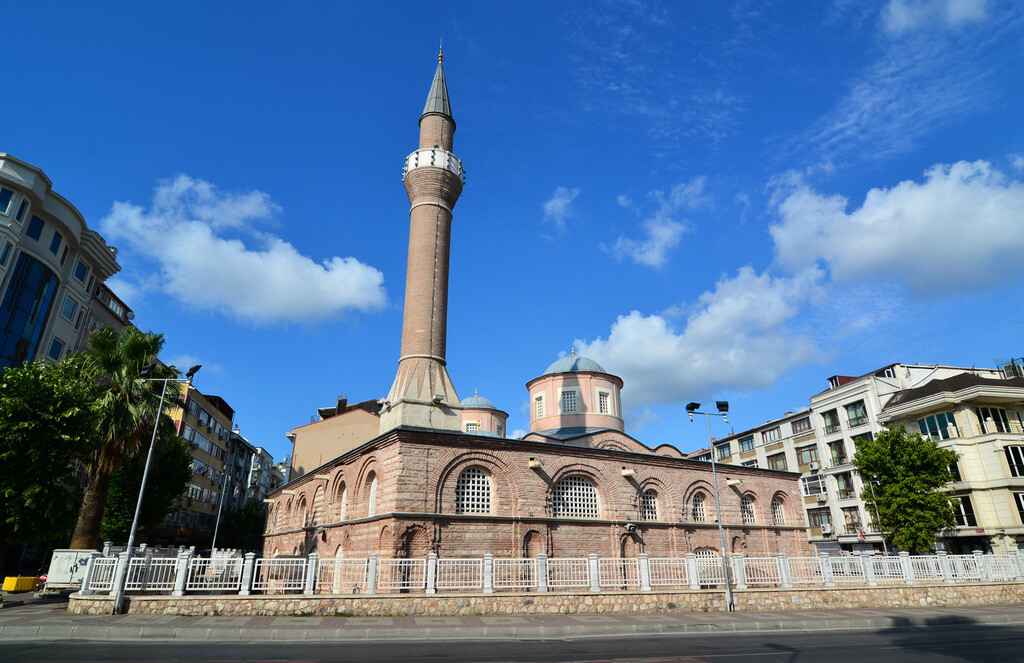
Fenari Isa Mosque, originally known as the Constantine Lips Monastery, represents a different phase in Byzantine architecture — one that moves away from monumental imperial churches toward more intimate and structured religious spaces.
The original church was built in 907 by Constantine Lips, a high-ranking admiral during the reign of Emperor Leo VI. Unlike earlier basilicas, this building followed a cross-in-square plan, a layout that became characteristic of Middle Byzantine architecture. Its relatively compact form, multiple domes, and enclosed spatial organization reflect a shift in both architectural taste and religious practice.
This was no longer architecture designed for large imperial gatherings.
It was a space shaped for smaller, more controlled communities.
Inside, the atmosphere differed significantly from earlier churches such as Hagia Sophia. Instead of expansive, light-filled interiors, the structure emphasized a more enclosed and subdued environment. The use of brick piers rather than large marble columns created broader wall surfaces, which were once intended for decorative programs such as frescoes or mosaics.
The complex evolved further in the 13th century.
During the Palaiologan period, a second church was added to the south by Empress Theodora, turning the site into a dynastic burial place. This addition created a layered structure where two different phases of Byzantine architecture coexist within a single complex.
After the Ottoman conquest, the building was converted into a mosque and became known as the Fenari Isa Mosque. Today, it remains an active place of worship, preserving both its architectural integrity and its historical significance.
8. Monastery of Myrelaion
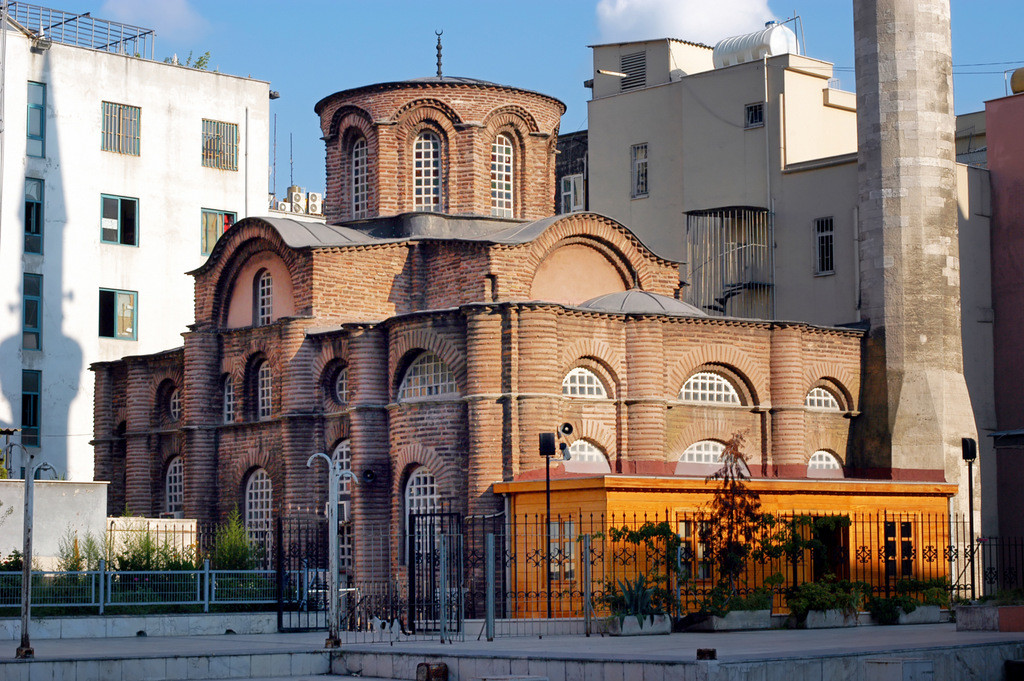
Bodrum Mosque, originally known as the Monastery of Myrelaion, was built in the early 10th century by Emperor Romanos I Lekapenos as part of a private palace complex and family burial site.
Unlike the monumental churches of earlier centuries, Myrelaion reflects a more personal form of imperial patronage. Romanos, who rose from a military background to become emperor, commissioned this complex as a statement of legitimacy — establishing a new dynastic center within the city.
His rise to power was closely tied to the imperial court. The position of the Lekapenos family was firmly secured when his daughter Helena married Emperor Constantine VII, linking the dynasty directly to the ruling Macedonian line. This background explains why the complex was conceived not only as a residence, but also as a carefully planned dynastic burial site.
The architecture follows the cross-in-square plan that became typical of the Middle Byzantine period. Compared to earlier structures, the building is more compact, yet carefully proportioned. A single dome rises above the central space, creating a balanced and clearly defined interior, while the use of brick construction gives the structure a distinct visual character.
One of the most unusual aspects of the site lies beneath the church.
The building was constructed on top of a large circular structure dating back to Late Antiquity. This earlier rotunda was transformed into a cistern by filling its interior with approximately eighty columns, creating a massive substructure that supported the church above. This layered design gives Myrelaion a unique architectural identity within the city.
For a period, members of the Lekapenos family were buried here, reinforcing the site’s role as a dynastic monument. However, like many political stories in Byzantium, the rise of the family was followed by a rapid decline.
After the Ottoman conquest, the church was converted into a mosque and became known as the Bodrum Mosque — a name that refers to the large substructure beneath it. Today, it remains an active place of worship, standing quietly within one of the busiest commercial districts of the Historic Peninsula.
9. Monastery of Christ Pantepoptes
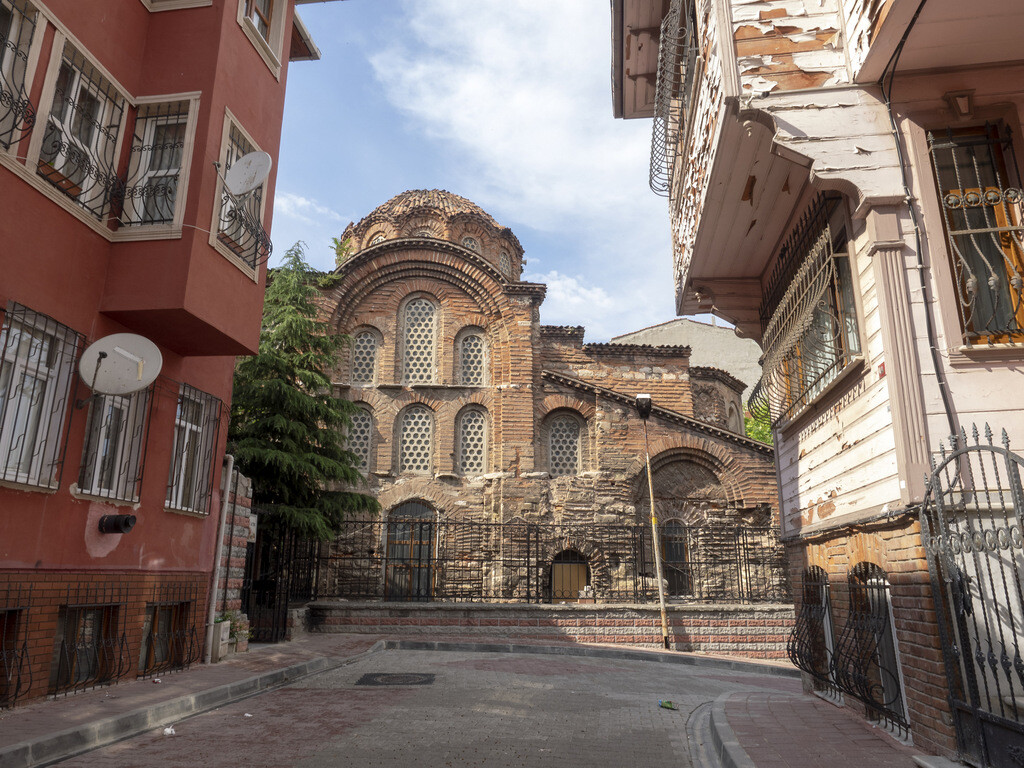
Eski Imaret Mosque, originally known as the Monastery of Christ Pantepoptes, represents the architectural and political transformation of Byzantium during the Komnenian period.
Built in the late 11th century by Anna Dalassene — the mother of Emperor Alexios I Komnenos — the monastery reflects a time when power in the empire was increasingly shaped by influential families rather than traditional aristocratic elites of Constantinople.
The name Pantepoptes, meaning “the All-Seeing,” is closely tied to the building’s location.
Situated on one of the hills overlooking the Golden Horn, the monastery commands a wide view of the surrounding landscape. This elevated position not only defined its symbolic meaning but also gave it a strategic advantage during times of conflict.
Architecturally, the church follows the Middle Byzantine tradition seen in structures such as Lips and Myrelaion. Its scale is modest, and its design emphasizes proportion and structural clarity rather than monumental display. The refined brickwork on the exterior remains one of the most distinctive features of the building.
The monastery is also associated with a dramatic moment in the city’s history.
During the Fourth Crusade in 1204, Emperor Alexios V Doukas is believed to have used this location as a command point to observe the movements of the Crusader fleet in the Golden Horn. From here, the final stages of the city’s defense unfolded.
After the Ottoman conquest, the building was converted into a mosque and became known as the Eski Imaret Mosque — a name that refers to its temporary use as a public kitchen in the early Ottoman period.
Today, the structure stands within the historic Zeyrek district, offering not only architectural insight but also a sense of the city’s layered urban fabric.
10. Church of Hagia Theodosia
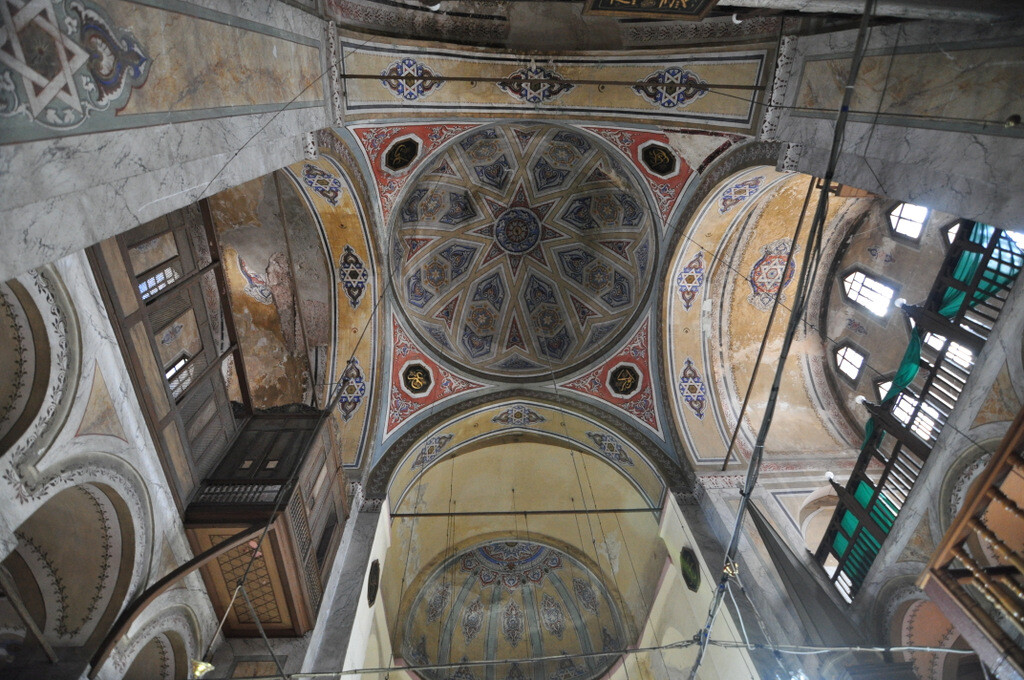
Gül Mosque, originally dedicated to Saint Theodosia, is one of the most atmospheric surviving Byzantine churches in Istanbul, located near the Golden Horn in the Ayakapı district.
Although its exact construction date is uncertain, the building is generally attributed to the late 11th century, during a period when Byzantine architecture had reached a more refined and balanced form. Its tall drum and domed structure continue to define the surrounding neighborhood, preserving the silhouette of a medieval church within the modern city.
The church was dedicated to Saint Theodosia, a figure closely associated with the Iconoclast period.
According to Byzantine tradition, she was martyred in the 8th century for resisting the removal of sacred images, becoming a symbol of devotion during one of the most turbulent theological conflicts in the empire. Over time, the church dedicated to her became an important place of veneration.
The building’s later name — Gül Mosque — is linked to a well-known tradition.
It is said that when Ottoman soldiers entered the city in 1453, the church was decorated with roses for the feast day of Saint Theodosia. This detail, whether historical or symbolic, has remained part of the building’s identity and continues to shape how it is remembered today.
Architecturally, the structure reflects the Middle Byzantine style, with its cross-in-square plan and solid brick construction. Unlike some of the more monumental churches, its character lies in its proportions and presence within the urban fabric rather than in scale.
After the Ottoman conquest, the building was converted into a mosque and has remained in continuous use ever since. Today, it stands slightly off the main tourist routes, offering a quieter and more reflective encounter with the Byzantine past.
11. Monastery of Christ Pantokrator
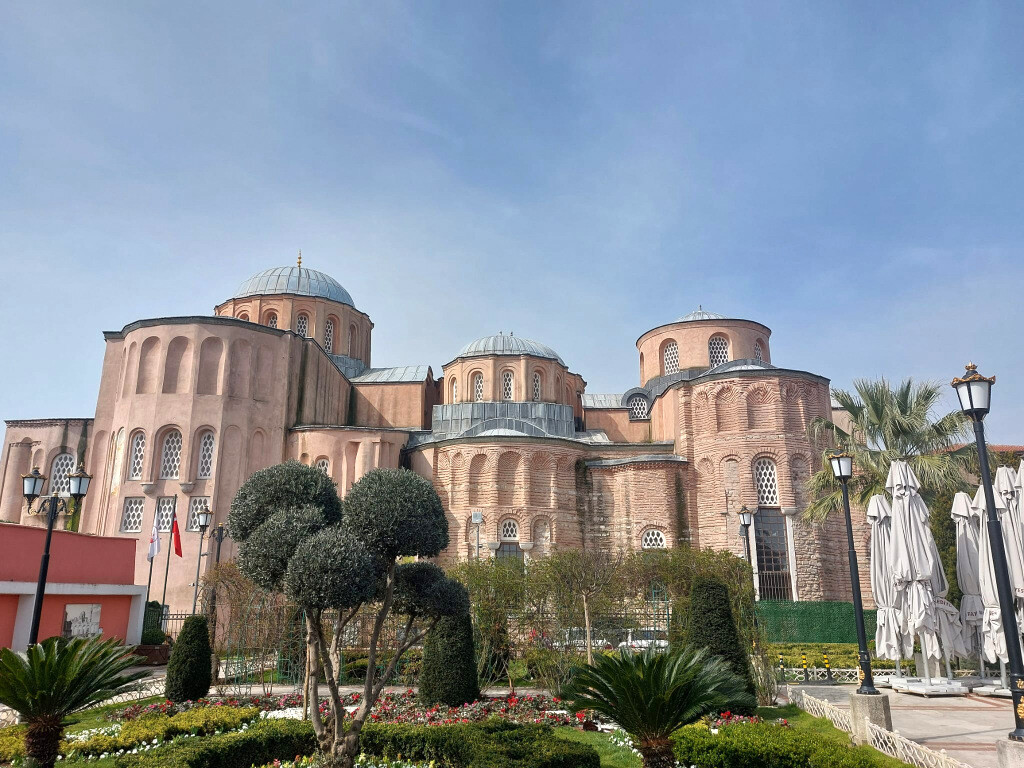
Zeyrek Mosque, originally the Monastery of Christ Pantokrator, was one of the largest and most important religious complexes of late Byzantine Constantinople.
Built in the early 12th century during the reign of Emperor John II Komnenos and Empress Irene, the complex reflects a shift in imperial patronage. Rather than concentrating power around the traditional ceremonial center near Hagia Sophia, the Komnenian dynasty established new monumental foundations across the city.
Pantokrator was one of the most significant of these.
The complex consisted of three interconnected churches: one dedicated to Christ Pantokrator, another to the Virgin Mary, and a central chapel that served as the dynastic burial space. This multi-part structure gives the building its distinctive scale and asymmetrical appearance.
More than a monastery, it functioned as a major institutional center.
Historical sources describe associated facilities including a hospital, charitable services, and accommodation for clergy, making it one of the most advanced religious foundations of its time. Through these functions, the complex became both a spiritual and social hub within the city.
Architecturally, the structure represents the mature phase of Middle Byzantine design. Its layered domes, balanced proportions, and refined brickwork reflect a period when Byzantine architecture had moved beyond earlier experimentation into a more controlled and cohesive style.
The complex also became the burial place of members of the Komnenos dynasty and later Byzantine rulers, reinforcing its role as a center of imperial memory during the final centuries of the empire.
Following the Ottoman conquest, the building was converted into a mosque and became known as the Zeyrek Mosque. Today, it remains one of the most prominent surviving Byzantine monuments in Istanbul, standing on a hill overlooking the Golden Horn.
12. Theotokos Kyriotissa
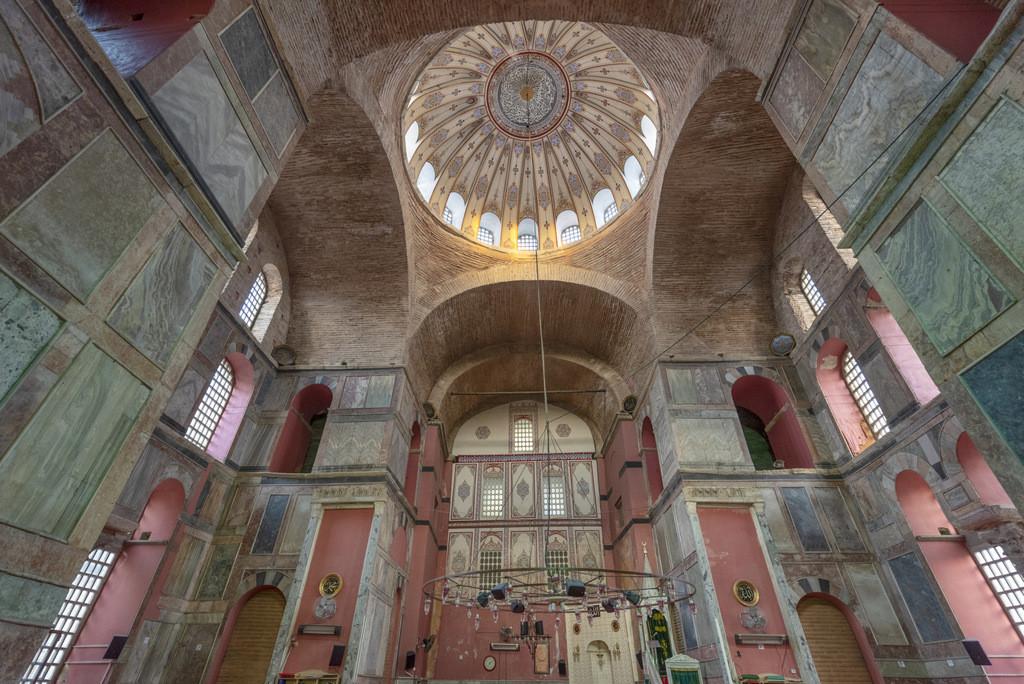
Kalenderhane Mosque is one of the most complex and layered Byzantine structures in Istanbul, reflecting nearly a millennium of architectural transformation.
Rather than being the product of a single period, the building incorporates elements from multiple phases of the city’s history. Archaeological findings indicate that the site was originally occupied by a Roman structure, followed by successive churches built and modified between the 7th and 12th centuries.
The present form of the building largely dates to the late 12th century, during the Komnenian period, when earlier components were integrated into a unified structure. As a result, different architectural elements — including the apse, side spaces, and later additions — reflect distinct moments in Byzantine construction.
This layered composition gives the building a unique character.
It is not a single architectural statement, but a sequence of adaptations over time.
One of the most remarkable chapters in its history occurred during the Latin occupation of Constantinople (1204–1261). During this period, the church was used by Franciscan monks, and parts of the structure were decorated with frescoes depicting scenes from the life of Saint Francis of Assisi — a rare example of Western religious imagery within a Byzantine setting.
Following the Ottoman conquest, the building was converted into a mosque and became known as the Kalenderhane Mosque. The name reflects its later association with dervish communities, adding yet another layer to its historical identity.
Today, the structure stands near the Valens Aqueduct, preserving traces of different civilizations within a single architectural framework.
13. Church of Panagia Mouchliotissa
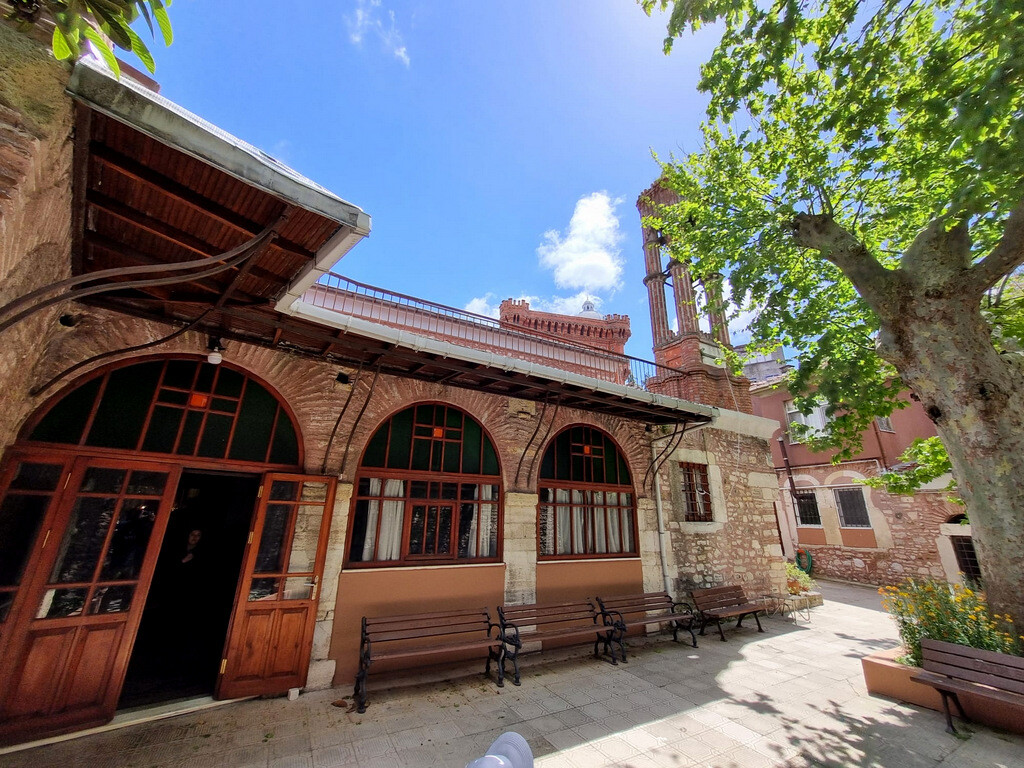
Church of St Mary of the Mongols, also known as Panagia Mouchliotissa, is one of the most unique surviving Byzantine churches in Istanbul.
Built in the late 13th century during the final phase of the Byzantine Empire, the church is associated with Maria Palaiologina, a member of the imperial family whose life reflects the broader diplomatic networks of Constantinople. After being married into the Mongol ruling elite as part of a political alliance, she later returned to the city and established this monastic foundation, where she spent her final years.
Architecturally, the building represents the refined style of the Palaiologan period. Its compact form, domed interior, and carefully articulated brick construction reflect a phase in which Byzantine architecture emphasized balance and proportion over monumentality.
What distinguishes this church, however, is not its scale or decoration.
It is its continuity.
Unlike most Byzantine churches within the city, this building was never converted into a mosque after the Ottoman conquest. According to tradition, an imperial decree granted protection to the church, allowing it to remain in continuous use by the Orthodox community.
This uninterrupted function makes it the only surviving Byzantine church in Istanbul that has preserved its original religious role from the Byzantine period to the present day.
Located on the slopes of the Fener district, the church stands slightly apart from the main urban flow, preserving a quieter and more enclosed atmosphere within its surrounding walls.
14. Pammakaristos Church
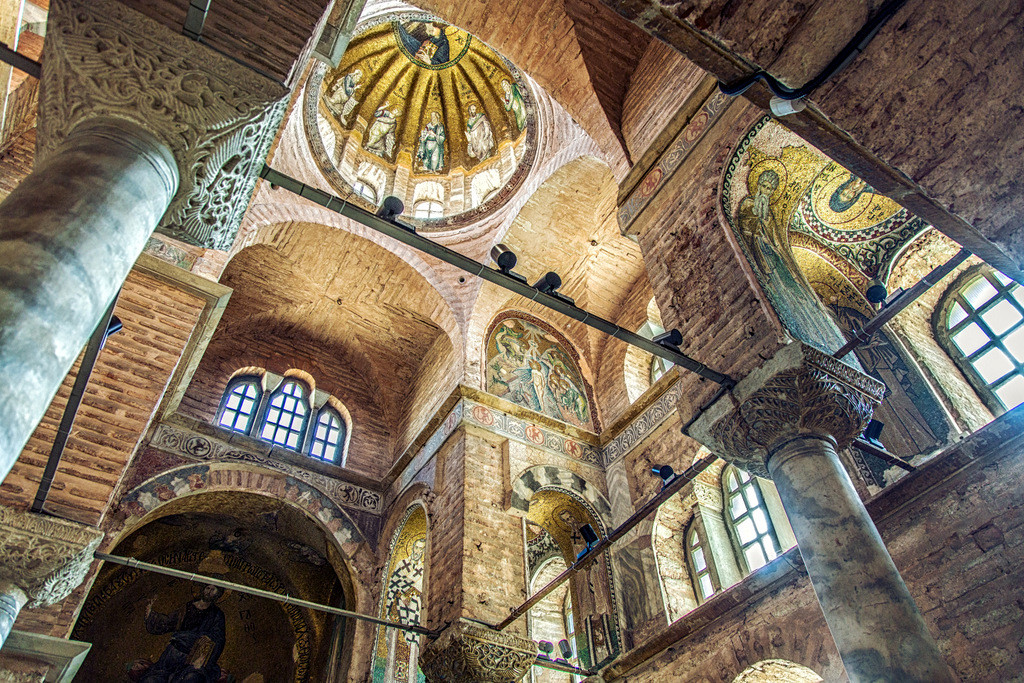
Fethiye Mosque, originally known as the Church of the Theotokos Pammakaristos, was one of the most important religious institutions of late Byzantine Constantinople.
Built between the 11th and 12th centuries and later expanded during the Palaiologan period, the complex reflects the final phase of Byzantine architectural and artistic development. Its elevated position overlooking the Golden Horn placed it within one of the prominent religious districts of the later capital.
The church gained particular importance after the Ottoman conquest.
For more than a century, it served as the seat of the Ecumenical Patriarchate, making it the spiritual center of the Orthodox world during a critical transitional period. This role added a new layer of significance to a building that was already associated with imperial patronage.
Architecturally, the structure combines elements of both Middle and Late Byzantine design. The main church and the southern funerary chapel — known as the parekklesion — form a unified composition, reflecting the more refined and expressive style of the Palaiologan Renaissance.
This chapel once contained some of the finest Byzantine mosaics in Istanbul, representing the artistic revival of the empire’s final centuries.
However, the current visitor experience is limited.
While the main structure functions today as an active mosque, the parekklesion — which houses these mosaics — has been closed for restoration in recent years. As of early 2026, access to this section is still not available.
Even so, the building remains an important reference point for understanding the religious and artistic landscape of late Byzantine Constantinople.
15. Chora Church
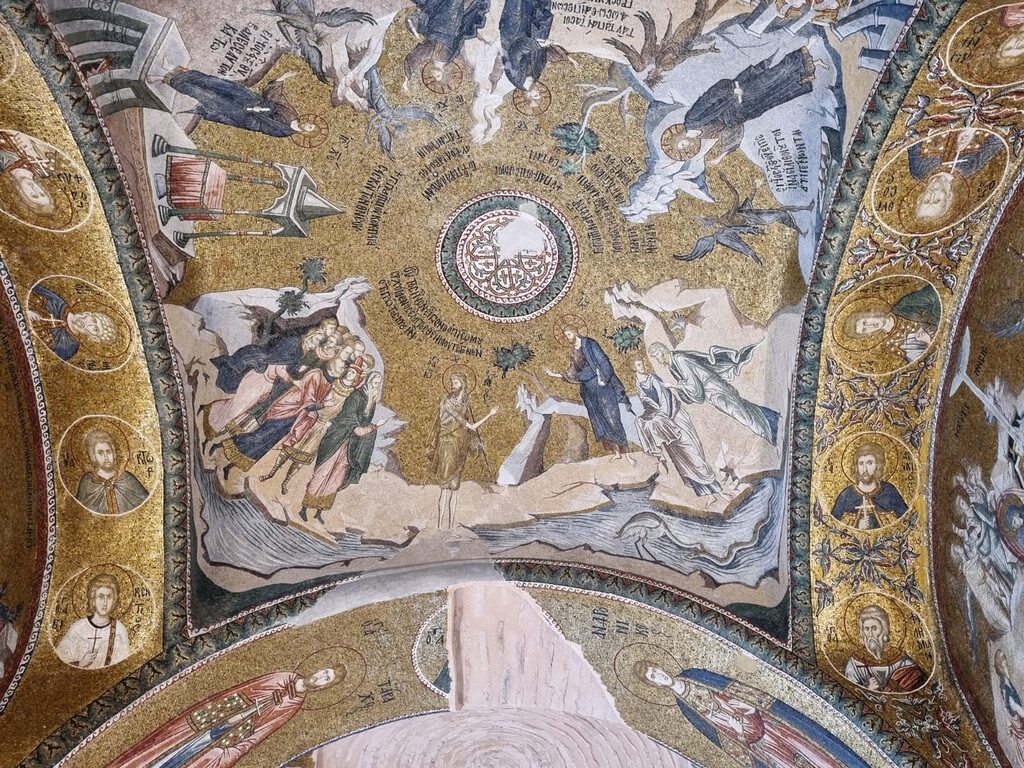
Kariye Mosque, known in Byzantine times as the Church of the Holy Saviour in Chora, preserves one of the most remarkable artistic ensembles of the Byzantine world.
Originally founded outside the early city walls of Constantinople, the monastery later became enclosed within the expanded fortifications built under Theodosius II. Its name, Chora, meaning “in the countryside” or “outside the city,” reflects this earlier setting — a reminder of the landscape that once surrounded the site.
The church reached its artistic peak in the early 14th century.
Under the patronage of Theodore Metochites, a scholar and high-ranking statesman, the building was transformed into a masterpiece of the Palaiologan Renaissance. The interior was decorated with mosaics and frescoes of exceptional narrative complexity, depicting scenes from the lives of Christ and the Virgin Mary with a level of detail and expression rarely matched in Byzantine art.
Unlike the monumental scale of Hagia Sophia, Chora offers a more intimate experience.
Its mosaics unfold as a visual narrative across the inner and outer narthexes, guiding visitors through a carefully constructed theological story. In the funerary chapel, or parekklesion, the frescoes explore themes of death and salvation, culminating in the well-known Anastasis scene — one of the most dynamic representations of resurrection in medieval art.
Following the Ottoman conquest, the building was converted into a mosque and later functioned as a museum for much of the 20th century. After a long period of restoration between 2020 and 2024, it has reopened and now operates again as a mosque.
Today, visitors can still observe its mosaics and frescoes, making it one of the most important sites in Istanbul for understanding the artistic and spiritual world of late Byzantium.
Conclusion
The Byzantine churches of Istanbul are not defined by a single style or period.
They range from monumental imperial foundations to smaller, more intimate structures, reflecting the changing priorities of the city across centuries. Some represent the height of Byzantine power, while others reveal its final artistic and spiritual expressions.
Together, they form a continuous record of transformation.
From early Christian basilicas to domed masterpieces, from imperial mausoleums to neighborhood mosques, these buildings illustrate how Constantinople evolved into Istanbul without losing the physical traces of its past.
Exploring them is not simply about visiting historical sites.
It is about understanding how architecture, religion, and daily life intersected in one of the most complex cities in history.
Byzantine History Tour in Istanbul
My name is Serhat Engul, and I have been working as a licensed tour guide in Istanbul since 2004. One of the most rewarding aspects of my work is guiding visitors through the Byzantine layers of the city.
If this topic interests you, a guided walk can help you connect these monuments into a meaningful historical narrative — rather than experiencing them as isolated sites.

Hello, Serhat: thank you so much for all the information you provide. Congratulations!
I write to you to inquire about the possible whereabouts of a Byzantine church that I find mentioned in a 16th century book I am translating. In it (a romance), the character says that two royal couples (ficcional ones) were jointly married at the church of St Mary the Round in Constantinople.
In case you have ever heard about such a name for a church at the very heart of the city (I suppose that near a royal palace or inside it?) I would be very grateful to get any information. (I have been unable to find any facts about that round church….)
Thank you so much in advance; and, please, do not worry in case you cannot spot the place… Who knows? Maybe the author made it up, but I think that it must have bee a church still standing by the 16th century, when this romance was first written.
Well, enjoy your weekend and thanks once more. Your page is really inspiring and when looking at it, one feels so much like travelling there!!
Hello Beatriz,
First of all, I would like to point out that not all Byzantine churches in Istanbul are available in this article. I tried to choose the most famous ones and the ones closest to my tour routes. For this reason, I may not have included some notable churches.
The church you noted is not familiar to me. But I can only guess from the clues you gave me. I think this church is most likely the Church of St Mary of Blachernae (This link goes to the relevant church’s Wikipedia page).
Roman emperors in Constantinople had lived in the Great Palace (today’s Sultanahmet, in the East of the Historical Peninsula) in the early period. This palace was used roughly between the 4th century and the 11th century. Famous emperors such as Constantine and Justinian lived here.
However, in the late Eastern Roman (Byzantine) period, the emperors lived in the Palace of Blachernae, close to the land walls of Constantinople (Theodosian Walls). The Great Palace was long gone when the Ottomans came, but this other palace was still visible on 16th-century maps.
Very close to the Palace of Blachernae was a 5th century church dedicated to the Virgin Mary. This church was later associated with the Palace of Blachernae, the late royal residence. (The palace was located in the west of the Historic Peninsula and used by the Byzantine emperors between the 11th and 15th centuries)
Thank you for your kind feedback for the site. I hope this information is useful to you. However, I would like to emphasize again that these are just my personal opinions.